The Moon and Sixpence, published in 1919, was one of the novels that galvanized W. Somerset Maugham’s reputation as a literary master. It follows the life of one Charles Strickland, a bourgeois city g
Henry Fleming, a raw Union Army recruit in the American Civil War, is anxious to confirm his patriotism and manhood—to earn his “badge of courage.” But his dreams of heroism and invulnerability are so
Written in 1857, Wonderful Adventures of Mrs Seacole in Many Lands is the autobiography of a Jamaican woman whose fame rivaled Florence Nightingale’s during the Crimean War. Seacole traveled widely be
Sodom and Gomorrah—now in a superb translation by John Sturrock—takes up the theme of homosexual love, male and female, and dwells on how destructive sexual jealousy can be for those who suffer it. Pr
First published in 1869, Lorna Doone is the story of John Ridd, a farmer who finds love amid the religious and social turmoil of seventeenth-century England. He is just a boy when his father is slain
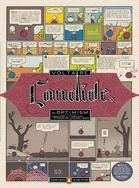
With its vibrant new translation, perceptive introduction, and witty packaging, this new edition of Voltaire’s masterpiece belongs in the hands of every reader pondering our assumptions about human be
In her great historical epic Kristin Lavransdatter, set in fourteenth-century Norway, Nobel laureate Sigrid Undset tells the life story of one passionate and headstrong woman. Painting a richly detai
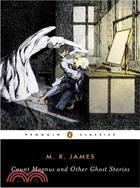
The only annotated edition of M. R. James’s writings currently available, Count Magnus and Other Ghost Stories contains the entire first two volumes of James’s ghost stories, Ghost Stories of an Antiq
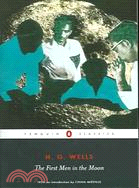
When penniless businessman Mr. Bedford retreats to the Kent coast to write a play, he meets by chance the brilliant Dr. Cavor, an absentminded scientist on the brink of developing a material that bloc
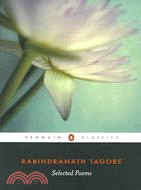
The poems of Rabindranath Tagore are among the most haunting and tender in Indian and world literature, expressing a profound and passionate human yearning. His ceaselessly inventive works deal with s
The earliest of the four Hindu religious scriptures known as the Vedas, and the first extensive composition to survive in any Indo-European language, The Rig Veda (c. 1200–900 bc) is a collection of m
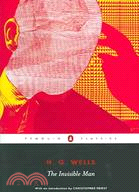
With his face swaddled in bandages, his eyes hidden behind dark glasses, and his hands covered even indoors, Griffin—the new guest at the Coach and Horses—is at first assumed to be a shy accident vict
Set against the aftermath of the 1745 Jacobite Rebellion, the gripping drama of Kidnapped—originally published in 1886—takes readers to the danger and intrigue of a Scotland sundered by revolution. Th
Immediately popular when it first appeared around 1356, The Travels of Sir John Mandeville became the standard account of the East for several centuries—a work that went on to influence luminaries as
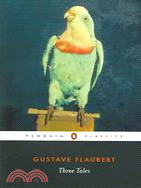
First published in 1877, these three stories are dominated by questions of doubt, love, loneliness, and religious experience—together they confirm Flaubert as a master of the short story. “A Simple He
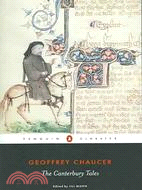
One of the greatest and most ambitious works in English literature, The Canterbury Tales depicts a storytelling competition between pilgrims drawn from all ranks of society. The tales are as various
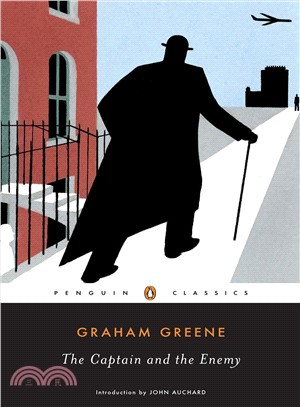
Victor Baxter is a young boy when a secretive stranger known simply as “the Captain” brings him from his boarding school to London. Victor becomes the surrogate son and companion of a woman named Liza
This revolutionary collection abandons the traditional poet-by-poet approach of most anthologies, presenting seven centuries of English verse as an uninterrupted sequence of poems ordered according to
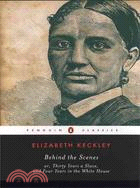
Originally published in 1868—when it was attacked as an “indecent book” authored by a “traitorous eavesdropper”—Behind the Scenes is the story of Elizabeth Keckley, who began her life as a slave and b
At the age of seventy, after a gap of twenty years, Jorge Luis Borges returned to writing short stories. In Brodie’s Report, he returned also to the style of his earlier years with its brutal realism,
A hundred and thirty years after it was first published, Sarah Orne Jewett’s story of a young medical woman remains an incisive rendering of the dilemmas of gender, society, and self. Nan Prince first
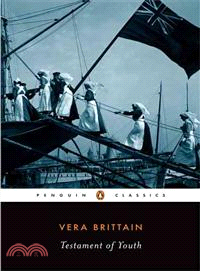
Much of what we know and feel about the First World War we owe to Vera Brittain’s elegiac yet unsparing book, which set a standard for memoirists from Martha Gellhorn to Lillian Hellman. Abandoning he
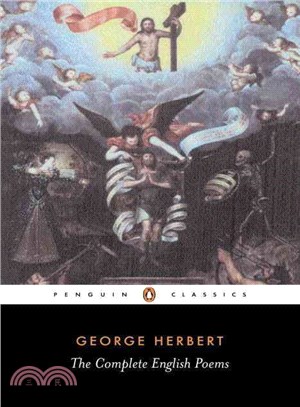
George Herbert combined the intellectual and the spiritual, the humble and the divine, to create some of the most moving devotional poetry in the English language. His deceptively simple verse uses t
Presented as a miraculous cure-all, Tono-Bungay is in fact nothing other than a pleasant-tasting liquid with no positive effects. Nonetheless, when the young George Ponderevo is employed by his uncle
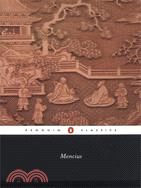
Mencius was the philosopher whose influence upon ancient Chinese thought was second only to that of Confucius, whose teachings Mencius defended and expanded. The Mencius, in which he recounts his dial
In The Laws, Plato describes in fascinating detail a comprehensive system of legislation in a small agricultural utopia he named Magnesia. His laws not only govern crime and punishment but also form a
Ezra Pound makes his Penguin Classics debut with this unique selection of his early poems and prose, edited with an introductory essay and notes by Pound expert Ira Nadel. The poetry includes such ear
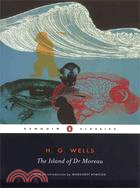
Adrift in a dinghy, Edward Prendick, the single survivor from the good ship Lady Vain, is rescued by a vessel carrying an unusual cargo—a menagerie of savage animals. Nursed to recovery by their keepe
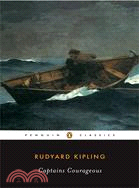
First published in 1897, Captains Courageous tells of the high-seas adventures of Harvey Cheyne, the son of an American millionaire, who, after falling from a luxury ocean liner, is rescued by the rau
After the relative intimacy of the first two volumes of In Search of Lost Time, The Guermantes Way opens up a vast, dazzling landscape of fashionable Parisian life in the late nineteenth century, as t
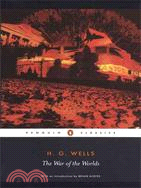
Famous for the mistaken panic that ensued from Orson WellesA's 1938 radio dramatization, The War of the Worlds remains one of the most influential of all science fiction works. The night after a shoo
Published in 1912, when Anatole France was sixty-eight, The Gods Will Have Blood is the story of Gamelin, an idealistic young artist appointed as a magistrate during the French Revolution. Gamelin's i
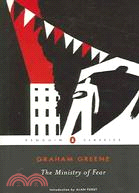
For Arthur Rowe, the trip to the charity fete was a joyful step back into adolescence, a chance to forget the nightmare of the blitz—and the aching guilt of having mercifully murdered his sick wife. H
Egil's Saga tells the story of the long and brutal life of the tenth-century warrior-poet and farmer Egil Skallagrimsson: a psychologically ambiguous character who was at once the composer of intricat
Graham Greene’s first published novel represented for the author “one sentimental gesture towards his own past, the period of ambition and hope.” It tells the story of Andrews, a young man who has bet
In 1855 Walt Whitman published Leaves of Grass, the work that defined him as one of America’s most influential voices and that he added to throughout his life. A collection of astonishing originality
Byron’s exuberant masterpiece tells of the adventures of Don Juan, beginning with his illicit love affair at the age of sixteen in his native Spain and his subsequent exile to Italy. Following a drama
This complete collection of Moore’s poetry, lovingly edited by prize-winning poet Grace Schulman, for the first time gathers together all of Moore’s poems, including more than a hundred that were prev
One of the most enduringly popular of the Romantic poets, William Wordsworth epitomized the spirit of his age with his celebration of the natural world and his belief in the importance of feeling. Thi
Today, nearly forty years after his death, Nobel Prize winner John Steinbeck remains one of America’s greatest writers and cultural figures. Over the next year, his many works published as black-spine