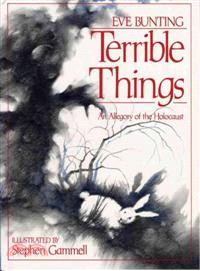
In this allegory, the author's reaction to the Holocaust, the animals of the forest are carried away, one type after another, by the Terrible Things, not realizing that if perhaps they would all stick
Thinking Big Data in Geography offers a practical state-of-the-field overview of big data as both a means and an object of research, with essays from prominent and emerging scholars such as Rob K
Independent scholar Robertson discusses the effects of smallpox on the American Indians, beginning with the introduction of the disease to the New World by Spanish conquistadors and continuing through
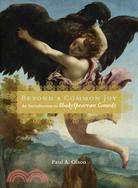
Like the best tragic or epic writers, Shakespeare in his comedies goes beyond private and domestic matters in order to draw on the whole of the commonwealth. He examines how a ruler's or a court's com
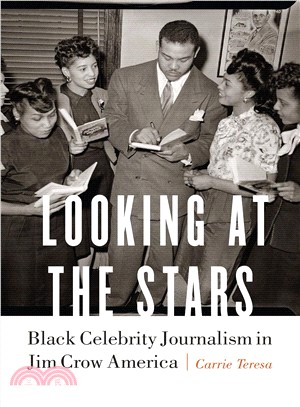
As early as 1900, when moving-picture and recording technologies began to bolster entertainment-based leisure markets, journalists catapulted entertainers to godlike status, heralding their
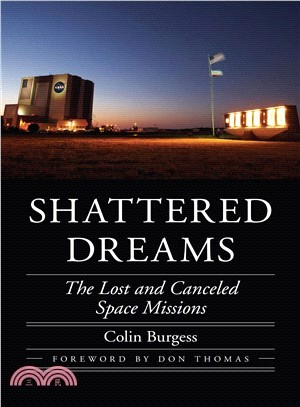
Shattered Dreams delves into the personal stories and recollections of several men and women who were in line to fly a specific or future space mission but lost that opportunity due to personal reason
In Walking to Magdalena, Seth Schermerhorn explores a question that is central to the interface of religious studies and Native American and indigenous studies: What have Native peoples made of Christ
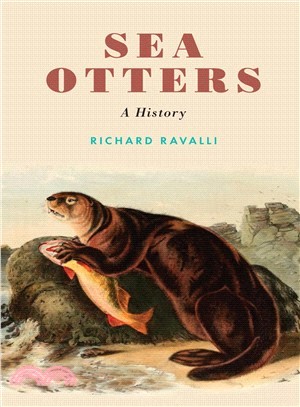
More than any other nonhuman species, it was the sea otter that defined the world’s largest oceanscape prior to the California gold rush. In addition to the more conventional aspects of the sea
Standing Up to Colonial Power focuses on the lives, activism, and intellectual contributions of Henry Cloud (1884–1950), a Ho-Chunk, and Elizabeth Bender Cloud (1887–1965), an Ojibwe, both
Scholars of ecocriticism have long tried to articulate emotional relationships to environments. Only recently, however, have they begun to draw on the complex interdisciplinary body of research known
Published through the Recovering Languages and Literacies of the Americas initiative, supported by the Andrew W. Mellon Foundation The Omaha Language and the Omaha Way provides a comprehens
In his day Walter Wellman (1858–1934) was one of America’s most famous men. To his contemporaries, he seemed like a character from a Jules Verne novel. He led five expeditions in search of
Mussolini’s Children uses the lens of state-mandated youth culture to analyze the evolution of official racism in Fascist Italy. Between 1922 and 1940, educational institutions designed to mold the mi
Japan’s official surrender to the United States in 1945 brought to an end one of the most bitter and brutal military conflicts of the twentieth century. U.S. government officials then faced
In Topoi/Graphein Christian Abrahamsson maps the paradoxical limit of the in-between to reveal that to be human is to know how to live with the difference between the known and the unknown.
Growing up in a tiny shack in the Dominican Republic, Felipe Alou never dreamed he would be the first man to go from his country to play and manage in Major League Baseball—and also the first to
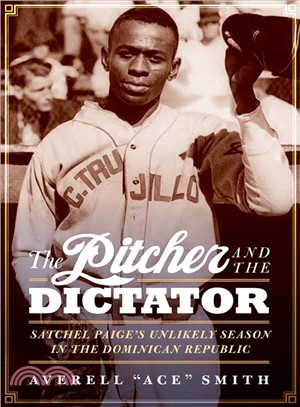
Soon after Satchel Paige arrived at spring training in 1937 to pitch for the Pittsburgh Crawfords, he and five of his teammates, including Josh Gibson and Cool Papa Bell, were lured to the Dominican R
Situational Identities along the Raiding Frontier of Colonial New Mexico examines pluralistic communities that navigated between colonial and indigenous practices to negotiate strategic alliances with
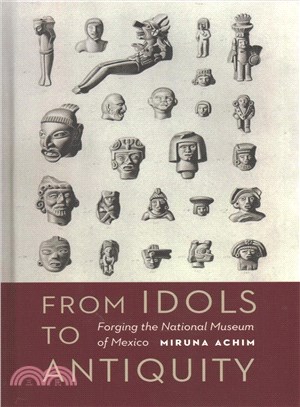
From Idols to Antiquity explores the origins and tumultuous development of the National Museum of Mexico and the complicated histories of Mexican antiquities during the first half of the nineteenth ce
Hockey has had its share of bizarre tales over the years, but none compares to the fascinating story of the California Golden Seals, a team that remains the benchmark for how not to run a sports franc
In Perishing Heathens Julius H. Rubin tells the stories of missionary men and women who between 1800 and 1830 responded to the call to save Native peoples through missions, especially the Osages in th
The popularity and globalization of sport have led to an ever-increasing migration of black athletes from the global South to the United States and Western Europe. While the hegemonic ideology surroun
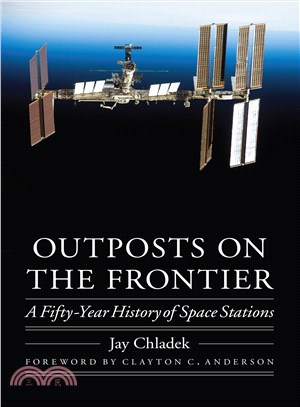
The International Space Station (ISS) is the largest man-made structure to orbit Earth and has been conducting research for close to a decade and a half. Yet it is only the latest in a long line of sp
Baseball, like the rest of the country, changed dramatically when the United States entered World War I, and Jim Leeke brings these changes to life in From the Dugouts to the Trenches. He deftly descr
No visitor to Mexico can fail to recognize the omnipresence of street vendors, selling products ranging from fruits and vegetables to prepared food and clothes. The vendors comprise a large part of th
Emily Dickinson’s poem “Split the Lark” refers to the “scarlet experiment” by which scientists destroy a bird in order to learn more about it. Indeed, humans have killed hundreds of millions of birds—
The game of golf has been witness to dramatic change since the early 1980s. Technology has relegated polished wooden drivers and wound balls covered with balata to the dustbin of history. The world’s
To Come to a Better Understanding analyzes the cultural encounters of the medicine men and clergy meetings held on Rosebud Reservation in St. Francis, South Dakota, from 1973 through 1978. Organized b
In 1954 the U.S. Air Force launched an ambitious program known as WS-117L to develop the world’s first reconnaissance satellite. The goal was to take photographic images from space and relay them back
From major league baseball’s inception in the 1880s through World War II, team owners enjoyed monopolistic control of the industry. Despite the players’ desire to form a viable union, every attempt to
A follow-up to Patrick Madden’s award-winning debut, this introspective and exuberant collection of essays is wide-ranging and wild, following bifurcating paths of thought to surprising connections. I
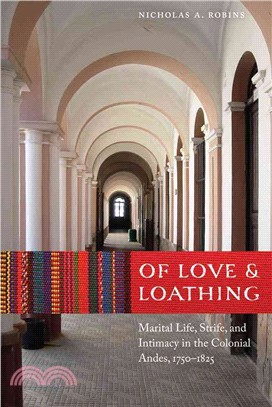
Policies concerning marriage, morality, and intimacy were central to the efforts of the Spanish monarchy to maintain social control in colonial Charcas. The Bourbon Crown depended on the patriarchal,
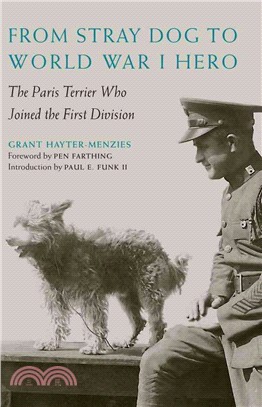
On the streets of Paris one day in July 1918, an American doughboy, Sgt. Jimmy Donovan, befriended a stray dog that he named Rags. No longer an unwanted street mutt, Rags became the mascot to the enti
American history is ubiquitous, underscoring everything from food to travel to architecture and design. It is also emotionally charged, frequently crossing paths with political and legal issues. InRem
The history of modern Israel is a story of ambition, violence, and survival.Return to Zion traces how a scattered and stateless people reconstituted themselves in their traditional homeland, only to f
What is it that dogs have done to earn the title of “man’s best friend”? And more broadly, how have all of our furry, feathered, and four-legged brethren managed to enrich our lives? Why do we love th
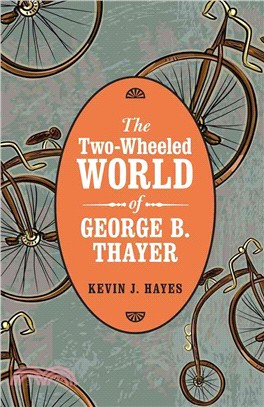
Cyclotourism has recently risen to prominence with growing national media coverage and thousands of participants taking to America’s roadways on two wheels and under their own pedal power.But the conc
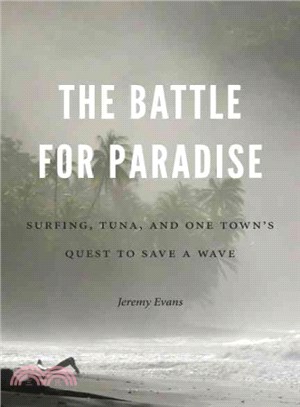
Pavones, a town located on the southern tip of Costa Rica, is a haven for surfers, expatriates, and fishermen seeking a place to start over. Located on the Golfo Dulce (Sweet Gulf), a marine sanctuary
Environmentalists and the timber industry do not often collaborate, but in the years immediately following gray wolf reintroduction in the interior American West, a plan to reintroduce grizzly bears t
What’s it like to travel at more than 850 MPH, riding in a supersonic T-38 twin turbojet engine airplane? What happens when the space station toilet breaks? How do astronauts “take out the trash” on a