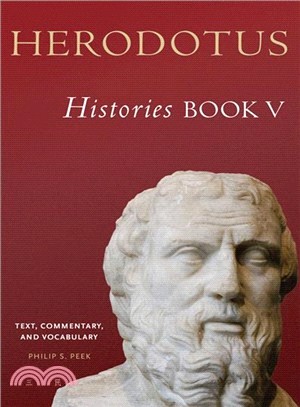
History begins with Herodotus (485–425 b.c.e.). Born in Halikarnassos, a gateway between the Greek and Persian worlds, Herodotus in his Histories narrates the great historical struggle between t
The Cherokees have the oldest and best-known Native American writing system in the United States. Invented by Sequoyah and made public in 1821, it was rapidly adopted, leading to nineteenth-century Ch
Designed for intermediate-level students, this textbook presents an outline of the essential forms and syntax of ancient Attic Greek. A perfect supplement to Louise Pratt’s Eros at the Banquet, it als
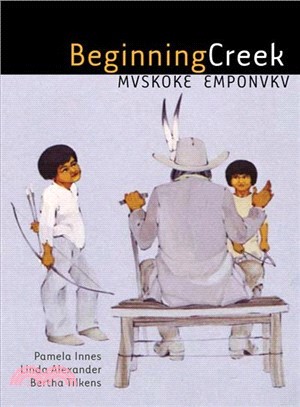
Beginning Creek provides a basic introduction to the language and culture of the Mvskoke-speaking peoples, Muskogee (Creek) and Seminole Indians. Written by linguistic anthropologist Pamela Innes and
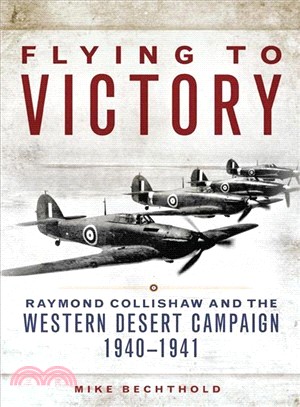
Canadian-born flying ace Raymond Collishaw (1893–1976) served in Britain’s air forces for twenty-eight years. As a pilot in World War I he was credited with sixty-one confirmed kills on the Western Fr
When asked in an interview what he most liked about rodeo, three-time world champion saddle-bronc rider “Cody” Bill Smith said simply, “Horses that buck.” Smith redefined the image of America’s iconic
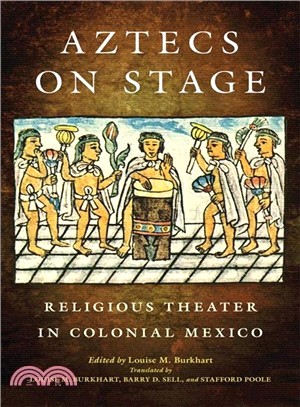
The Mexica (Aztecs) used a solar calendar made up of eighteen months, with each month dedicated to a specific god in their pantheon and celebrated with a different set of rituals. Panquetzaliztli, the
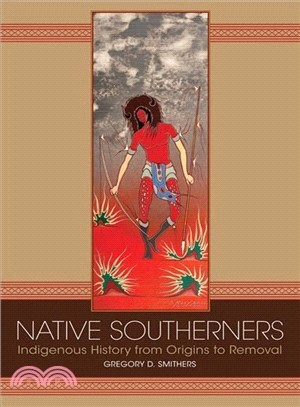
Long before the indigenous people of southeastern North America first encountered Europeans and Africans, they established communities with clear social and political hierarchies and rich cultural tra
At its dawn in the early twentieth century, the new technology of aviation posed a crucial question to American and British cavalry: what do we do with the airplane? Lacking the hindsight of historica
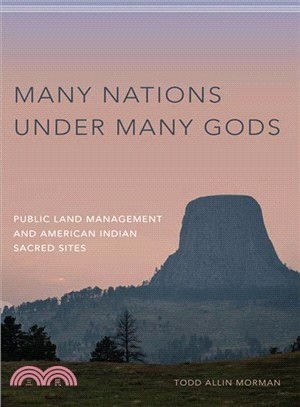
The lands the United States claims sovereignty over by right of the Doctrine of Discovery are home to more than five hundred Indian nations, each with its own distinct culture, religion, language, and
What happened to indigenous life after contact with the Spanish? In the complex interaction of cultures, how and to what degree did traditional ways persist? What role did religion play?Sustaining the
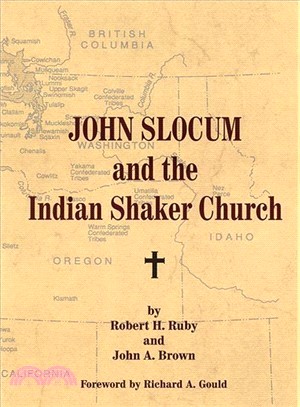
This detailed, well-documented history describes the life of the Squaxin spiritual leader John Slocum and the growth in the Pacific Northwest of his Indian Shaker Church (not to be confused with easte
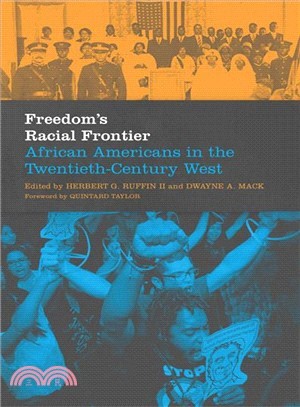
Between 1940 and 2010, the black population of the American West grew from 710,400 to 7 million. With that explosive growth has come a burgeoning interest in the history of the African American West&m
Between 1940 and 2010, the black population of the American West grew from 710,400 to 7 million. With that explosive growth has come a burgeoning interest in the history of the African American West&m
Beautifully illustrated with color photographs, maps, graphs, and tables, the Oklahoma Winter Bird Atlas offers ornithologists and amateur birders alike a wealth of easy-to-read information about the
Beautifully illustrated with color photographs, maps, graphs, and tables, the Oklahoma Winter Bird Atlas offers ornithologists and amateur birders alike a wealth of easy-to-read information about the
For American Indians, tribal politics are paramount. They determine the standards for tribal enrollment, guide negotiations with outside governments, and help set collective economic and cultural goal
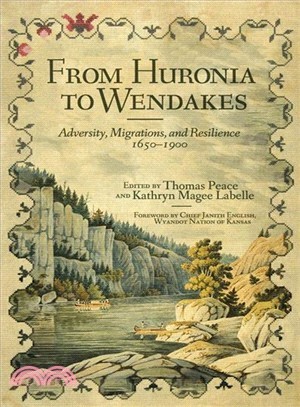
From the first contact with Europeans to the French and Indian War, the American Revolution, and the War of 1812, the Wendat peoples have been an intrinsic part of North American history. Although the
The tiny state of Colima on Mexico’s Pacific coast is one of the three most biodiverse hot spots in the world. Straddling temperate and tropical zones, with rugged topography ranging from a volcanic m
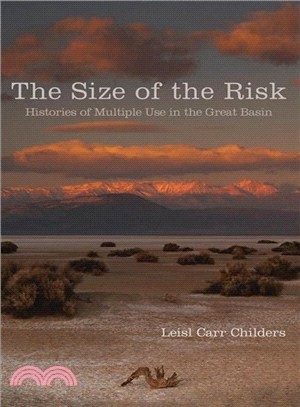
The Great Basin, a stark and beautiful desert filled with sagebrush seas and mountain ranges, is ground zero for public lands conflicts. Arising out of the multiple, often incompatible uses created th
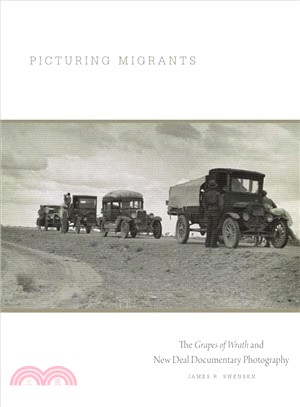
As time passes, personal memories of the Great Depression die with those who lived through the desperate 1930s. In the absence of firsthand knowledge, John Steinbeck’sThe Grapes of Wrath and the photo
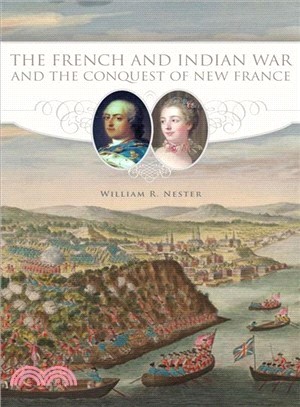
The French and Indian War was the world’s first truly global conflict. When the French lost to the British in 1763, they lost their North American empire along with most of their colonies in the Carib
Loren Miller was one of the nation’s most prominent civil rights attorneys from the 1940s through the early 1960s, particularly in the fields of housing and education. With co-counsel Thurgood Marshal
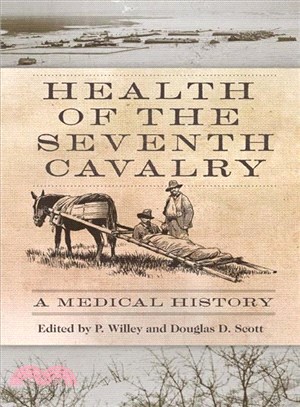
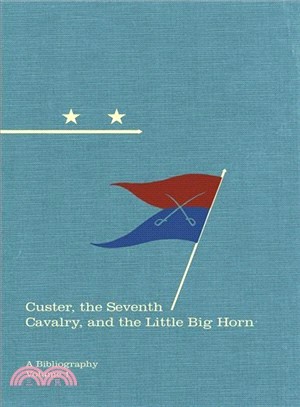
With its charismatic leader George Custer and its memorable encounters with Plains Indians, including the Battle of the Little Bighorn, the Seventh Cavalry serves as the iconic regiment in the post–Ci
Revealing how the recitation and interpretation of these captivity narratives changed over time—with shifting emphasis on brutality, gender, and ethnographic and historical accuracy—AmericansRecapture
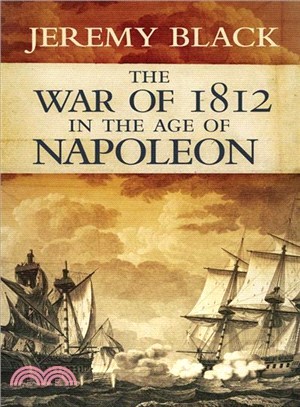
The War of 1812 is etched into American memory with the burning of the Capitol and the White House by British forces, The Star-Spangled Banner, and the decisive naval battle of New Orleans. Now a resp
The Rapid City Indian School, 1898-1933 offers a new perspective on the complexities of American Indian interactions with a BIA boarding school. It shows how parents and students made the best of thei
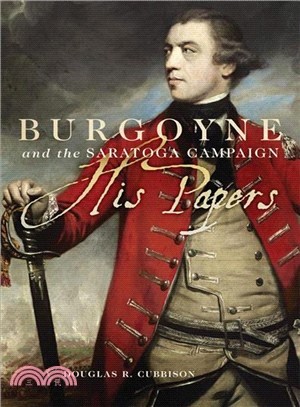
In Burgoyne and the Saratoga Campaign, Douglas R. Cubbison presents the papers that Burgoyne gathered preparatory to his appearance before Parliament, together with Cubbison’s own interpretive narrati
In Chikasha Stories, Volume One: Shared Spirit, Chickasaw storyteller and tribal elder Glenda Galvan first shared some of her favorite stories with the world. Each story is illuminated with original i
Since the shocking news first broke in 1876 of the Seventh Cavalry’s disastrous defeat at the Little Big Horn, fascination with the battle—and with Lieutenant George Armstrong Custer—has never ceased.
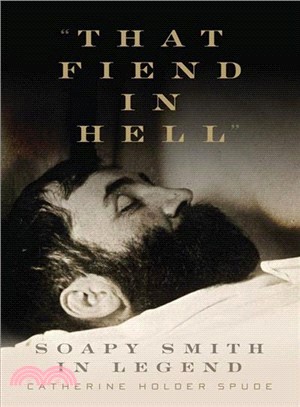
As the Klondike gold rush peaked in spring 1898, adventurers and gamblers rubbed shoulders with town-builders and gold-panners in Skagway, Alaska. The flow of riches lured confidence men, too—among th
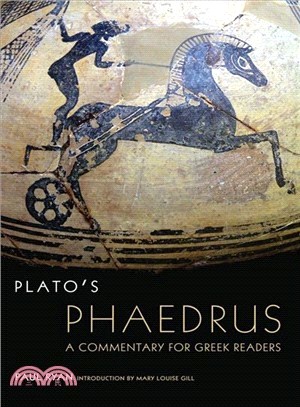
Composed in the fourth century b.c., the Phaedrus—a dialogue between Phaedrus and Socrates—deals ostensibly with love but develops into a wide-ranging discussion of such subjects as the pursuit of bea
Now shrouded in Guatemalan jungle, the ancient Maya city of Piedras Negras flourished between the sixth and ninth centuries, when its rulers erected monumental limestone sculptures carved with hierogl
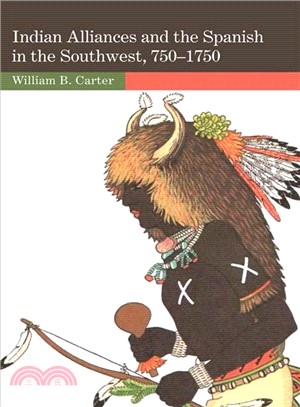
For his study of the interaction between the early Spanish conquerors and the Athapaskan and Puebloan Indians of the Southwest, Carter (history, South Texas College, McAllen) begins with the first set
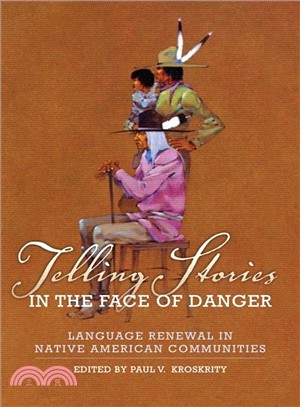
Stories are important in all human societies, and especially in those whose languages are threatened with extinction. The contributors to this volume, all linguists and linguistic anthropologists conc
Intended as an introductory text for students, this collection of the writings of Catullus provides readers with the complete Latin texts along with analysis and notes. Beginning with study suggestion
It has become tradition for Chickasaw governor Bill Anoatubby to open his public addresses with a tribute to the unconquered and unconquerable warriors and to the dynamic women of the Chickasaw Nation
Nahuatl drama, one of the most surprising results of the Catholic presence in colonial Mexico, merges medieval European religious theater with the language and performance traditions of the Aztec (Nah
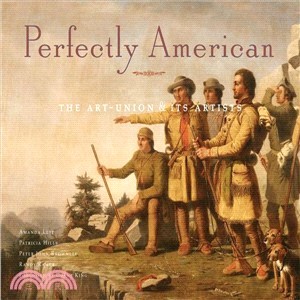
The American Art-Union, based in New York City, was founded in 1844 with the goal of fostering the arts in America through education and publication. Modeled after European organizations, the American
Examines the Native American struggle for equal voting rights, the prevelance of discriminatory practices and noncompliance with the Voting Rights Act, and contemporary voting rights litigation in sev