Storytelling is an essential tool for reporting and illuminating the cultural contexts of health: the practices and behavior that groups of people share and that are defined by customs, language and g
Intersectoral collaboration between the health and the social welfare, education or labor sectors can help to influence the social determinants of health. Funding such collaboration can be difficult a
The number of female migrants of childbearing age is rapidly increasing, which entails specific needs for maternal health services. Through a systematic review of the academic literature and a critica
This report describes the development of and emerging trends in electronic health (e-health) in the WHO European Region in 2016. Its content and key messages are based on data collected from the 2015
This report represents the conclusions of a Joint FAO/WHO Expert Committee convened to evaluate the safety of residues of certain veterinary drugs in food and to recommend maximum levels for such resi
No two markets for voluntary health insurance (VHI) are identical. All differ in some way because they are heavily shaped by the nature and performance of publicly financed health systems and by the c
This report identifies the current issues, challenges and opportunities in low-resource settings regarding the production and lifecycle of medical devices. It builds on the findings from phase I, whic
The objective of the compendium series of innovative medical devices, assistive devices and eHealth solutions is to provide a neutral platform for technologies which are likely to be suitable for use
This volume of the IARC Monographs provides evaluations of the carcinogenicity of polychlorinated biphenyls and polybrominated biphenyls.Polychlorinated biphenyls are a class of aromatic compounds com
This volume of the IARC Monographs provides an assessment of the carcinogenicity of 14 drugs and herbal products.The IARC Monographs Working Group relied mainly on epidemiological studies to evaluate
This volume of the IARC Monographs series provides an evaluation of the carcinogenicity of outdoor air pollution.Outdoor air pollution is a complex mixture of pollutants originating from natural and a
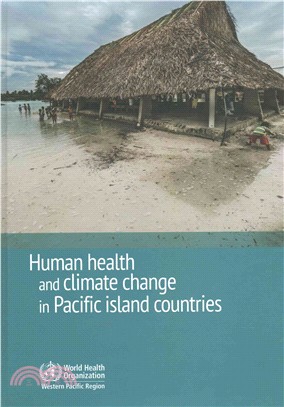
Climate change in the Pacific is threatening the health of Pacific islanders, as well as economic and social development. Extreme weather events, especially cyclones, floods and droughts, are displaci
This report presents the recommendations of a WHO Expert Committee commissioned to coordinate activities leading to the adoption of international recommendations for the production and control of vacc
This study provides an approximate estimate of how much disease can be prevented by reducing the environmental risks to health. It includes a meta-synthesis of key evidence relating diseases and injur
APSED is a strategic framework for building sustainable national and regional capacities and partnerships in the Asia Pacific Region to ensure public health security and to detect, prepare for and res
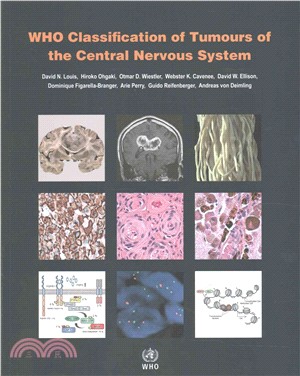
WHO Classification of Tumours of the Central Nervous System is the revised fourth edition of the WHO series on histological and genetic typing of human tumors. This authoritative, concise reference bo
This first WHO Global report on diabetes underscores the enormous scale of the diabetes problem, and also the potential to reverse current trends. The political basis for concerted action to address d
This report represents the conclusions of a Joint FAO/WHO Expert Committee convened to evaluate the safety of various food additives and contaminants and to prepare specifications for identity and pur
In the face of recent pandemic threats (severe acute respiratory syndrome (SARS) avian influenza A H5N1pandemic influenza A H1N1 and the 2014 Ebola virus disease outbreak) and disasters in general deb
This publication documents the experiences of participatory approaches for development and better health taken by Region Skåne (Sweden) and three other regions, described in case studies: the Autonomo
Food is a central component of life in correctional institutions and plays a critical role in the physical and mental health of incarcerated people and the construction of prisoners' identities and re
This guide enables effective planning and implementation of proactive communication actions to promote understanding of the importance of vaccines in preventing illness and preventable deaths, and rai
Globally, one third of births and two thirds of deaths are not registered. A well-functioning Civil Registration and Vital Statistics (CRVS) system is crucial for the continuous and universal recordin
This report provides a comprehensive and up-to-date assessment of the TB epidemic and progress in implementing and financing TB prevention, care and control at global, regional and country levels usin
This report aims to describe global health in 2015, looking back 15 years at the trends and positive forces during the MDG era and assessing the main challenges for the coming 15 years. The following
The goal of the present guideline is to consolidate guidance for effective interventions that are needed to reduce the global burden of maternal infections and its complications around the time of chi
This book provides an evaluation of measures to reduce exposure to highly toxic and carcinogenic contaminants in staple diets in Africa as well as parts of Asia and Latin America. The International Ag
This document presents the World Health Organization (WHO) Operational framework for building climate resilient health systems. The framework responds to the demand from Member States and partners for
This publication, jointly prepared by WHO, the United Nations Children's Fund (UNICEF) and the United States Agency for International Development (USAID), summarizes the current evidence on the benefi
The Framework for a Public Health Emergency Operations Centre (PHEOC framework) document is intended to be used by practitioners of public health; health policy makers; and authorities and agencies re
The Global Antimicrobial Resistance Surveillance System (GLASS) is being developed to support the Global Action Plan on Antimicrobial Resistance and should be coordinated within the national action pl
Undocumented migrants are people within a country without the necessary documents and permits. They are considered at higher risk for health problems because of their irregular status and the conseque
The WHO Regional Office for Europe convened the first expert group on the cultural contexts of health and well-being in January 2015. When adopting Health 2020, the European policy for health and well
Labor migrants are those who are seeking work or are employed in the host country plus those who were previously employed but are no longer working and remain in the host country irrespective of their
The Health Systems in Transition (HiT) profiles are country-based reports that provide a detailed description of a health system and of reform and policy initiatives in progress or under development i
In a folder, no binding, 12 heavily laminated pages (each two-sided), present information for laboratory and field workers responsible for diagnosing malaria by Giemsa microscopy. The pages feature te
The rules and provisions of the World Trade Organization (WTO) Agreements place many challenges and demands upon those countries that are WTO members, or intend to become so and plan to develop regula
The Cancer in Sub-Saharan Africa volume brings together population-based cancer incidence data from 25 cancer registries in 20 sub-Saharan African countries that are part of the African Cancer Registr
The WHO Classification of Skin Tumours is the 11th volume in the 4th edition of the WHO series on the classification of human tumours. The series (also known as the Blue Books) has long been regarded
What are public health services? Countries across Europe understand what they are, or what they should include, differently. This study describes the experiences of nine countries, detailing the ways