180 Days of Science is a fun and effective daily practice workbook designed to help students explore the three strands of science: life, physical, and earth and space. This easy-to-use prekindergarten workbook is great for at-home learning or in the classroom.此系列共8冊:180 Days of Science for Prekindergarten180 Days of Science for Kindergarten180 Days of Science for First Grade180 Days of Science for Second Grade180 Days of Science for Third Grade180 Days of Science for Fourth Grade180 Days of Science for Fifth Grade180 Days of Science for Sixth Grade
Wellness is rapidly becoming an issue of great importance in clinical practice. Wellness-centric clinicians look to improve various traits known to be beneficial to patients-traits such as happiness,
An exploration of the scientific mindset—such character virtues as curiosity, veracity, attentiveness, and humility to evidence—and its importance for science, democracy, and human flourishing.Exempla
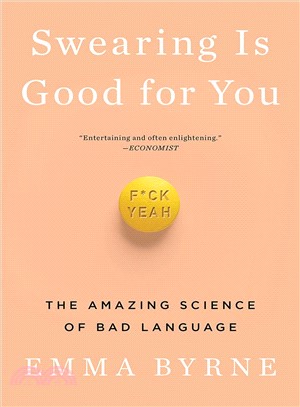
We’re often told that swearing is outrageous or even offensive, that it’s a sign of a stunted vocabulary or a limited intellect. Dictionaries have traditionally omitted it and parents forbid it. But t
This handy visual dictionary covers the key topics in the core STEM subjects of biology, chemistry, and physics. The A-Z of Science brings the unique and popular Basher illustrative approach of captur
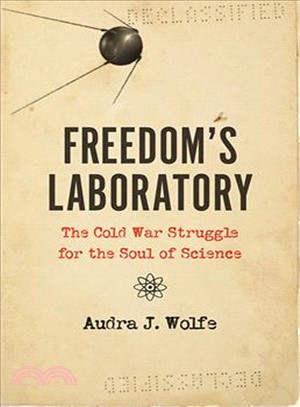
Scientists like to proclaim that science knows no borders. Scientific researchers follow the evidence where it leads, their conclusions free of prejudice or ideology. But is that really the case? In F
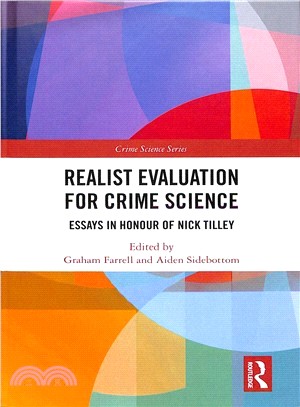
This collection of essays, published to mark the 20th anniversary of Realistic Evaluation, celebrates the work of Professor Nick Tilley and his significant influence on the fields of policing, crime r
APPLY THE SCIENCE OF MOTIVATION TO YOUR LIFE AND YOUR DREAMS WILL BECOME YOUR REALITYThe legendary college football coach and analyst, Lou Holtz once said: “When all is said and done, more is said tha
A novelist and a neuroscientist uncover the secrets of human memory. What makes us remember? Why do we forget? And what, exactly, is a memory?With playfulness and intelligence, Diving for Seahorses an
Wicked Philosophy provides an overview of the philosophy of the natural sciences, the social sciences and humanities, and explores how insights from these three domains can be integrated to help find
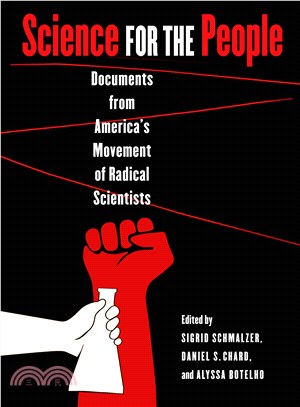
For the first time, this book compiles original documents from Science for the People, the most important radical science movement in U.S. history. Between 1969 and 1989, Science for the People mobili
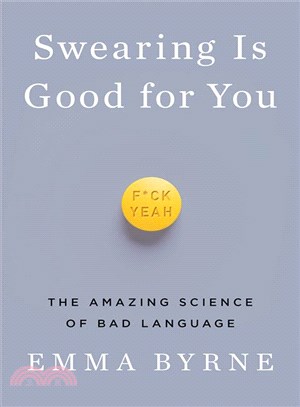
In a sparkling debut in the entertaining pop science vein of Mary Roach, scientist Emma Byrne examines the latest research to show how swearing can be good for you. She reveals how swearing has been a
Most preschool teachers have musical instruments in their classrooms, but may not realize they can use them for science explorations.Science, technology, engineering, arts, and math—STEAM—
Based on Norine Dworkin-McDaniel and Jessica Ziegler’s popular illustrated humor blog,Science of Parenthood: Thoroughly Unscientific Explanations for Utterly Baffling Parenting Situations takes the du
This book explores pedagogical approaches used by informal science educators and botanic garden educators in particular, when teaching science to visiting students (7-12 years old). More specifically,
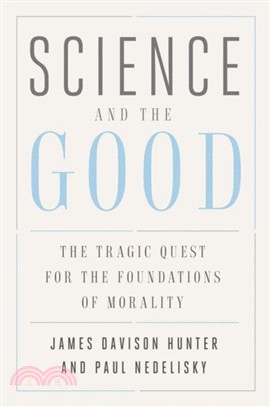
What is the difference between right and wrong? This is no easy question to answer, yet we constantly try to make it so, frequently appealing to some hidden cache of cut-and-dried absolutes, whether d
Through analyses of disciplinary knowledge, school curricula, and classroom learning, the book uncovers flaws in the unifying dimensions of the science standards. It proposes respect for disciplinary
Through analyses of disciplinary knowledge, school curricula, and classroom learning, the book uncovers flaws in the unifying dimensions of the science standards. It proposes respect for disciplinary
This book presents the incidence of sports-related injuries, the types of injuries specific to particular sports, and the importance of factors such as age and gender. Possible injury mechanisms and r
Crime statistics are ubiquitous in modern society – but how accurate are they? This book investigates the science of crime measurement focussing on four main questions: how do we count crime? How do w
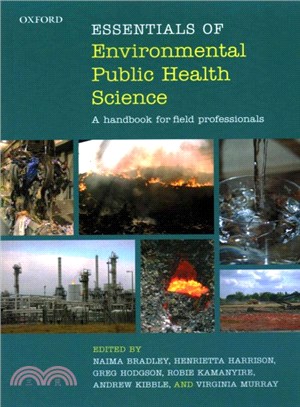
Environmental public health is an interdisciplinary approach to the study of the direct and indirect impact of exposure to environmental hazards on the public's health and wellbeing. Assessing and add