In this book Shirley See Yan Ma provides a Jungian perspective on the Chinese tradition of footbinding and considers how it can be used as a metaphor for the suffering of women and the repression of t
When Chinese women bound their daughters feet, many consequences ensued, some beyond the imagination of the binders and the bound. The most obvious of these consequences was to impress upon a small ch
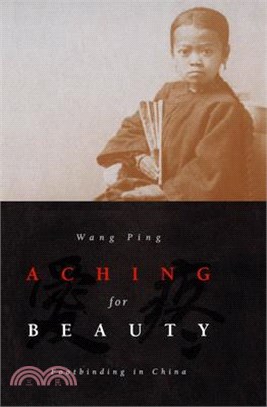
When Wang Ping was nine years old, she secretly set about binding her feet with elastic bands. Footbinding had by then been outlawed in China, women’s feet “liberated,” but at that young age she despe
An exploration of the history and cultural practice of footbinding in China reveals the traditions that contributed to and surrounded its thousand-year enforcement, as well as its related literature,
The history of footbinding is full of contradictions and unexpected turns. The practice originated in the dance culture of China's medieval court and spread to gentry families, brothels, maid's quarte
"Dorothy Ko's daring in taking on the difficult subject of footbinding has resulted in a tour-de-force. In Cinderella's Sisters she rises above nationalist, feminist, and Orientalist polemic to place
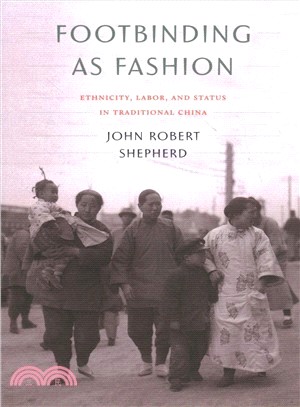
Previous studies of the practice of footbinding in imperial China have theorized that it expressed ethnic identity or that it served an economic function. By analyzing the popularity of footbinding in
Previous studies of the practice of footbinding in imperial China have theorized that it expressed ethnic identity or that it served an economic function. By analyzing the popularity of footbinding in
Footbinding was common in China until the early tweentieth century, when most Chinese were family farmers. Why did these families bind young girls' feet? And why did footbinding stop? In this groundbr
Through the medium of women's bodies, Fan Hong explores the significance of religious beliefs, cultural codes and political dogmas for gender relations, gender concepts and the human body in an Asian
In this book Shirley See Yan Ma provides a Jungian perspective on the Chinese tradition of footbinding and considers how it can be used as a metaphor for the suffering of women and the repression of t