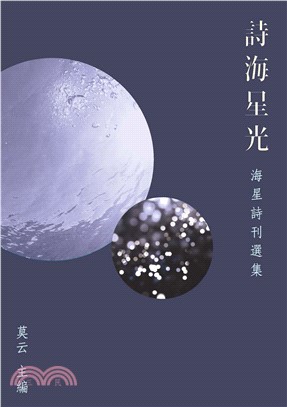
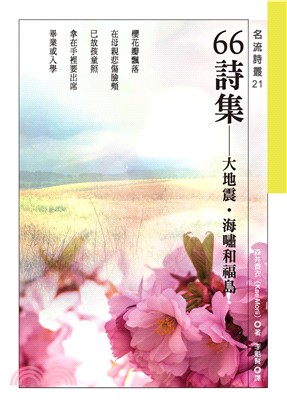
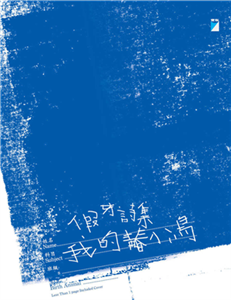
Eclectic and experimental in style this poetry collection and its stylistic range reflects the diversity of research in the field of medicine. The topics examined range from health economics and specific diseases to biological mechanisms and technology platforms used in research. Some also provide a lens to the feelings and pressures of patients and doctors, whilst others delve into the workings of the mind. Several have layers and patterns for the reader to discover as an allusion to the process of research itself. It starts with the key to successful research—collaboration and fellowship and ends on a reflection of humanity and the humbling of mankind gained through service to others. As such the collection epitomizes the path that transforms passion into perfection and enshrines the drive of the Faculty of Medicine at The Chinese University of Hong Kong to gain and apply knowledge and understanding for the benefit of all.
數位家庭過去十年發展顛簸 早在2003年6月,Intel、Microsoft聯合其他15家廠商組成數位家庭工作聯盟(Digital Home Working Group,DHWG),正式進軍數位家庭。當時,Intel成立消費性電子產品事業群(Customer Electronics Group,CEG)負責推動數位家庭事業發展;而微軟則發表一系列以Microsoft軟體為開發平台的數位家庭產品。在2006年Intel推出ViiV平台發展跨產品內容分享與存取;而在2008年Intel則與多家廠商組成Home Grid發展家庭聯網標準。 相較於Wintel,日系家電大廠Hitachi與Panasonic在1999年即倡導利用電力線(Power line)作為家庭聯網技術,成立ECHONET聯盟;而Sony與Panasonic亦於2003年7月成立CELF聯盟,訴求採用Linux作業系統作為資訊家電軟體平台。雖然,各方有採用的技術、平台不同,共同目標皆是建立互通性標準規格,讓各設備可以相互操控、內容共享,以創造數位家庭商機。 除資通訊與家電大廠外,網路服務業者如Google也看好數位家庭未來發展,2009年推出家庭用電監控平台Power Meter;2010年與Intel合作推出Google TV;2011年在I/O年會提出Android@Home計畫。然而,受限於網路基礎環境尚未成熟、廠商各擁自有標準、產品互通性不足,以及消費者習慣不易改變等情況下,數位家庭計畫推動並不順利。Intel因而在2011年組織調整,關閉數位家庭部門,結束生產電視晶片。 智慧家庭仍吸引各方業者競逐 數位家庭計畫雖未能如大廠期待在短期內開花結果,或由任何一方主導產業發展,但隨著網路環境、主要壓縮格式與傳輸技術成熟,部分概念已逐漸落實,如影音內容跨產品分享。廠商們仍舊看好家庭領域未來成長潛力,不同的是以「智慧家庭」取代「數位家庭」,並呼應行動智慧裝置的普及,在產品概念上,更強調「感測」、「智慧控制」與「雲端服務」等特性。 在2014年美國消費性電子展(CES)中,韓廠Samsung與LG接力日系家電大廠,推出智慧家庭自有整合平台。Samsung推出Smart Home Service Platform採用開放式平台架構,提供遠端操控、監看與智慧化售後服務等功能,並開
Democracy on Trial is an attempt to begin to negotiate the problem of writing about and understanding democracy and social movements in Taiwan, and what they can tell us about a place and country that for me is both home and the field, an object of study and yet also an area of hope and engagement.