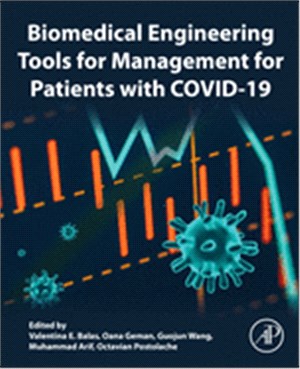
Biomedical Engineering Tools for Management of Patients with COVID-19 presents biomedical engineering tools under research (and in development) that can be used for the management of COVID-19 patients, along with BME tools in the global environment that curtail and prevent the spread of the virus. BME tools covered in the book include new disinfectants and sterilization equipment, testing devices for rapid and accurate COVID-19 diagnosis, Internet of Things applications in COVID-19 hospitals, analytics, Data Science and statistical modeling applied to COVID-19 tracking, Smart City instruments and applications, and more. Later sections discuss smart tools in telemedicine and e-health.Biomedical engineering tools can provide engineers, computer scientists, clinicians and other policymakers with solutions for managing patient treatment, applying data analysis techniques, and applying tools to help the general population curtail spread of the virus.
若需訂購本書,請電洽客服 02-25006600[分機130、131]。