Dhivehi, the language of the Maldives, has received little attention in the linguistic literature, and no other comprehensive grammar of the standard language has yet been published.This work describe
This volume traces the theme of the loss of language and culture in numerous post-colonial contexts. It establishes that the aphasia imposed on the indigenous is but a visible symptom of a deeper mala
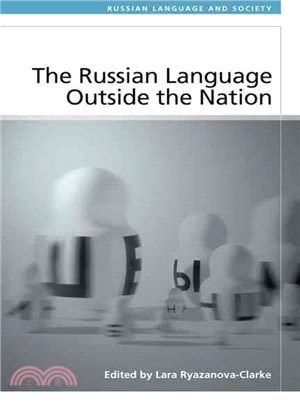
The collapse of the Soviet Union dramatically changed the global distribution of the Russian language. Apart from Russia, it is now spoken in fourteen successor states of the former Soviet Union, whil
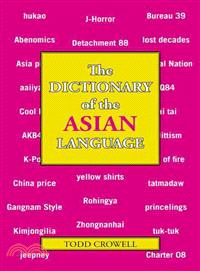
Plenty of vogue words from the booming nations of Asia are entering the English language. The Chinese have a name – shengnu, literally leftover – for the new phenomenon of unmarried women over thirty.
This book is about the possibilities of transforming life from doing to being; the shift of fear to courage, sadness to joy, anger to love, illness to wellness. The basics require you to BE authentic
This book is about the possibilities of transforming life from doing to being; the shift of fear to courage, sadness to joy, anger to love, illness to wellness. The basics require you to BE authentic
Features topics such as environmental issues, historical facts, and culture.Full-color photographs, introductions, glossaries, and exercises enhance student reading and learning.Audio versions of sele
In this volume Cleanth Brooks pays tribute to the language and literature of the American South. He writes of the language's unique syntax and its celebrated languorous rhythms; of the classical allus
The application of logic to grammar is a fundamental issue in philosophy and has been investigated by such renowned philosophers as Leibniz, Bolzano, Frege, and Husserl. Language and Grammar examines
Over the past decades, the field of sign language linguistics has expanded considerably. Recent research on sign languages includes a wide range of subdomains such as reference grammars, theoretical l
Papers from a 2003 conference in Pennsylvania have been updated and augmented with papers by other linguists and scholars of Central Asia to explore past and present language policy in the region. Amo
Kreyer begins with the network model of language as postulated by R. Hudson and other linguists, but takes it a step further by arguing that the network of language mirrors the neurophysiology of the