This study is not only the first extensive analysis of passions or emotions in William Ockham's (c. 1285-1347) psychology, it also contains a detailed analysis of Ockham's little-known two-souls anthr
What is the will? And what is its relation to human action? Throughout history, philosophers have been fascinated by the idea of 'the will': the source of the drive that motivates human beings to act.
An international group of specialists in anthropology and history are the contributors of this group of 12 papers on different aspects of family life and law in the Middle East from the 16th century t
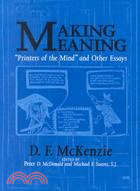
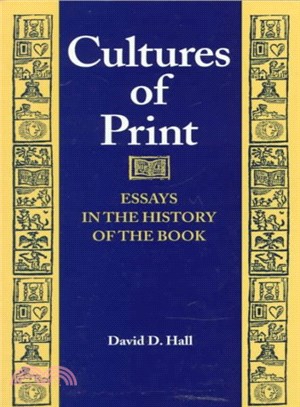
"The greatest bibliographer of our time," was how historian Robert Darnton described D. F. McKenzie. Yet until now many of McKenzie's major essays, scattered in specialist journals and inaccessible pu
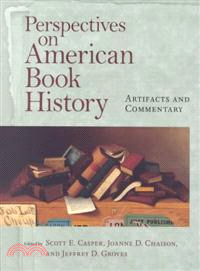
A collection of primary source materials and original essays, Perspectives on American Book History is the first text designed for the growing number of courses in American print culture, as well as a
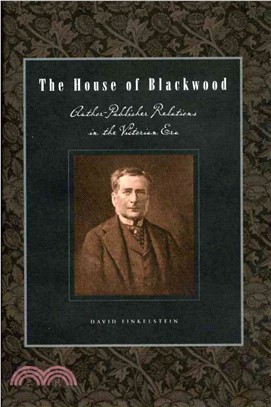
The Scottish publishing firm of William Blackwood & Sons, founded in 1804, was a major force in nineteenth- and early twentieth-century British literary history, publishing a diverse group of impo
In The Citizen-Patient in Revolutionary and Imperial Paris, Dora B. Weiner examines the experiences of the sick and handicapped indigent men, women, and children in Paris during the French Revolution
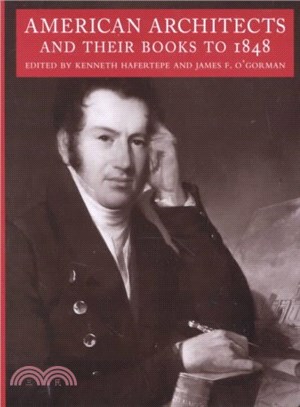
Essays by a dozen historians are concerned with various aspects of the ownership, authorship, and use of books by American architects in the period when their profession emerged. It was during the lat
History of the Mind-Body Problem is a collection of new essays by leading contributors on the various concerns that have given rise to and informed the mind-body problem in philosophy.The essays in th
George Palmer Putnam (1814–1872) was arguably the most important American publisher of the nineteenth century, a man fully and multiply involved in developments transforming all aspects of literary cu
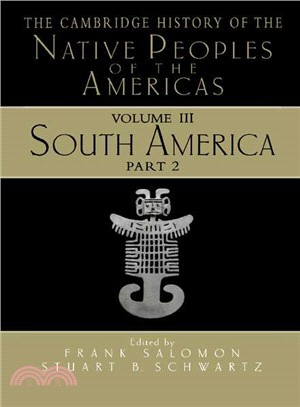
This is the first major survey of research on the indigenous peoples of South America from the earliest peopling of the continent to the present since Julian Steward's Handbook of South American India
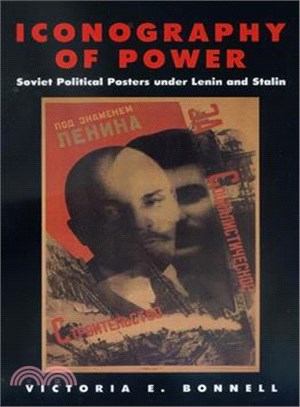
Masters at visual propaganda, the Bolsheviks produced thousands of vivid and compelling posters after they seized power in October 1917. Intended for a semi-literate population that was accustomed to
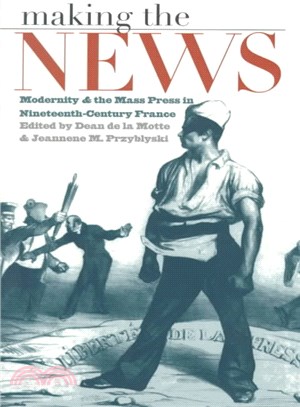
Much recent writing on print culture has focused on the social and political implications of the transition from "elite" to "mass" culture in the 1800s. The essays in this volume add significantly to
Standing at the forefront of historiographical research, The History of Italian Opera marks the first time a multidisciplinary team of scholars has worked together to investigate the entire Italian op
Brings together materials relevant to the story's publication and reception, along with documents that shed light on Gilman's attitudes toward authorship. Intended to allow readers to draw their own c
When in 1937 J. R. R. Tolkien laid aside The Silmarillion, the extension of his original mythology into later Ages of the world had scarcely emerged. Tolkien himself noted that he knew nothing of the
How did people in early America understand the authority of print and how was this authority sustained and contested? These questions are at the heart of this set of pathbreaking essays in the history
In the exploration of the 'first half of history', William W. Hallo shows that modern ideas of urbanism and the formation of capitals were first developed between 5000-300 BC and that aspects of twent
In Volumes Ten and Eleven of The History of Middle-earth, Christopher Tolkien recounts from the original texts the evolution of his father's work on The Silmarillion, the legendary history of the Eld
In Morgoth's Ring, the tenth volume of The History of Middle-earth and the first of two companion volumes, Christopher Tolkien describes and documents the legends of the Elder Days, as they were evol
Part of a series of detailed reference manuals on American economic history, this volume traces the development and growth of American commerce from the era of the Great Depression until World War II.