Helmut Meier‘s study of pro- and anti-slavery texts from 1784–1825 focuses on understanding the distinct image of Africans in the British debate on the slave trade and slavery as such. Starting from t
Despite increasing attention toward Russia’s economy and capital market, corporate governance norms of Russian public firms are rarely analyzed. This project presents and interprets evidence regarding
The Czech Republic, Poland, and Slovakia share similar experiences in the past, and a swift postcommunist integration into the originally West European communities of democratic countries, as their “r
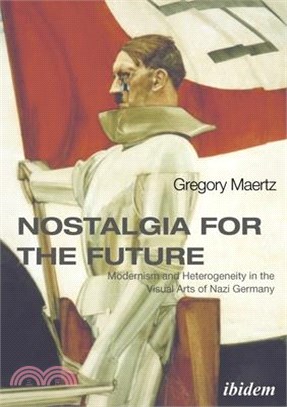
From the early years of the Weimar Republic until the collapse of Hitler’s regime, demonizing modernist art as a symptom of the corruption of German culture was a standard trope in National Socialist
Language policy and usage in the postcommunist region have continually attracted wide political, media, and expert attention since the disintegration of the USSR in 1991. How are these issues politici
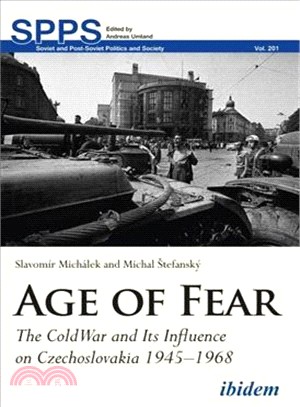
Czechoslovakia played an important role within the Soviet bloc, yet its history remains underresearched. This monograph blends historical analysis of the superpowers’ foreign policies with an assessme
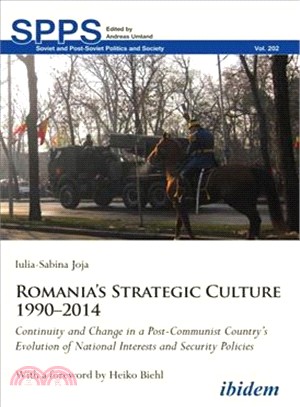
Analysis of strategic culture facilitates a comprehensive understanding of a nation’s security identity and patterns of policy conduct. Though strategic culture changes over time, why and how these mu
In times of situational therapeutic impasse, health care professionals (HCPs) are under pressure to conduct off-label, unlicensed and compassionate drug use--generally summarized under the term non-li
Slovenia’s transition from a constituent federal republic within Yugoslavia to an independent nation-state has not been the trouble-free process long represented in the academy and in the press. On th
This volume considers from a risk perspective the current phenomenon of the new alt-right authoritarianism and whether it represents ‘real’ democracy or an unacceptable hegemony potentially resulting
In our time of well-publicized health care travails, in the U.S. and the UK and elsewhere, matters of financing too often subsume the dimension of patient care. In his latest book, Alexander L. Gungov
Igor Torbakov explores the nexus between various forms of Russian political imagination and the apparently cyclic process of the decline and fall of Russia’s imperial polity over the last hundred year