How did someone become a scientist before the profession itself existed? Jan Golinski finds an answer in the remarkable career of Humphry Davy (1778-1829), one of the foremost British men of science o
William Hyde Wollaston was born into a large, religious, and scientifically informed family in 1766 and died sixty-two years later as one of the Western world’s most highly regarded scientists. With e
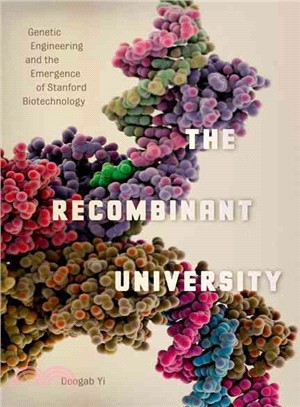
The advent of recombinant DNA technology in the 1970s was a key moment in the history of both biotechnology and the commercialization of academic research. Doogab Yi’sThe Recombinant University draws
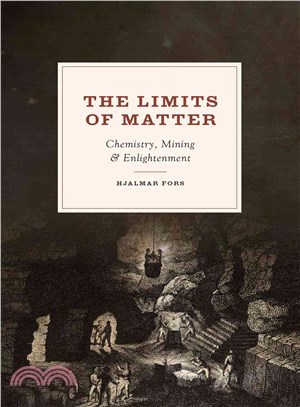
During the seventeenth and eighteenth centuries, Europeans raised a number of questions about the nature of reality and found their answers to be different from those that had satisfied their forebear
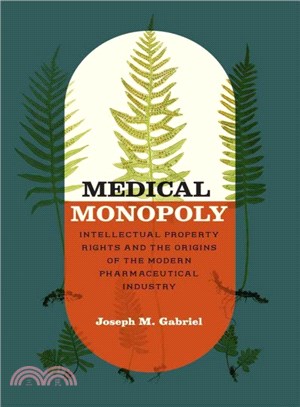
During much of the nineteenth century, physicians and pharmacists alike considered medical patenting and the use of trademarks by drug manufacturers unethical forms of monopoly; physicians who prescri
After World War II, the US Atomic Energy Commission (AEC) began mass-producing radioisotopes, sending out nearly 64,000 shipments of radioactive materials to scientists and physicians by 1955. Even as
Panaceia’s Daughters provides the first book-length study of noblewomen’s healing activities in early modern Europe. Drawing on rich archival sources, Alisha Rankin demonstrates that numerous German n
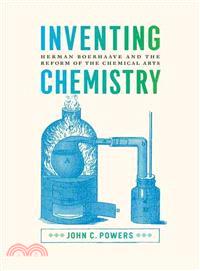
In Inventing Chemistry, historian John C. Powers turns his attention to Herman Boerhaave (1668–1738), a Dutch medical and chemical professor whose work reached a wide, educated audience and became the
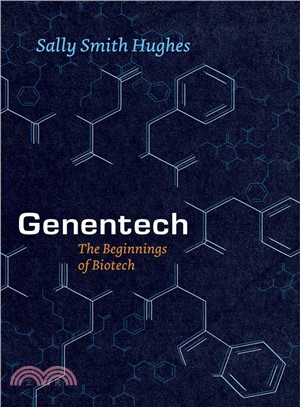
In the fall of 1980, Genentech, Inc., a little-known California genetic engineering company, became the overnight darling of Wall Street, raising over $38 million in its initial public stock offering.
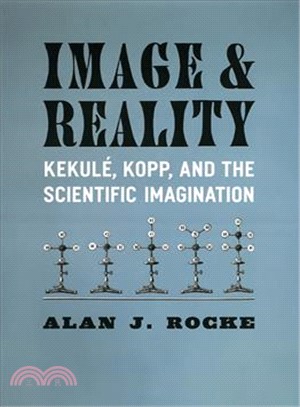
Nineteenth-century chemists were faced with a particular problem: how to depict the atoms and molecules that are beyond the direct reach of our bodily senses. In visualizing this microworld, these sci