Describes the Moon, its phases, composition, surface, eclipses, and role in Earth's tides, and discusses exploring the Moon and the visits of American astronauts.
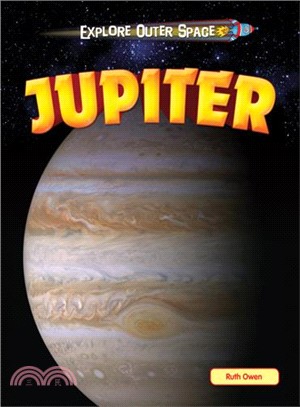
Describes Jupiter as part of the solar system, and discusses days and years, its structure and atmosphere, the Great Red Spot, its most important moons, exploring the planet and its moons, and relate
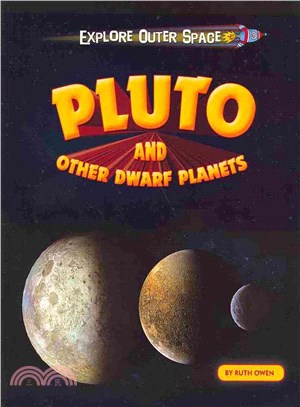
Describes Pluto and other dwarf planets as part of the solar system, and discusses its discovery, Charon--its largest moon--Eris, Ceres, asteroids, the Kuiper belt, and related topics.
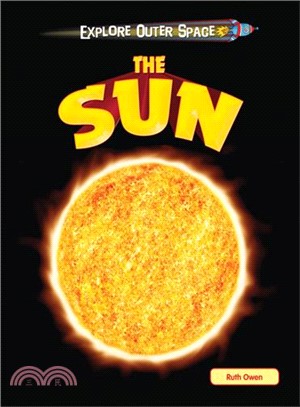
Describes the Sun as a star and as the center of the solar system, and discusses its core, sunspots, solar flares, the solar wind, eclipses, the role of the Sun in photosynthesis, and relate topics.
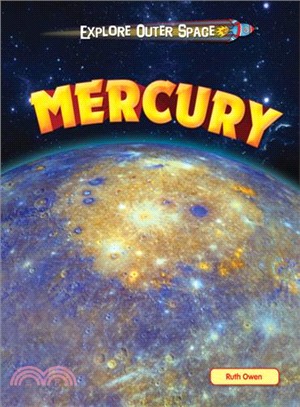
Describes Mercury as part of the solar system, and discusses the lack of an atmosphere, days and years, its discovery and exploration, the presence of water, and related topics.
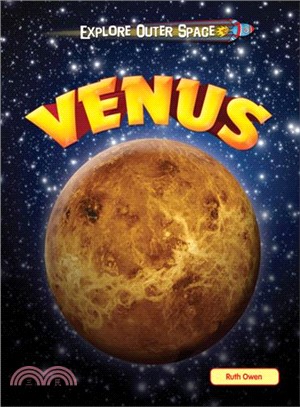
Describes Venus as part of the solar system, and discusses days and years, its structure and atmosphere, the high temperature, the cloud cover, volcanoes, exploring the planet, and related topics.
Describes the Earth as part of the solar system, and discusses days and years, tectonic plates, the Earth's surface, the atmosphere, the water cycle, the diversity of life, the possibility of extra-so
Describes Mars as part of the solar system, and discusses days and years, its moons, the atmosphere, the volcano known as Olympus Mons, the possibility of water, exploring the planet, and related topi
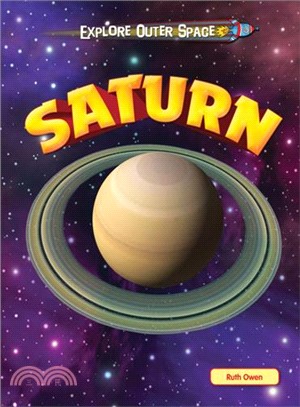
Describes Saturn as part of the solar system, and discusses days and years, its structure and atmosphere, its rings, Titan and its other moons, exploring the planet, and related topics.
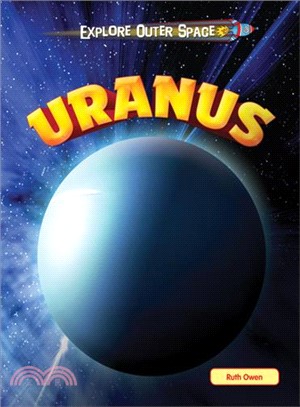
Describes Uranus as part of the solar system, and discusses days and years, tectonic plates, its unusual sideways spin, its discovery, moons, rings, exploring Uranus and beyond, and related topics.
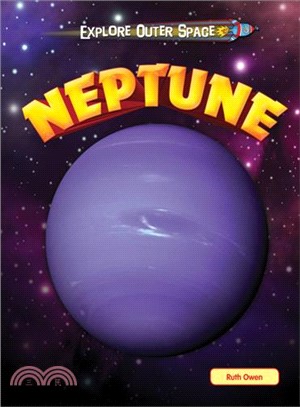
Describes Nepture as part of the solar system, and discusses its discovery, days and years, its structure and atmosphere, storms, moons, rings, exploring the planet, and related topics.
第一本由國人著作的「雷諾曼卡占卜」入門書!臺灣塔羅界傳奇──向日葵老師,繼《塔羅葵花寶典》後,睽違近20年,再度推出超實用的牌卡占卜教學書籍。名師傾囊相授,最強教學心法!透過最淺顯易懂的描述、最生動貼切的舉例,不需苦背牌義、迅速掌握解牌要領,讓學習更有效率,僅需幾小時的學習,就可以開始進行占卜。【什麼是雷諾曼卡?】「雷諾曼卡」是繼塔羅牌以來的新興占卜牌卡,以法國史上最有名的女預言家雷諾曼命名。雷諾曼卡的真正起源,其實是一位德國黃銅廠商人約翰.卡斯珀.赫克特爾所創作的一款叫「希望遊戲」的桌遊,這款桌遊的德國原名為Das Spiel der Hoffnung,約在1799年出版。大多數雷諾曼卡的玩家,都先學過了塔羅牌,因此慣用塔羅牌的思路來理解雷諾曼卡,其實兩者從核心概念、占卜方式、解讀思路乃至結果都有很大差異,好比墨鏡與望遠鏡,雖然都是用來提升視覺,但是從裡到外都大不同!與塔羅牌相較,雷諾曼卡更擅長具體事件的預測,學習也更容易上手。【雷諾曼卡占卜的特色】★更直接更具體的占卜結果--舉例算感情問題,塔羅牌可以告訴你:「你現在感情問題的癥結,是因為童年跟父親的關係不好的創傷導致。」雷諾曼卡則會說:「 你的男朋友劈腿,第三者是他在健身房認識的。」雷諾曼卡的詮釋就是如此直白,而且一針見血,毫不含糊。因此有人比喻,塔羅牌是哲學家,雷諾曼卡是我們的死黨、好閨蜜。塔羅牌著重在心理和靈性層面,它的強項是可以顯示整個事情呈現的能量和內心世界,雷諾曼卡則著重在日常生活的俗世層面,擅長預測具體事件。簡單來講,塔羅牌告訴我們「為什麼」,雷諾曼卡告訴我們「會發生什麼」。或者,塔羅牌告訴我們「成因」及從成因推導出來的結果,雷諾曼卡則直接顯示「結果」。★直覺性的聯想與推演--由於牌卡只有36張,張張皆是生活中常見的事物,無需學習神秘學即可直接聯想推演。舉例來說:「狗」牌就是忠實的好朋友,「戒指」就是約定,兩張加在一起就是「跟好朋友的約定」,以如此直覺化的詞彙排列組合,來進行預測。因此僅需幾小時的學習,就可以開始進行占卜!【雷諾曼卡的歷史】雷諾曼卡是以法國歷史上最有名的女預言家雷諾曼(Marie Anne Adelaide Lenormand)而命名的。她在1772年生於法國,五歲成為孤兒,七歲就展現出預言的天賦,會幫她在修道院的同伴作預測,據說準確度驚人。14歲就前往巴黎,跟當時很有名的一位法國塔