




滿額折
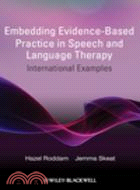
Embedding Evidence-Based Practice In Speech And Language Therapy - International Examples
商品資訊
ISBN13:9780470743294
出版社:John Wiley & Sons Inc
作者:Roddam
出版日:2010/03/19
裝訂/頁數:平裝/256頁
商品簡介
作者簡介
目次
商品簡介
Like all health professionals, speech and language therapists (SLTs) need to keep themselves up-to-date with the research evidence base that is relevant to their field of practice and be able to show how this contributes to their clinical decision-making. However, it is not always clear to practitioners how evidence-based practice (EBP) can be properly embedded in their day-to-day activities. In this valuable book, Hazel Roddam and Jemma Skeat present a wealth of instructive examples by SLT contributors from around the world, showing how clinicians, educators, and researchers have risen to the EBP challenge.
Embedding evidence-based practice in speech and language therapy showcases the creative ways that SLTs are developing knowledge and skills for EBP, creating contexts that support the use of evidence in practice, and working towards making evidence easily accessible and usable. It includes real-life examples of how SLTs have encountered a clinical problem or situation and have accessed and used the evidence within their day-to-day practice. The contributors come from a wide range of work settings, from services situated within large organizations to those in independent practice, and represent a range of clinical areas, from paediatric to adult and across speech, language, voice, fluency, Augmentative and Alternative Communication (AAC), and dysphagia.
This book is written for an audience of clinical practitioners, at any stage of their career, and is additionally a valuable resource for SLT students and lecturers.
Embedding evidence-based practice in speech and language therapy showcases the creative ways that SLTs are developing knowledge and skills for EBP, creating contexts that support the use of evidence in practice, and working towards making evidence easily accessible and usable. It includes real-life examples of how SLTs have encountered a clinical problem or situation and have accessed and used the evidence within their day-to-day practice. The contributors come from a wide range of work settings, from services situated within large organizations to those in independent practice, and represent a range of clinical areas, from paediatric to adult and across speech, language, voice, fluency, Augmentative and Alternative Communication (AAC), and dysphagia.
This book is written for an audience of clinical practitioners, at any stage of their career, and is additionally a valuable resource for SLT students and lecturers.
作者簡介
Dr Hazel Roddam is an experienced speech and language therapist, having worked in the field of paediatric special needs and AAC in the UK for over 25 years. Her PhD investigated the factors that influence the use of research in speech and language therapy. Since 2006 Hazel has worked at The University of Central Lancashire in the north-west of England, where she supervises research students across the allied health professions. Her research interests continue to focus on professional issues including promoting evidence-based practice, evaluating the impact of new roles, new ways of working and skill mix in therapy teams.
Dr Jemma Skeat is a speech pathologist and researcher. Her clinical background is in assessment, diagnosis and early intervention for children with speech and language disorders, including children with multiple and complex needs. Her PhD explored issues around the implementation and use of outcome measures by clinical speech pathologists, and her current research interests include evidence-based practice and outcome measurement in paediatric clinical services, and the use of services by families of children with speech and language needs. She currently holds an Australian National Health and Medical Research Council Postdoctoral Fellowship at the Murdoch Children's Research Institute in Melbourne, Australia.
Dr Jemma Skeat is a speech pathologist and researcher. Her clinical background is in assessment, diagnosis and early intervention for children with speech and language disorders, including children with multiple and complex needs. Her PhD explored issues around the implementation and use of outcome measures by clinical speech pathologists, and her current research interests include evidence-based practice and outcome measurement in paediatric clinical services, and the use of services by families of children with speech and language needs. She currently holds an Australian National Health and Medical Research Council Postdoctoral Fellowship at the Murdoch Children's Research Institute in Melbourne, Australia.
目次
List of contributors.
Forewords.
Professor Sheena Reilly, Australia.
Professor Pam Enderby, United Kingdom.
About the editors.
Acknowledgements.
Section One: Understanding EBP.
1 Purpose of this book (Hazel Roddam and Jemma Skeat).
2 What does EBP mean to speech and language therapists? (Hazel Roddam and Jemma Skeat).
3 What are the barriers to EBP in speech and language therapy? (Jemma Skeat and Hazel Roddam).
Section Two: Developing knowledge and skills for EBP.
4 Teaching undergraduates to become critical and effective clinicians (Bea Spek, The Netherlands).
5 Promoting clinical effectiveness with postgraduate students (Paula Leslie and James L. Coyle, United States).
6 Clinical effectiveness: not just a journal club (Satty Boyes and Gina Sutcliffe, United Kingdom).
7 Using evidence-based practice in supervision (Hannah Crawford, United Kingdom).
8 Meeting skill gaps and training needs (commentary on Section Two) (Hazel Roddam and Jemma Skeat).
Section Three: Creating a supportive context for EBP.
9 The role of leadership in creating evidence-based services (Karen Davies, United Kingdom).
10 Supporting staff to balance caseload demands (Sean Pert, United Kingdom).
11 A model of clinician-researcher collaboration in a community setting (Parimala Raghavendra, Australia).
12 Valuing evidence-based practice in the clinical setting – a showcase event (Siân E. Davies and Tracey C. Dean, United Kingdom).
13 Launching and sustaining an evidence-based highly specialist service (Sheena Round and Sarah Beazley, United Kingdom).
14 Strategic approaches to promoting the value of EBP (commentary on Section Three) (Hazel Roddam and Jemma Skeat).
Section Four: Making the evidence work for us.
15 The importance of listening to the views of clients (Pirkko Rautakoski, Finland).
16 Developing evidence-based clinical resources (Russell Thomas Cross, United States).
17 Creating evidence-based policy to facilitate evidence-based practice (Angie Dobbrick, Australia).
18 Building and supporting a multi-stream clinical evidence-based practice Network (Tracy Kelly, Rachel Miles Kingma and Rachelle Robinson, Australia).
19 Equipping ourselves as evidence-based practitioners: tools and resources for EBP (commentary on Section Four) (Jemma Skeat and Hazel Roddam).
Section Five: Applying evidence to meet clinical challenges.
20 A community-based project in rural Sri Lanka (Shalini Felicity Gomesz, Sri Lanka).
21 Supporting communicative participation for children with complex communication needs: how the evidence contributes to the journey (Angela Guidera, Catherine Olsson and Parimala Raghavendra, Australia).
22 Evidence-based diagnosis of speech, language and swallowing following paediatric stroke (Angela Morgan, Australia).
23 Working with a dysfl uent three-year-old from a bilingual family (Patricia Oksenberg, France).
24 Supporting parents and teachers in managing autism: an example of an evidence-informed model for assessment and intervention (Anneli Yliherva, Finland).
25 Communication therapy on the Stroke Care Unit (Daniel De Stefanis and Gracie Tomolo, Australia).
26 Working with psychogenic dysphonia (Beth Higginbottom and Linda House, United Kingdom).
27 Implementation of a free fl uid protocol in an aged care facility (Amanda Scott and Leora Benjamin, Australia).
28 Prosody intervention for children (Christina Samuelsson, Sweden).
29 Supporting evidence-based practice for students on placement: making management decisions for two clients with Down Syndrome (Ruth Miller, United Kingdom).
30 Bridging the research–clinical divide through postgraduate research training (Georgia D. Bertou, Greece).
31 Many roads lead to EBP (commentary on Section Five) (Jemma Skeat and Hazel Roddam).
Section Six: Future directions for EBP in speech and language therapy.
32 Wider consultation on embedding EBP in SLT practice (Hazel Roddam and Jemma Skeat).
33 The role of refl ective practice in supporting EBP (Jemma Skeat and Hazel Roddam).
34 Embedding EBP: future directions (Hazel Roddam and Jemma Skeat).
Index.
Forewords.
Professor Sheena Reilly, Australia.
Professor Pam Enderby, United Kingdom.
About the editors.
Acknowledgements.
Section One: Understanding EBP.
1 Purpose of this book (Hazel Roddam and Jemma Skeat).
2 What does EBP mean to speech and language therapists? (Hazel Roddam and Jemma Skeat).
3 What are the barriers to EBP in speech and language therapy? (Jemma Skeat and Hazel Roddam).
Section Two: Developing knowledge and skills for EBP.
4 Teaching undergraduates to become critical and effective clinicians (Bea Spek, The Netherlands).
5 Promoting clinical effectiveness with postgraduate students (Paula Leslie and James L. Coyle, United States).
6 Clinical effectiveness: not just a journal club (Satty Boyes and Gina Sutcliffe, United Kingdom).
7 Using evidence-based practice in supervision (Hannah Crawford, United Kingdom).
8 Meeting skill gaps and training needs (commentary on Section Two) (Hazel Roddam and Jemma Skeat).
Section Three: Creating a supportive context for EBP.
9 The role of leadership in creating evidence-based services (Karen Davies, United Kingdom).
10 Supporting staff to balance caseload demands (Sean Pert, United Kingdom).
11 A model of clinician-researcher collaboration in a community setting (Parimala Raghavendra, Australia).
12 Valuing evidence-based practice in the clinical setting – a showcase event (Siân E. Davies and Tracey C. Dean, United Kingdom).
13 Launching and sustaining an evidence-based highly specialist service (Sheena Round and Sarah Beazley, United Kingdom).
14 Strategic approaches to promoting the value of EBP (commentary on Section Three) (Hazel Roddam and Jemma Skeat).
Section Four: Making the evidence work for us.
15 The importance of listening to the views of clients (Pirkko Rautakoski, Finland).
16 Developing evidence-based clinical resources (Russell Thomas Cross, United States).
17 Creating evidence-based policy to facilitate evidence-based practice (Angie Dobbrick, Australia).
18 Building and supporting a multi-stream clinical evidence-based practice Network (Tracy Kelly, Rachel Miles Kingma and Rachelle Robinson, Australia).
19 Equipping ourselves as evidence-based practitioners: tools and resources for EBP (commentary on Section Four) (Jemma Skeat and Hazel Roddam).
Section Five: Applying evidence to meet clinical challenges.
20 A community-based project in rural Sri Lanka (Shalini Felicity Gomesz, Sri Lanka).
21 Supporting communicative participation for children with complex communication needs: how the evidence contributes to the journey (Angela Guidera, Catherine Olsson and Parimala Raghavendra, Australia).
22 Evidence-based diagnosis of speech, language and swallowing following paediatric stroke (Angela Morgan, Australia).
23 Working with a dysfl uent three-year-old from a bilingual family (Patricia Oksenberg, France).
24 Supporting parents and teachers in managing autism: an example of an evidence-informed model for assessment and intervention (Anneli Yliherva, Finland).
25 Communication therapy on the Stroke Care Unit (Daniel De Stefanis and Gracie Tomolo, Australia).
26 Working with psychogenic dysphonia (Beth Higginbottom and Linda House, United Kingdom).
27 Implementation of a free fl uid protocol in an aged care facility (Amanda Scott and Leora Benjamin, Australia).
28 Prosody intervention for children (Christina Samuelsson, Sweden).
29 Supporting evidence-based practice for students on placement: making management decisions for two clients with Down Syndrome (Ruth Miller, United Kingdom).
30 Bridging the research–clinical divide through postgraduate research training (Georgia D. Bertou, Greece).
31 Many roads lead to EBP (commentary on Section Five) (Jemma Skeat and Hazel Roddam).
Section Six: Future directions for EBP in speech and language therapy.
32 Wider consultation on embedding EBP in SLT practice (Hazel Roddam and Jemma Skeat).
33 The role of refl ective practice in supporting EBP (Jemma Skeat and Hazel Roddam).
34 Embedding EBP: future directions (Hazel Roddam and Jemma Skeat).
Index.








購物須知
外文書商品之書封,為出版社提供之樣本。實際出貨商品,以出版社所提供之現有版本為主。部份書籍,因出版社供應狀況特殊,匯率將依實際狀況做調整。
無庫存之商品,在您完成訂單程序之後,將以空運的方式為你下單調貨。為了縮短等待的時間,建議您將外文書與其他商品分開下單,以獲得最快的取貨速度,平均調貨時間為1~2個月。
為了保護您的權益,「三民網路書店」提供會員七日商品鑑賞期(收到商品為起始日)。
若要辦理退貨,請在商品鑑賞期內寄回,且商品必須是全新狀態與完整包裝(商品、附件、發票、隨貨贈品等)否則恕不接受退貨。