




滿額折
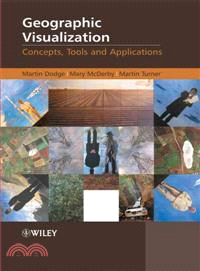
Geographic Visualization - Concepts, Tools And Applications
商品資訊
ISBN13:9780470515112
出版社:John Wiley & Sons Inc
作者:Dodge
出版日:2008/04/16
裝訂/頁數:精裝/348頁
規格:24.8cm*16.5cm*2.5cm (高/寬/厚)
定價
:NT$ 5622 元優惠價
:
90 折 5060 元
若需訂購本書,請電洽客服 02-25006600[分機130、131]。
無法訂購
商品簡介
作者簡介
目次
商品簡介
Geographic Visualization: Concepts, Tools and Applications is a ‘state-of-the-art’ review of the latest developments in the subject. It examines how new concepts, methods and tools can be creatively applied to solve problems relevant to a wide range of topics. The text covers the impact of three-dimensional displays on user interaction along with the potentialities in animation and clearly explains how to create temporally sensitive visualizations. It also explores the potential for handling mobile data and representing uncertainty; as well as the role of participatory visualization systems and exploratory methods.
Hallmark Features:
An introduction to the diverse forms of geographic visualization which draws upon a number of theoretical perspectives and disciplines to provide an insightful commentary on new methods, techniques and tools.
Richly illustrated in full colour throughout, including numerous relevant case studies and accessible discussions of important visualization concepts to enable clearer understanding for non-technical audiences.
Chapters are written by leading scholars and researchers in a range of cognate fields, including, cartography, GIScience, architecture, art, urban planning and computer graphics with case studies drawn from Europe, North America and Australia
This book is an invaluable resource for all graduate students, researchers and professionals working in the geographic information sector, computer graphics and cartography.
Hallmark Features:
An introduction to the diverse forms of geographic visualization which draws upon a number of theoretical perspectives and disciplines to provide an insightful commentary on new methods, techniques and tools.
Richly illustrated in full colour throughout, including numerous relevant case studies and accessible discussions of important visualization concepts to enable clearer understanding for non-technical audiences.
Chapters are written by leading scholars and researchers in a range of cognate fields, including, cartography, GIScience, architecture, art, urban planning and computer graphics with case studies drawn from Europe, North America and Australia
This book is an invaluable resource for all graduate students, researchers and professionals working in the geographic information sector, computer graphics and cartography.
作者簡介
Martin Dodge
Lecturer in Human Geography
School of Environment and Development, University of Manchester, UK
Martin Dodge works at the University of Manchester as a Lecturer in Human Geography. His research focuses primarily on the geography of cyberspace, particularly ways to map and visualize the Internet and the Web. He is the curator of a web-based Atlas of Cyberspace (www.cybergeography.org/atlas) and has co-authored two books,Mapping Cyberspace (Routledge, 2000) and Atlas of Cyberspace (Addison-Wesley 2001), both with Rob Kitchin.
Mary McDerby
Visualization Support Officer
Research Computing Services, University of Manchester, UK
Mary McDerby is visualization support officer in Research Computing Services providing visualization, computer graphics, multimedia and image processing services to the University of Manchester. Her research is in the visualization of complex datasets within a virtual reality environment, as well as medical visualization. She is active in both national and international computer graphics/visualization communities such as Eurographics, and has been a co-editor of the proceedings of the UK chapter for the past three years.
Martin Turner
Visualization Team Leader
Research Computing Services, University of Manchester, UK
Martin Turner is the Visualization Team Leader within Research Computing Services at the University of Manchester. He gained his PhD in the Computer Laboratory, at Cambridge University. His research in visualization and image processing has resulted in a Fellowship with British Telecom, a published book, Fractal Geometry in Digital Imaging (Academic Press, 1998) as well as over 50 other publications, and he has supervised to completion seven successful MPhil/PhD students. Key activities and grants cover both local and nationally funded high-end visualization services as well as commercial contracts.
Lecturer in Human Geography
School of Environment and Development, University of Manchester, UK
Martin Dodge works at the University of Manchester as a Lecturer in Human Geography. His research focuses primarily on the geography of cyberspace, particularly ways to map and visualize the Internet and the Web. He is the curator of a web-based Atlas of Cyberspace (www.cybergeography.org/atlas) and has co-authored two books,Mapping Cyberspace (Routledge, 2000) and Atlas of Cyberspace (Addison-Wesley 2001), both with Rob Kitchin.
Mary McDerby
Visualization Support Officer
Research Computing Services, University of Manchester, UK
Mary McDerby is visualization support officer in Research Computing Services providing visualization, computer graphics, multimedia and image processing services to the University of Manchester. Her research is in the visualization of complex datasets within a virtual reality environment, as well as medical visualization. She is active in both national and international computer graphics/visualization communities such as Eurographics, and has been a co-editor of the proceedings of the UK chapter for the past three years.
Martin Turner
Visualization Team Leader
Research Computing Services, University of Manchester, UK
Martin Turner is the Visualization Team Leader within Research Computing Services at the University of Manchester. He gained his PhD in the Computer Laboratory, at Cambridge University. His research in visualization and image processing has resulted in a Fellowship with British Telecom, a published book, Fractal Geometry in Digital Imaging (Academic Press, 1998) as well as over 50 other publications, and he has supervised to completion seven successful MPhil/PhD students. Key activities and grants cover both local and nationally funded high-end visualization services as well as commercial contracts.
目次
Foreword.
Acknowledgements.
Authors’ Biographies.
1. The Power of Geographical Visualizations (Martin Dodge, Mary McDerby and Martin Turner).
1.1 Aims.
1.2 The nature of geographic visualization.
1.3 The visualization process.
1.4 Digital transition and geographic visualization.
1.5 The politics of visualization.
1.6 The utility of geographic visualization.
1.7 Conclusions.
References.
2. What does Google Earth mean for the Social Sciences (Michael F. Goodchild).
2.1 Introduction.
2.2 Major features of Google Earth.
2.3 Fundamental spatial concepts.
2.4 The social perspective.
2.5 Research challenges.
2.6 Conclusions.
References.
3. Coordinated Multiple Views for Exploratory GeoVisualization (Jonathan C. Roberts).
3.1 Introduction.
3.2 Data preparation.
3.3 Informative visualizations.
3.4 Interaction and manipulation.
3.5 Tools and toolkits.
3.6 Conclusions.
References.
4. The Role of Map Animation for Geographic Visualization (Mark Harrower and Sara Fabrikant).
4.1 Introduction.
4.2 Types of time.
4.3 The nature of animated maps.
4.4 Potential pitfalls of map animation.
4.5 Conclusions.
References.
5. Telling an Old Story with New Maps (Anna Barford and Danny Dorling).
5.1 Introduction: re-visualizing our world.
5.2 Method and content.
5.3 The champagne glass of income distribution.
References.
6. Re-visiting the Use of Surrogate Walks for Exploring Local Geographies Using Non-immersive Multimedia (William Cartwright).
6.1 Introduction.
6.2 Queenscliff Video Atlas.
6.3 GeoExploratorium.
6.4 Townsville GeoKnowledge Project.
6.5 Jewell Area prototype.
6.6 Melbourne Historical Buildings Demonstration Product.
6.7 Testing the user’s perception of space and place.
6.8 Further development work.
6.9 Conclusion.
Acknowledgements.
References.
7. Visualization with High-resolution Aerial Photography in Planning-related Property Research (Scott Orford).
7.1 Introduction.
7.2 Applications of aerial photography in planning-related property research.
7.3 Aerial photography, property and surveillance.
7.4 Conclusion.
References.
8. Towards High-resolution Self-organizing Maps of Geographic Features (André Skupin and Aude Esperbé).
8.1 Introduction.
8.2 Self-organizing maps.
8.3 High-resolution SOM.
8.4 High-resolution SOM for Climate Attributes.
8.5 Summary and outlook.
Acknowledgements.
References.
9. The Visual City (Andy Hudson-Smith).
9.1 The development of digital space.
9.2 Creating place and space.
9.3 Visual cities and the visual Earth.
9.4 The development of virtual social space.
9.5 The future: the personal city.
References.
10. Travails in the Third Dimension: a Critical Evaluation of Three-dimensional Geographical Visualization (Ifan D H Shepherd).
10.1 Introduction.
10.2 What is gained by going from 2D to 3D?.
10.3 Some problems with 3D views.
10.4 Conclusions.
Acknowledgements.
References.
11. Experiences of Using State of the Art Immersive Technologies for Geographic Visualization (Martin Turner and Mary McDerby).
11.1 Introduction.
11.2 The human visual system.
11.3 Constructing large-scale visualization systems.
11.4 Rules and recommendations.
11.5 The future - a better and cheaper place.
References.
12. Landscape Visualization: Science and Art (Gary Priestnall and Derek Hampson).
12.1 Landscape visualization: contexts of use.
12.2 The need for ground truth.
12.3 Outcomes from fieldwork exercises.
12.4 Broadening the context.
12.5 The Chat Moss case study.
12.6 Discussion.
12.7 Conclusion.
Acknowledgements.
References.
13. Visualization, Data Sharing and Metadata (Humphrey Southall).
13.1 Introduction.
13.2 The data documentation initiative and the aggregate data extension.
13.3 Implementing the DDI within the GB Historical GIS.
13.4. Driving visualization in Vision of Britain.
13.5 Conclusion.
Acknowledgements.
References.
14. Making Uncertainty Usable: Approaches for Visualizing Uncertainty Information (Stephanie Deitrick and Robert Edsall).
14.1 Introduction: the need for representations of uncertainty.
14.2 The complexity of uncertainty.
14.3 Uncertainty visualization: a user-centred research agenda.
14.4 Conclusion.
References.
15. Geovisualization and Time - New Opportunities for the Space-Time Cube (Menno-Jan Kraak).
15.1 Introduction.
15.2 Hägerstrand’s time geography and the space-time cube.
15.3 Basics of the space-time cube.
15.4 The space-time cube at work.
15.5. Discussion.
References.
16. Visualizing Data Gathered by Mobile Phones (Michael A. E. Wright, Leif Oppermann and Mauricio Capra).
16.1 Introduction.
16.2 What are we visualizing?
16.3 How can we visualize this data?
16.4 Case studies.
16.5 Discussion.
16.6 Conclusion.
References.
Index.
Acknowledgements.
Authors’ Biographies.
1. The Power of Geographical Visualizations (Martin Dodge, Mary McDerby and Martin Turner).
1.1 Aims.
1.2 The nature of geographic visualization.
1.3 The visualization process.
1.4 Digital transition and geographic visualization.
1.5 The politics of visualization.
1.6 The utility of geographic visualization.
1.7 Conclusions.
References.
2. What does Google Earth mean for the Social Sciences (Michael F. Goodchild).
2.1 Introduction.
2.2 Major features of Google Earth.
2.3 Fundamental spatial concepts.
2.4 The social perspective.
2.5 Research challenges.
2.6 Conclusions.
References.
3. Coordinated Multiple Views for Exploratory GeoVisualization (Jonathan C. Roberts).
3.1 Introduction.
3.2 Data preparation.
3.3 Informative visualizations.
3.4 Interaction and manipulation.
3.5 Tools and toolkits.
3.6 Conclusions.
References.
4. The Role of Map Animation for Geographic Visualization (Mark Harrower and Sara Fabrikant).
4.1 Introduction.
4.2 Types of time.
4.3 The nature of animated maps.
4.4 Potential pitfalls of map animation.
4.5 Conclusions.
References.
5. Telling an Old Story with New Maps (Anna Barford and Danny Dorling).
5.1 Introduction: re-visualizing our world.
5.2 Method and content.
5.3 The champagne glass of income distribution.
References.
6. Re-visiting the Use of Surrogate Walks for Exploring Local Geographies Using Non-immersive Multimedia (William Cartwright).
6.1 Introduction.
6.2 Queenscliff Video Atlas.
6.3 GeoExploratorium.
6.4 Townsville GeoKnowledge Project.
6.5 Jewell Area prototype.
6.6 Melbourne Historical Buildings Demonstration Product.
6.7 Testing the user’s perception of space and place.
6.8 Further development work.
6.9 Conclusion.
Acknowledgements.
References.
7. Visualization with High-resolution Aerial Photography in Planning-related Property Research (Scott Orford).
7.1 Introduction.
7.2 Applications of aerial photography in planning-related property research.
7.3 Aerial photography, property and surveillance.
7.4 Conclusion.
References.
8. Towards High-resolution Self-organizing Maps of Geographic Features (André Skupin and Aude Esperbé).
8.1 Introduction.
8.2 Self-organizing maps.
8.3 High-resolution SOM.
8.4 High-resolution SOM for Climate Attributes.
8.5 Summary and outlook.
Acknowledgements.
References.
9. The Visual City (Andy Hudson-Smith).
9.1 The development of digital space.
9.2 Creating place and space.
9.3 Visual cities and the visual Earth.
9.4 The development of virtual social space.
9.5 The future: the personal city.
References.
10. Travails in the Third Dimension: a Critical Evaluation of Three-dimensional Geographical Visualization (Ifan D H Shepherd).
10.1 Introduction.
10.2 What is gained by going from 2D to 3D?.
10.3 Some problems with 3D views.
10.4 Conclusions.
Acknowledgements.
References.
11. Experiences of Using State of the Art Immersive Technologies for Geographic Visualization (Martin Turner and Mary McDerby).
11.1 Introduction.
11.2 The human visual system.
11.3 Constructing large-scale visualization systems.
11.4 Rules and recommendations.
11.5 The future - a better and cheaper place.
References.
12. Landscape Visualization: Science and Art (Gary Priestnall and Derek Hampson).
12.1 Landscape visualization: contexts of use.
12.2 The need for ground truth.
12.3 Outcomes from fieldwork exercises.
12.4 Broadening the context.
12.5 The Chat Moss case study.
12.6 Discussion.
12.7 Conclusion.
Acknowledgements.
References.
13. Visualization, Data Sharing and Metadata (Humphrey Southall).
13.1 Introduction.
13.2 The data documentation initiative and the aggregate data extension.
13.3 Implementing the DDI within the GB Historical GIS.
13.4. Driving visualization in Vision of Britain.
13.5 Conclusion.
Acknowledgements.
References.
14. Making Uncertainty Usable: Approaches for Visualizing Uncertainty Information (Stephanie Deitrick and Robert Edsall).
14.1 Introduction: the need for representations of uncertainty.
14.2 The complexity of uncertainty.
14.3 Uncertainty visualization: a user-centred research agenda.
14.4 Conclusion.
References.
15. Geovisualization and Time - New Opportunities for the Space-Time Cube (Menno-Jan Kraak).
15.1 Introduction.
15.2 Hägerstrand’s time geography and the space-time cube.
15.3 Basics of the space-time cube.
15.4 The space-time cube at work.
15.5. Discussion.
References.
16. Visualizing Data Gathered by Mobile Phones (Michael A. E. Wright, Leif Oppermann and Mauricio Capra).
16.1 Introduction.
16.2 What are we visualizing?
16.3 How can we visualize this data?
16.4 Case studies.
16.5 Discussion.
16.6 Conclusion.
References.
Index.








購物須知
外文書商品之書封,為出版社提供之樣本。實際出貨商品,以出版社所提供之現有版本為主。部份書籍,因出版社供應狀況特殊,匯率將依實際狀況做調整。
無庫存之商品,在您完成訂單程序之後,將以空運的方式為你下單調貨。為了縮短等待的時間,建議您將外文書與其他商品分開下單,以獲得最快的取貨速度,平均調貨時間為1~2個月。
為了保護您的權益,「三民網路書店」提供會員七日商品鑑賞期(收到商品為起始日)。
若要辦理退貨,請在商品鑑賞期內寄回,且商品必須是全新狀態與完整包裝(商品、附件、發票、隨貨贈品等)否則恕不接受退貨。