商品簡介
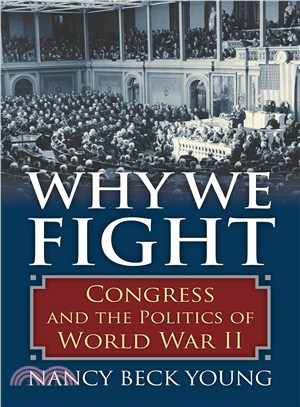
During World War II, moderate lawmakers in the US Congress, positioned in the middle of the vituperative partisanship dividing hardcore conservatives and liberal New Dealers, successfully worked to constrain the New Deal while also preserving it, argues Young (history, U. of Houston), marking "a critical moment of transformation from the hopeful, experimental welfare state liberalism of the 1930s to the vital center warfare state liberalism of the 1950s." She examines the congressional battles between legislators and between the Congress and the President that surrounded this shift, seeking in particular to explain why economic elements of the New Deal (e.g., the Wagner Act, Keynesianism, and economic regulation) were institutionalized while social justice issues were left largely to the side. Annotation c2013 Book News, Inc., Portland, OR (booknews.com)