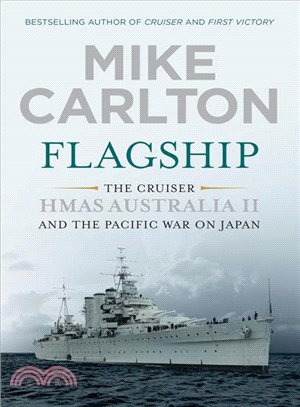
In 1928 the Royal Australian Navy acquired the fast, heavy cruiser HMAS Australia II, and she finally saw action in World War II, patrolling for German battleships. By March 1942, Australia had returned home, where the ship was stunned by a murder. One of her sailors, Stoker Riley, was found stabbed and bleeding to death. Before he died, he named his two attackers, who'd tried to kill him because, he said, he'd threatened to expose their homosexual activities. The two men were sentenced to death. Only weeks later Australia fought in the Battle of the Coral Sea near Papua New Guinea, the first sea battle to stop the Japanese advance in the Pacific. She was heavily attacked but escaped unscathed. In 1944 she took part in the greatest sea fight of all time, the Battle of Leyte Gulf, which returned General Douglas MacArthur to the Philippines. The next year, she was hit by four kamikaze planes on four successive days. She was, in fact, attacked by more kamikaze aircraft than any other Allied ship in the war, and in the end this finished her war. She retired gracefully, laden with battle honors, and was scrapped in 1956—the last of her name, for the navy no longer uses Australia for its ships.