商品簡介
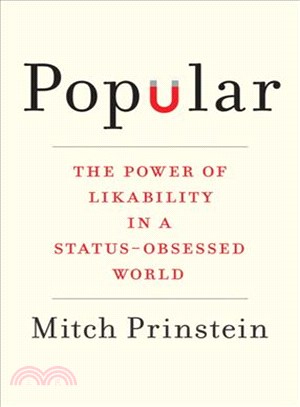
Why popularity matters to adults as much as it did when they were in high school—and how we all can avoid the pitfalls that come with the wrong type of popularity
Popular examines why popularity plays such a key role in our development and, ultimately, our happiness. Surprisingly, the most conventionally popular people are often not among the happiest. There is more than one type of popularity, and many of us still wish for the wrong one. As children, we strive to be likable, which can offer real benefits throughout our lives. In adolescence, however, a new form of popularity suddenly emerges that reflects status, power, influence, and notoriety that can be quantified by Facebook likes or YouTube hits and is often addictive.
We cannot realistically ignore our natural human social impulses to be included and well regarded by others, but we can learn to manage them in beneficial and gratifying ways. Popular shows how to achieve the healthy type of popularity, not only for yourself but also for your children.
More than childhood intellect, family background, or prior psychological symptoms, psychology has begun to discover that it’s our genuine popularity and likability in our early years that predict how happy we grow up to be. Adults who have memories of being well liked in childhood are the most likely to report that their marriages are better and their work relationships are stronger, and they feel like flourishing members of society. Likable children also grow up to have greater academic success, get married earlier, make more money, and even live longer while those who were consumed with status are at much greater risk for substance abuse, poor quality relationships, and even loneliness.
作者簡介
Mitch Prinstein is the John Van Seters Distinguished Professor of Psychology and the Director of Clinical Psychology at the University of North Carolina at Chapel Hill. He and his research have been featured in The New York Times, The Wall Street Journal, National Public Radio, the Los Angeles Times, CNN, U.S. News & World Report, Time magazine, New York magazine, Newsweek, Reuters, Family Circle, Real Simple, and elsewhere.