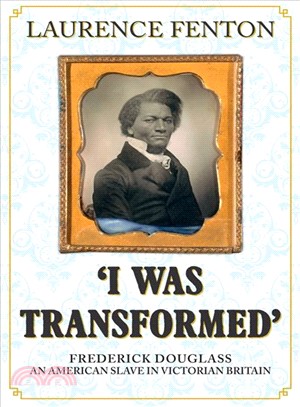
In the summer of 1845, abolitionist Frederick Douglass, catapulted to fame by his autobiography, Narrative of the Life of Frederick Douglass, an American Slave, arrived in Liverpool for the start of an almost two-year tour of Britain and Ireland that he always called one of the most transformative periods of his life. This book draws on a wide array of sources from both sides of the Atlantic and combines a unique insight into the early years of one of the great figures of the 19th-century world, with rich profiles of the enormous personalities at the heart of the transatlantic anti-slavery movement. This vivid portrait of life in Victorian Britain is the first to fully explore the "liberating sojourn" that ended with Douglass gaining his freedom—paid for by British supporters—before returning to America a celebrity and icon of international standing. It also follows his later life, through the Civil War and after. Douglass has been described as "the most influential African American of the 19th century." He spoke and wrote on behalf of a variety of reform causes: women's rights, temperance, peace, land reform, free public education, and the abolition of capital punishment. But he devoted most of his time, immense talent, and boundless energy to ending slavery. On April 14, 1876, Douglass would deliver the keynote speech at the unveiling of the Emancipation Memorial in Washington's Lincoln Park.