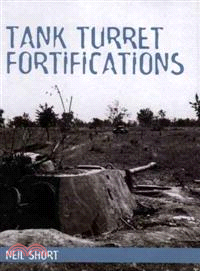
Tank Turret Fortifications traces the origins of the idea from the development of the first armored turrets in the nineteenth century through to the present day. On the way it covers the inter-war per
For more than 500 years, the Portuguese built or adapted fortifications along the coasts of Africa, Asia and South America. At a macro scale, mapping this network of power reveals a gigantic territori
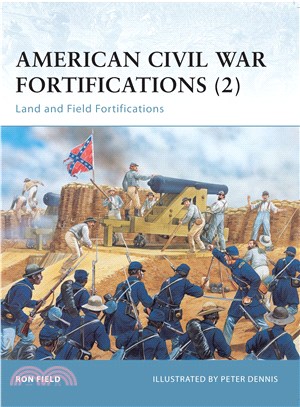
The American Civil War saw a massive development in the use of field fortifications, the result of the practical application of antebellum West-Point teaching, and the deadly impact of rifled infantry
Originally published in Armenian as Butrinti dhe fortifikmet e tij (Tirana 1984), this archaeological study of the military fortifications of the ancient city of Butrint is important for two reasons.
This highly original interpretation of the novel of the French Classical age explores military strategy as a central metaphor in Rousseau's Julie and Emile, Laclos' Les Liaisons dangereuses, and Sade'
This highly original interpretation of the novel of the French Classical age explores military strategy as a central metaphor in Rousseau's Julie and Emile, Laclos' Les Liaisons dangereuses, and Sade'
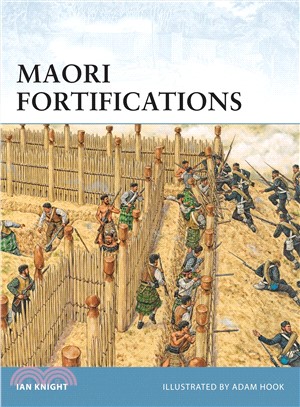
The Maori people of New Zealand were experienced field engineers and it was common practice to protect villages with surrounding entrenchments and wooden palisades, known as pa. However, in 1845, wit
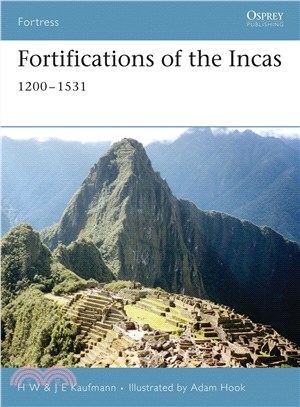
The greatest period of Inca expansion occurred during the reigns of Pachacuti (1438–71), Tupa Inca (1471–93), and Huayna Capac (1493–1527). From the mountain stronghold of Cuzco, they subjugated the s
German defenses along the Normandy beaches were part of the larger Atlantic Wall fortifications designed to defend Fortress Europe. When Field Marshal Erwin Rommel took command of the invasion front i
With a collection of 57 articles in English, French and German, presenting the most recent research on ancient fortifications, this book is the most substantial publication ever to have issued on the
In this book, author Dragos Cosmescu presents readers with an in-depth look at the fortifications made by Venetian citizes on the islands of Cyprus, Crete, and Corfu during the Rennaisance. The author
Wales, a small country, is littered with the relics of war – Iron Age forts, Roman ruins, medieval castles and the coastal forts of the eighteenth and nineteenth centuries.The biggest construction of
The development of the city-state in the Classical period of Greek history ensured a shift in the nature of fortifications in the region. No longer were fortresses designed to defend a ruler and his e
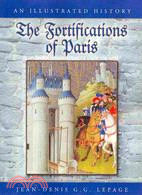
As a strategically located seat of European power, Paris was a prized target for invaders. Consequently, it was one of the world's most heavily fortified cities. Though many of the fortifications hav
This book describes and illustrates French fortifications from 1715 (the death of Louis XIV) to 1815 (the fall of Napoleon), focusing particularly on the Napoleonic era. After an historical backgroun
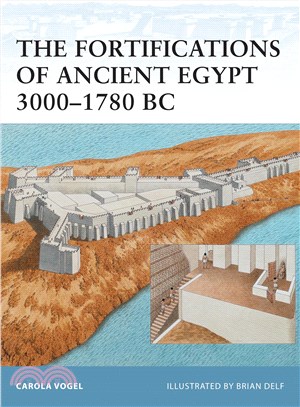
During the Old and Middle Kingdoms, Ancient Egypt led the world in the construction of fortifications. The oldest was discovered on Elephantine Island and dates to c.2900 BC. This book investigates ov
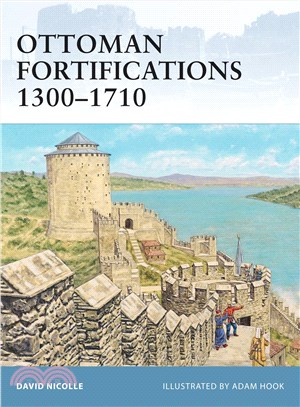
The Ottoman Empire encompassed many different architectural traditions, being the heir to both the Byzantine Empire and the medieval Middle East. From these, the Ottomans created a fusion of military
To maintain its imperial power in America, Spain built fortifications across the width of the continent. These outposts were established along Spanish borders from the late sixteenth century onwards
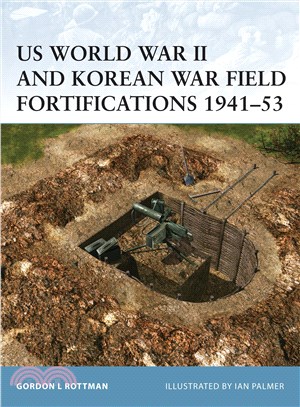
The US Army and Marine Corps in World War II considered themselves highly mobile, offensive forces. Their mobile-warfare doctrine envisioned field fortifications and obstacles as temporary in nature.
This book explores the global history of fortifications and the threats to them posed by siegecraft. Tracing the interaction of attack and defense over time, Black situates the evolution of fortificat
The Bar Lev Line along the Suez Canal was born out of the overwhelming victory of the Israel Defense Forces (IDF) in the Six Day War of 1967. Devastated by their defeat, the Egyptian army began a prol
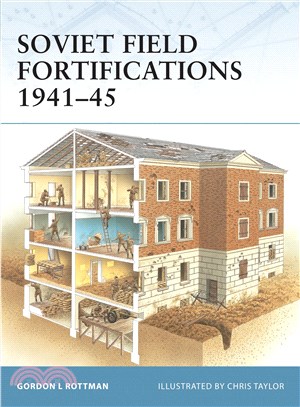
From June 1941, the Soviets were forced to undertake large-scale defensive operations in the face of the overwhelming German blitzkrieg assault, operations which ran counter to their preference for hi
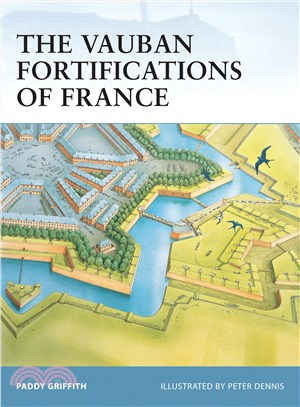
Vauban was the foremost military engineer of France during the period of its centralisation and wars of expansion in the 17th and 18th centuries. His influence persisted long after Waterloo, and his n
On 11 January 1879 the British Empire went to war with the independent kingdom of Zululand. The British anticipated a swift and decisive victory, placing great faith in modern firepower; no plans were
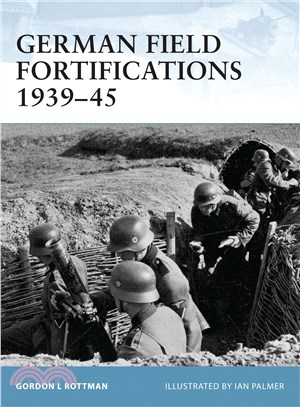
The German Army of World War II considered itself an offensive, mobile force. The experiences in the trenches in World War I had done much to shape its concept of field fortification, and its mobile w
Through intensive surveys of three fortifications in late Roman Greece, Frey reveals the untapped potential ofspolia in demonstrating the critical role played by non-elites in bringing about the archi
This book provides a detailed study of the fortifications of the founders of Ancient Israel from the time of their first settlement in the Middle East, through the periods of the united and divided ki
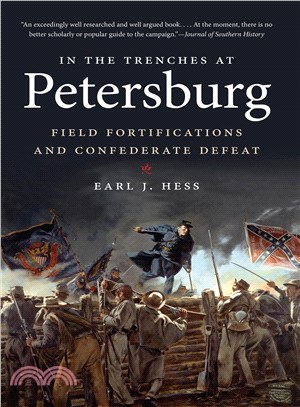
In the Trenches at Petersburg, the final volume of Earl J. Hess's trilogy of works on the fortifications of the Civil War, recounts the strategic and tactical operations around Petersburg during the l
The Mississippi River played a decisive role in the American Civil War. The Confederate fortifications that controlled the lower Mississippi valley were put to the test in the lengthy Federal campaign
The Battle of Verdun is one of the most well known and infamous battles in history. While the battle is remembered for acts of horror, bravery, and honor, it is also closely entwined with the ring of
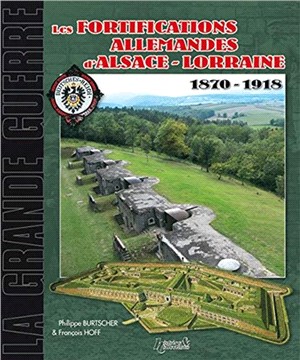
French TextAfter the defeat of 1870, Germany annexed the two districts of Alsace (except Belfort), the major part of Moselle and a part of Meurthe and Vosges, and prevented France from any attempt to