To many outsiders, mathematicians appear to think like computers, grimly grinding away with a strict formal logic and moving methodically--even algorithmically--from one black-and-white deduction to a
This book will get you thinking about thinking. We understand more about the brain than ever before and we also have more tools than ever before to help us think. This book will show you how your br
The future is here: Self-driving cars are on the streets, an algorithm gives you movie and TV recommendations, IBM's Watson triumphed on Jeopardy over puny human brains, and computer programs can be t
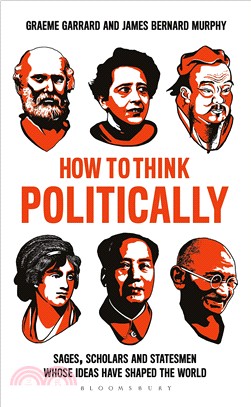
What is truly at stake in politics? Nothing less than how we should live, as individuals and as communities. This book goes beyond the surface headlines, the fake news and the hysteria to explore the
Contemporary art and curatorial work, and the institutions that house them, have often been centers of power, hierarchy, control, value, and discipline. Even the most progressive among them face the d
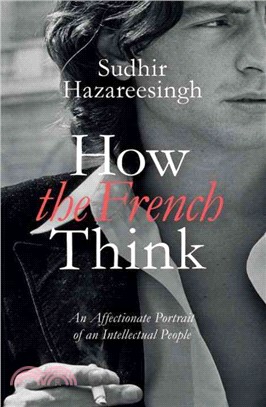
Sudhir Hazareesingh's How the French Think is a warm yet incisive exploration of the French intellectual tradition, and its exceptional place in a nation's identity and lifestyle. The French: orderly
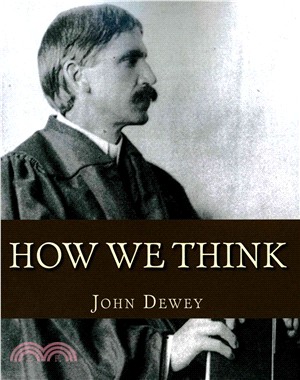
Our schools are troubled with a multiplication of studies, each in turn having its own multiplication of materials and principles. Our teachers find their tasks made heavier in that they have come to
Reginald Gibbons collects here a lifetime’s worth of thoughts on composing and translating poetry. Not a manifesto or a general theory of the lyric, rather, the book explores how a poem thinks: that i
Reginald Gibbons collects here a lifetime’s worth of thoughts on composing and translating poetry. Not a manifesto or a general theory of the lyric, rather, the book explores how a poem thinks: that i
Sudhir Hazareesingh's How the French Think is a warm yet incisive exploration of the French intellectual tradition, and its exceptional place in a nation's identity and lifestyle Why are the French an
First published in 1986 Mary Douglas’ theory of institutions uses the sociological theories of Emile Durkheim and Ludwig Fleck to determine not only how institutions think, but also the extent to whic