London and Seoul-based Korean artist Meekyoung Shin (b.1967) is internationally renowned for her sculptures that probe the mis- and re-translations that often emerge when objects of distinct cultural
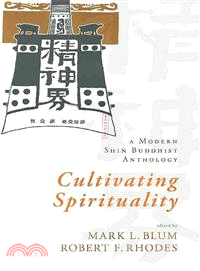
Interest in Buddhism continues to grow throughout North America, and more and more readers are moving beyond the familiar Zen and Tibetan traditions to examine other types of Buddhism. In Shin Buddhis
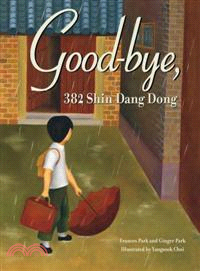
Jangmi, a young Korean girl, can?t bear the thought of leaving her home at 382 Shin Dang Dong and moving to America. At the good-bye party for her family, she and her friend Kisuni sit under the willo
In the early twentieth century The Eastern Buddhist not only shared in pioneering presentations of Buddhism to the west but invited interaction with non-Japanese authors. This interactive process incr
This book analyzes social aspects of Shin Buddhism (Jodo Shinshu), a mainstream Japanese religious tradition. The contributions collected here especially focus on the intersection between Shin Buddhis
This poetry book is a grain of seed in light of the poet’s longing for warm human nature, and of her effort to restore it; it also bears her love for paper.
In Shin Megami Tensei IV, samurai clash with demons and feudalism meets the futuristic in a post-apocalyptic world. Shin Megami Tensei IV: Official Artworks collects the gorgeous imagery behind this c
In his Heart of the Shin Buddhist Path, Takamaro Shigaraki examines Shin Buddhism anew as a practical path of spiritual growth and self-transformation, challenging assessments of the tradition as a pa
Shin Gi Tai's core message is taking personal responsibility for your own karate progress and your life. Discover how to make real progess as a student of a karate dojo. Shin (Spirit) explains the 'se
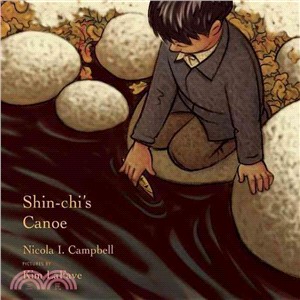
When they arrive at school, Shi-shi-etko reminds Shinchi, her six-year-old brother, that they can only use their English names and that they can't speak to each other. For Shinchi, life becomes an end
This collection brings together studies of the history, textual tradition, and contemporary interpretation of Shin Buddhism by leading scholars in the field of Pure Land Buddhist studies. The historic
Contemporary Shin Buddhism is characterized by the simultaneous presence of an almost radical aversion to a normative approach to ethics, a rich and multifaceted debate on ethical issues, and an inter
This is the first comprehensive collection of essays on Shin Buddhism by many of the most important Shin scholars and religious authorities of the last one hundred years.
Shin Sang-ok (1926–2006) was arguably the most important Korean filmmaker of the postwar era. Over seven decades, he directed or produced nearly 200 films, including A Flower in Hell (1958) and Pulgas
This work is the result of a lifetime of study, reflection, and most importantly direct ministry with ordinary laypeople. Rev. Yamaoka saw a gap between the emphasis on doctrine found in much minister
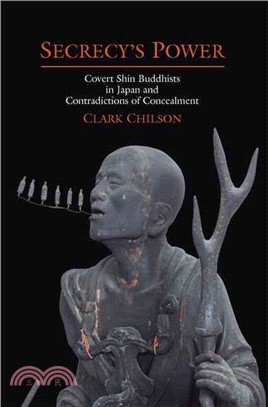
Shin Buddhism, focused on the love of the Amida Buddha, is popular in Japan. Those who study it do not usually think of it as a secret sect, or believe that secret Japanese Shin groups disappeared at
In the early twentieth century The Eastern Buddhist not only shared in pioneering presentations of Buddhism to the west but invited interaction with non-Japanese authors. This interactive process incr
The True Pure Land sect of Japanese Buddhism, or Shin Buddhism, grew out of the teachings of Shinran (1173–1262), a Tendai-trained monk who came to doubt the efficacy of that tradition in what he view