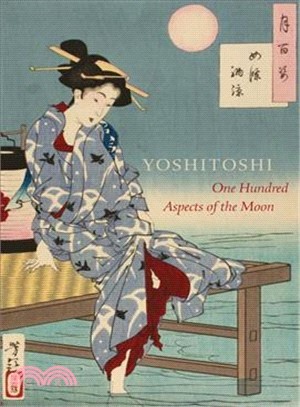
A beautiful facsimile edition of the last masterpiece of ukiyo-e Yoshitoshi (1839–1892) was the last virtuoso of the Japanese woodblock print, and the One Hundred Aspects of the Moon, published b
Influential into the present day for his inventive compositions, use of graphic designs, and innovative treatment of the figure, Yoshitoshi is one of Japan's foremost woodblock artists. Published in a
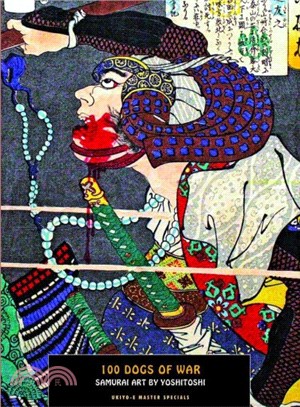
MUSHA-E ("warrior pictures") constitute one of the major and most dynamic sub-genres of ukiyo-e, the populist art of 19th century Japan.From Hokusai to Kyosai, virtually all of ukiyo-e's greatest arti
This art book showcases a wide collection of depictions of hell in Japanese art from the 12th century to the 19th century. The single-volume collection focuses primarily on works designated as Japanes
Taiso Yoshitoshi (1839-1892) was fascinated by the supernatural, and some of his best work concerns ghosts, monsters, and charming animal transmutations. Yoshitoshi’s strange tales presents two series
When the alien Mimics invade, Keiji Kiriya is just one of many recruits shoved into a suit of battle armor called a Jacket and sent out to kill. Keiji dies on the battlefield, only to be reborn each m
Tsukioka Yoshitoshi's triptychs and portrait series of the 1860s were predominatly musha-e ("warrior prints"), often with added mythological elements, and invariably drawn from Japanese military histo
Many of Japan's most famous artists — including Hiroshige, Hokusai, and Yoshitoshi — were fascinated by the spirit world. This colorful collection offers a supernatural selection of the best of their
Japanese Ukiyo-e master Tsukioka Yoshitoshi (1839-1892) is considered by many to be Japan's last great woodblock artist, and his final work, the series One Hundred Aspects of the Moon, is regarded as