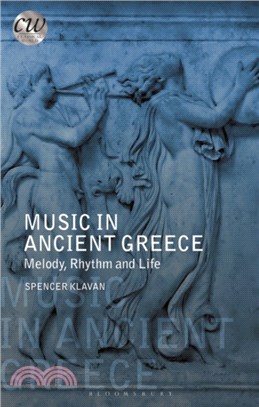
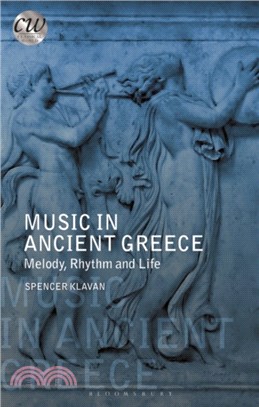
Life in ancient Greece was musical life. Soloists competed onstage for popular accolades, becoming centrepieces for cultural conversation and even leading Plato to recommend that certain forms of musi
Life in ancient Greece was musical life. Soloists competed onstage for popular accolades, becoming centrepieces for cultural conversation and even leading Plato to recommend that certain forms of musi
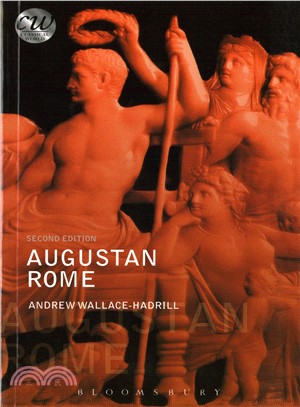
Written by Andrew Wallace-Hadrill, one of the world's foremost scholars on Roman social and cultural history, this introduction to Rome in the Age of Augustus provides a fascinating insight into the s
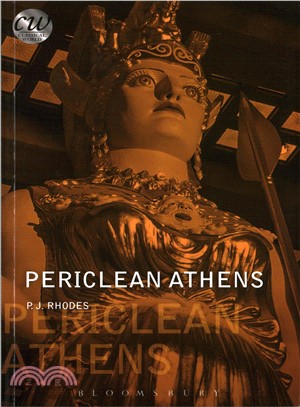
In the second and third quarters of the fifth century BC, when Athens became both politically and culturally dominant in the Greek world, Pericles was the leading figure in the city's public life. At
For two centuries classical Athens enjoyed almost uninterrupted democratic government. This was not a parliamentary democracy of the modern sort but a direct democracy in which all citizens were free
The emphasis throughout this book, ideal for sixth form and early university students, is on Sophocles' tragic thinking, on the concept of the 'Sophoclean hero', and on the dramatic structure of the p
Over the past decades there has been something of a revolution in the way we view classical drama generally and Euripides in particular. This book, updated in a second edition, reflects that revolutio
The latest volume in the Classical World series, this book offers a much-needed up-to-date introduction to Greek tragedy, and covers the most important thematic topics studied at school or university
This excellent introduction to the six extant plays of Aeschylus is fully revised and updated, with additional further reading, ideal for the student unfamiliar with these earliest of Greek tragedies.
The Latin poet Ovid was famously exiled by the Emperor Augustus to the shores of the Black Sea for his self-confessed crimes of 'a poem and a mistake'. Throughout his poetry, he discusses his exile an
This authoritative short volume introduces readers to the Roman army, its structure, tactics, duties and development. One of the most successful fighting forces that the world has seen, the Roman army
A curator of classical antiquities at National Museums Liverpool, Muskett introduces Greek sculpture from the eighth to the second century BC, focusing on the use of sculpture by those who commissione
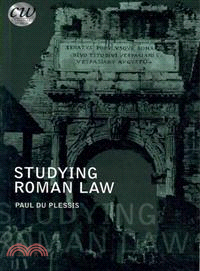
Du Plessis (U. of Edinburgh School of Law, Scotland) provides a non-specialist audience with a basic overview of Roman private law during the first three centuries of the Common Era. After describing
Allan (classics, U. College, Oxford) introduces the ancient Greek epic poem to undergraduate students of Greek or classical civilization, to other students of literature and history, and to general re
Woolmer (classics and ancient history, Durham U.) introduces Ancient Phoenicia, one of the most influential societies in the Mediterranean. He provides readers with information on society, government,
This well established series explores the culture and achievement of the civilisations of Greece and Rome. Designed specifically for students and teachers of Classical Civilisation at late school and
This well established series explores the culture and achievement of the civilisations of Greece and Rome. Designed specifically for students and teachers of Classical Civilisation at late school and
This introduction to ancient medical systems asks how the experience of illness and the role of medicine were understood in the Greek and Roman worlds. Covering topics such as the development of anato
This book takes as its starting-point the images of women in the Parthenon sculptures, in order to investigate two levels of feminine experience in Classical Athens, the human and the divine. The inte
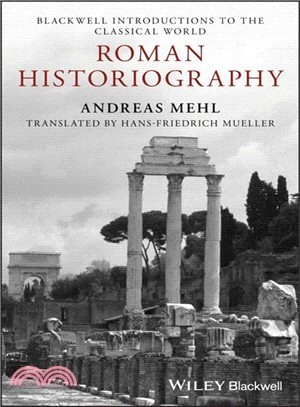
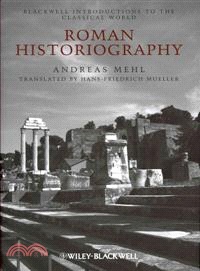
Roman Historiography: An Introduction to its Basic Aspects and Development presents a comprehensive introduction to the development of Roman historical writings in both Greek and Latin, from the early
Roman Historiography: An Introduction to its Basic Aspects and Development presents a comprehensive introduction to the development of Roman historical writings in both Greek and Latin, from the early
This book provides a unique and accessible introduction to the complete works of Ovid. Using a thematic approach, Volk lays out what we know about Ovid's life, presents the author's works within their
Ancient Epic offers a comprehensive and accessible introduction to six of the greatest ancient epics – Homer's Iliad and Odyssey, Vergil's Aeneid, Ovid's Metamorphoses, and Apollonius of Rhodes' Agona
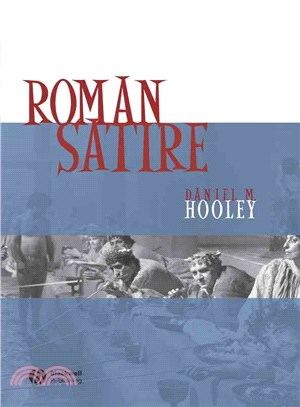
This compact and critically up-to-date introduction to Roman satire examines the development of the genre, focusing particularly on the literary and social functionality of satire. It considers why i
This book introduces students to the chief disciplines, methods and sources employed in 'doing' ancient history, as opposed to 'reading' it. The book:Encourages readers to engage with historical sourc