"It's July 1863. The Civil War is at a turning point. The Confederacy has won some important battles, despite having fewer soldiers and resources than the Union does. The two great armies are marching
Should animal testing be banned? Is animal testing necessary to save human lives? Or is it too cruel to animals? Perspectives Flip Books are like two books in one: Start from one end and learn why som
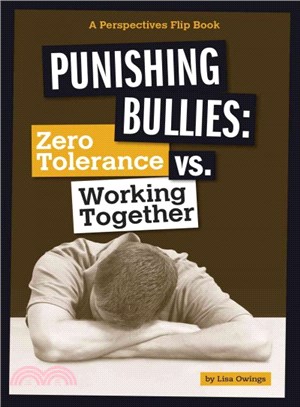
Bullying is common in schools across the country, but what can we do to stop it? Are school punishments and new laws the answer? Or can other responses stop bullying? Perspectives Flip Books are like
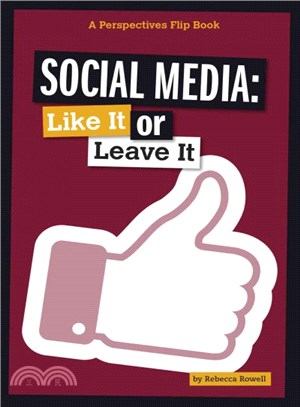
Social media is everywhere in society today. It can be a great tool for communication--but it is easily abused. Should you craft a careful social media presence? Or is it better to just stay away? Per
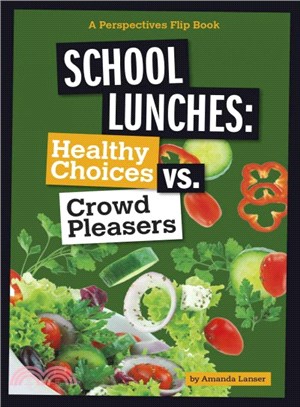
Childhood obesity is a worsening problem across the country. Will mandating that schools serve healthier lunches help control the problem? Or should children and their parents have the right to choose
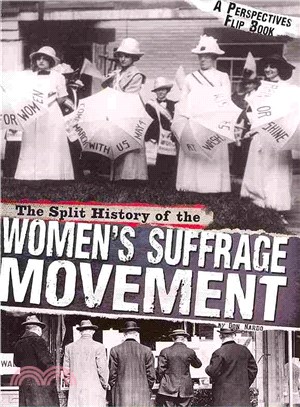
"In the 1950s, a black man in the South was expected to lower his eyes when he passed a white man on the street. African-American and white citizens attended separate schools, restaurants, and parks.
Describes the Allied landings in Normandy, France, that began on June 6, 1944, known as "D-Day," and the events that followed from the opposing viewpoints of the Allies and the Germans.
Describes the siege and fall of Fort Sumter in the harbor of Charleston, South Carolina from the opposing viewpoints of Union and Confederate supporters.
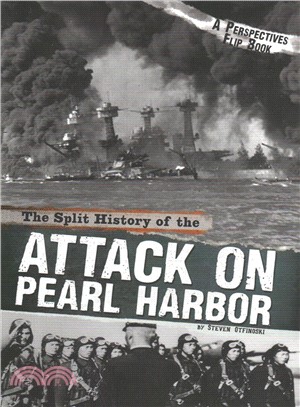
Describes the Japanese attack on Pearl Harbor, Hawaii, that began active American involvement in World War II from the opposing viewpoints of the United States and Japan.