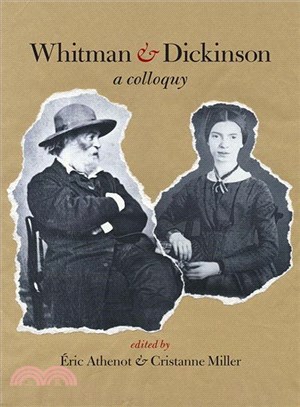
Whitman & Dickinson is the first collection to bring together original essays by European and North American scholars directly linking the poetry and ideas of Walt Whitman and Emily Dickinson. The ess
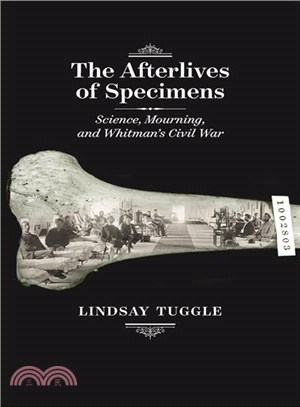
The Afterlives of Specimens explores the space between science and sentiment, the historical moment when the human cadaver became both lost love object and subject of anatomical violence. Walt Whitman
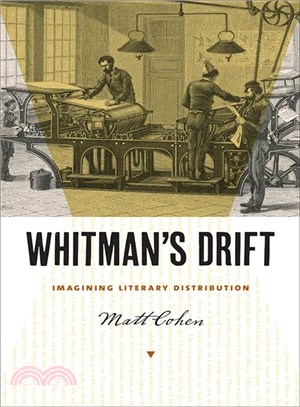
The American nineteenth century witnessed a media explosion unprecedented in human history. New communications technologies seemed to be everywhere, offering opportunities and threats that seem powerf
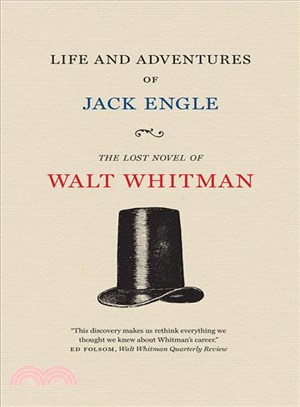
In 1852, young Walt Whitman—a down-on-his-luck housebuilder in Brooklyn—was hard at work writing two books. One would become one of the most famous volumes of poetry in American history, a free-verse
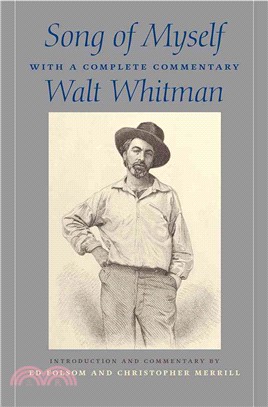
This book offers the most comprehensive and detailed reading to date of Song of Myself.?One of the most distinguished critics in Whitman Studies, Ed Folsom, and one of the nation’s most prominent writ
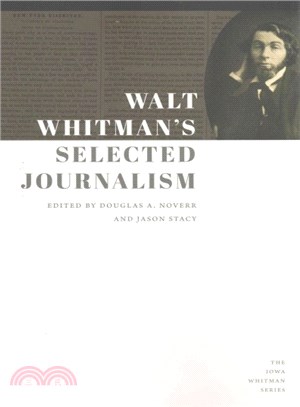
Long before he was a celebrated poet, Walt Whitman was a working journalist. By the time he published the first edition ofLeaves of Grass in 1855, Whitman had edited three newspapers and published tho
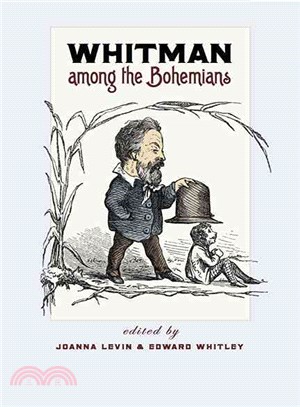
For several years just before and just after his 1860 edition of Leaves of Grass appeared, Walt Whitman regularly frequented Pfaff’s beer cellar in downtown Manhattan. The basement bar was the very ce
Emily Dickinson and Walt Whitman are widely acknowledged as two of America’s foremost nature poets, primarily due to their explorations of natural phenomena as evocative symbols for cultural developme
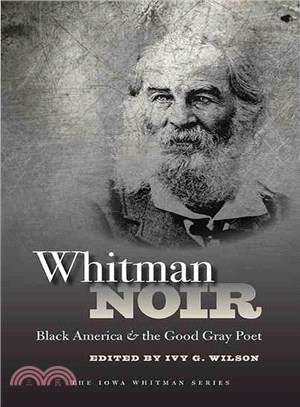
Walt Whitman’s now-famous maxim about ?containing the multitudes” has often been understood as a metaphor for the democratizing impulses of the young American nation. But did these impulses extend acr
Focusing on actual publications by Whitman rather than those about him, Joel Myerson’s painstakingly compiled supplement to his 1993 Walt Whitman: A Descriptive Bibliography (Oak Knoll, ISBN 0-82293-7
In his 1859 “Live Oak, with Moss,” Walt Whitman’s unpublished sheaf of twelve poems on manly passion, the poet dreams of a city where men who love men can live and love openly. The revised “Live Oak,
In May 1860, Walt Whitman published a third edition of Leaves of Grass. His timing was compelling. Printed during a period of regional, ideological, and political divisions, written by a poet intimate