In Elf Queens and Holy Friars Richard Firth Green investigates an important aspect of medieval culture that has been largely ignored by modern literary scholarship: the omnipresent belief in fairyland
In the thirteenth century, Paris was the largest city in Western Europe, the royal capital of France, and the seat of one of Europe's most important universities. In this vibrant and cosmopolitan city
Despite all recent challenges to stage-oriented histories, the idea of a division between a "medieval" and a "modern" period has survived, even flourished, in academia. Periodization and Sovereignty d
In 1384, a poor and illiterate peasant woman named Ermine moved to the city of Reims with her elderly husband. Her era was troubled by war, plague, and schism within the Catholic Church, and Ermine co
Did you hear the one about the newlywed who rushes off for legal advice before the honeymoon is over? Or the husbands who arrange for an enormous tub in which to cure their sugary wives with a pinch o
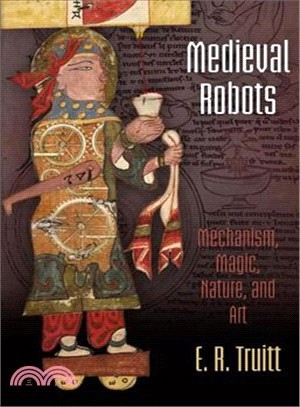
A thousand years before Isaac Asimov set down his Three Laws of Robotics, real and imagined automata appeared in European courts, liturgies, and literary texts. Medieval robots took such forms as talk
Nine hundred years ago in Paris, a teacher and his brilliant female student fell in love and chronicled their affair in a passionate correspondence. Their 116 surviving letters, some whole and some fr
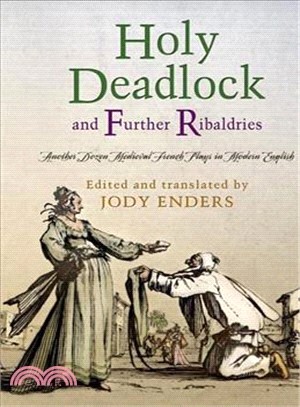
Was there more to medieval and Renaissance comedy than Chaucer and Shakespeare? Bien sur. For a real taste of saucy early European humor, one must cross the Channel to France. There, in the fifteenth
Stephen A. Mitchell here offers the fullest examination available of witchcraft in late medieval Scandinavia. He focuses on those people believed to be able—and who in some instances thought themselve
In the year 726 C.E., the Byzantine emperor Leo III issued an edict declaring images to be idols, forbidden by Exodus, and ordering all such images in churches to be destroyed. Thus commenced the firs
Paris in the Middle Ages was home to royalty, mountebanks, Knights Templar, merchants, prostitutes, and canons. Bursting outward from the encompassing wall, it was Europe's largest, most cosmopolitan
Clothing was used in the Middle Ages to mark religious, military, and chivalric orders, lepers, and prostitutes. The ostentatious display of luxury dress more specifically served as a means of self-de
The popular image of the Viking as a horn-helmeted berserker plying the ocean in a dragon-headed long boat is firmly fixed in history. Imagining Viking "conquerors" as much more numerous, technologica
William Langland's Piers Plowman is one of the major poetic monuments of medieval England and of world literature. Probably composed between 1372 and 1389, the poem survives in three distinct versions
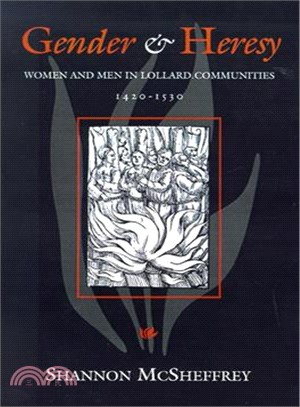
Shannon McSheffrey studies the communities of the late medieval English heretics, the Lollards, and presents unexpected conclusions about the precise ways in which gender shaped participation within t
The miracle stories surrounding Sainte Foy form one of the most complete sets of material relating to a medieval saint's cult and its practices. Pamela Sheingorn's superb translation from the Medieval
Theodore Evergates has assembled, translated, and annotated some two hundred documents from the country of Champagne into a sourcebook that focuses on the political, economic, and legal workings of a
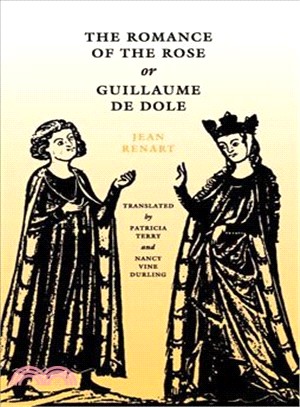
The author of at least two noteworthy romances of the early thirteenth century,Le Roman de la Rose or Guillaume de Dole and L'Escoufle (The Kite), as well asLe Lai de l'Ombre, Jean Renart is today rec
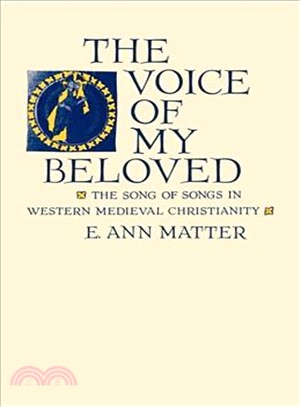
The Song of Songs, eight chapters of love lyrics found in the collection of wisdom literature attributed to Solomon, is the most enigmatic book of the Bible. For thousands of years Jews and Christians
James M. Powell here offers a new interpretation of the Fifth Crusade's historical and social impact, and a richly rewarding view of life in the thirteenth century. Powell addresses such questions as
"Gives the reader a portrayal of the social institutions of a Germanic people far richer and more exhaustive than any other available source."—from the Foreword, by Edward PetersFrom the bloody clashe