During the years leading up to her marriage with Leonard Woolf in 1912, the year in which she finished The Voyage Out and sent it to be published by her cousin at Duckworth’s, the future Virgini
How to Live, What to Do is an indispensable introduction to and guide through the work of a poet equal in power and sensibility to Shakespeare and Milton. Like them, Stevens shaped a new language, fas
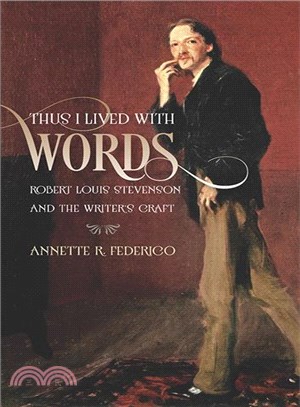
Robert Louis Stevenson (1850–1894) loved more than anything to talk about the craft of writing and the pleasure of reading good books. His dedication to the creative impulse manifests itself in the ex
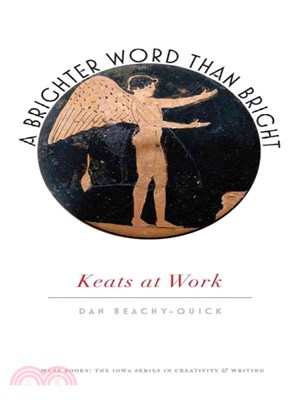
The Romantic poet John Keats, considered by many as one of the greatest poets in the English language, has long been the subject of attention from scholars who seek to understand him and poets who see
Writing was the central passion of Emerson’s life. While his thoughts on the craft are well developed in “The Poet,” “The American Scholar,”Nature, “Goethe,” and “Persian Poetry,” less well known are
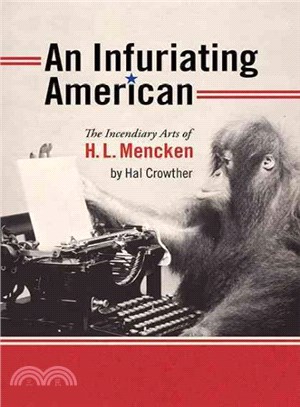
As American journalism shape-shifts into multimedia pandemonium and seems to diminish rapidly in influence and integrity, the controversial career of H. L. Mencken, the most powerful individual journa
"The story of Wordsworth becoming Wordsworth by writing the fragments and drafts of what would become The Prelude, a personal poem addressed to Coleridge that he kept hidden from the public until his
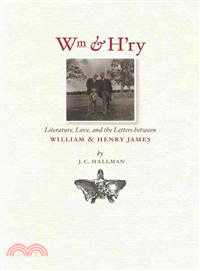
Readers generally know only one of the two famous James brothers. Literary types know Henry James; psychologists, philosophers, and religion scholars know William James. In reality, the brothers’ mind
For William Blake, living is creating, conforming is death, and “the imagination . . . is the Human Existence itself.” But why are imagination and creation—so vital for Blake—essential for becoming hu