Contents: I. Eidos. II. Demon and Eros. III. Beyond Being. IV. The Academy. V. The Written Work. VI. Socrates in Plato. VII. Irony. VIII. Dialogue. IX. Myth. X. Intuition and Construction. XI. Alethci
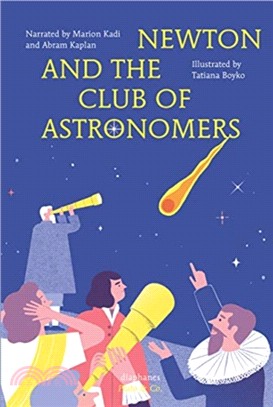
We know Isaac Newton as a brilliant polymath, inventor of the calculus and the person who first began to suss out the fundamental laws of physics. But in this delightful account of his life and though
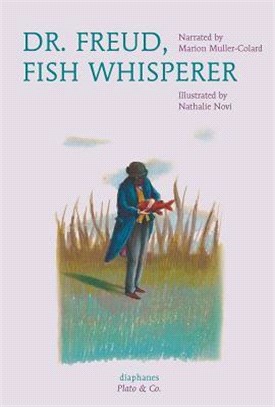
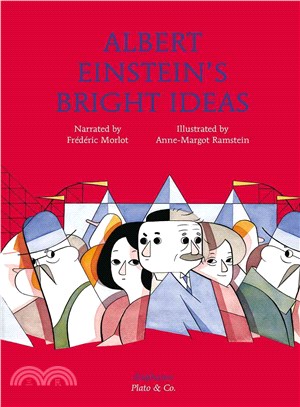
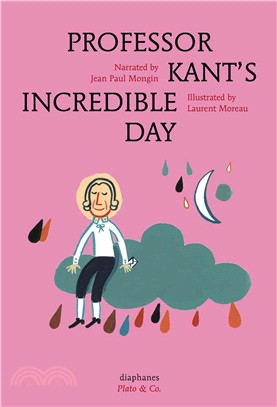
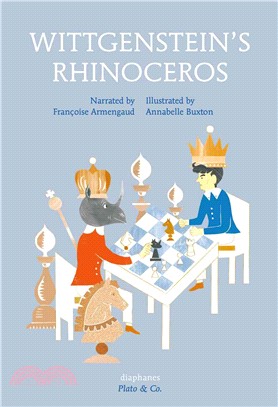
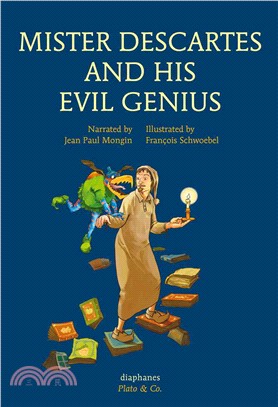
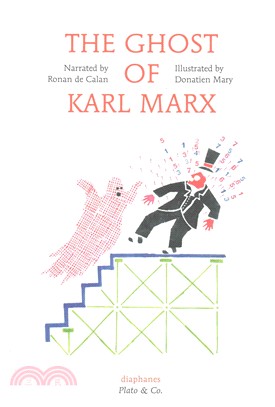
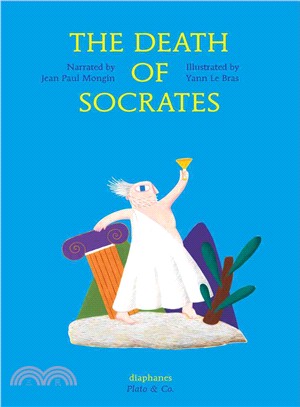
At its most basic, philosophy is about learning how to think about the world around us. It should come as no surprise, then, that children make excellent philosophers! Naturally inquisitive, pint-size
At its most basic, philosophy is about learning how to think about the world around us. It should come as no surprise, then, that children make excellent philosophers! Naturally inquisitive, pint-size
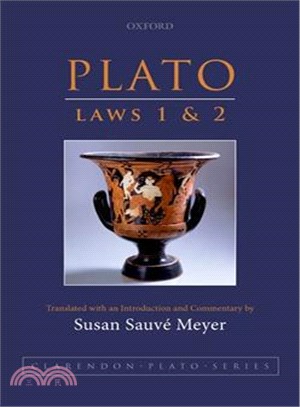
Susan Sauvé Meyer presents a new translation of Plato's Laws, 1 and 2. In these opening books of Plato's last work, a Cretan, a Spartan, and an Athenian discuss legislative theory, moral psychology, a
At its most basic, philosophy is about learning how to think about the world around us. It should come as no surprise, then, that children make excellent philosophers! Naturally inquisitive, pint-size
At its most basic, philosophy is about learning how to think about the world around us. It should come as no surprise, then, that children make excellent philosophers! Naturally inquisitive, pint-size
At its most basic, philosophy is about learning how to think about the world around us. It should come as no surprise, then, that children make excellent philosophers! Naturally inquisitive, pint-size
At its most basic, philosophy is about learning how to think about the world around us. It should come as no surprise, then, that children make excellent philosophers! Naturally inquisitive, pint-si
At its most basic, philosophy is about learning how to think about the world around us. It should come as no surprise, then, that children make excellent philosophers! Naturally inquisitive, pint-size
Allegory of the Cave – Plato - The Allegory of the Cave was presented by the Greek philosopher Plato in his work the Republic to compare "the effect of education and the lack of it on our nature". It
At its most basic, philosophy is about learning how to think about the world around us. It should come as no surprise, then, that children make excellent philosophers! Plato & Co. introduces child
At its most basic, philosophy is about learning how to think about the world around us. It should come as no surprise, then, that children make excellent philosophers! Plato & Co. introduces child
Susan Sauve Meyer presents a new translation of Plato's Laws, 1 and 2. In these opening books of Plato's last work, a Cretan, a Spartan, and an Athenian discuss legislative theory, moral psychology, a
At its most basic, philosophy is about learning how to think about the world around us. It should come as no surprise, then, that children make excellent philosophers! Naturally inquisitive, pint-size
At its most basic, philosophy is about learning how to think about the world around us. It should come as no surprise, then, that children make excellent philosophers! Naturally inquisitive, pint-size
Thinking, Knowing, Acting: Epistemology and Ethics in Plato and Ancient Platonism aims to offer a fresh perspective on the correlation between epistemology and ethics in Plato and the Platonic traditi
In The Gatekeeper: Narrative Voice in Plato’s Dialogues Margalit Finkelberg offers the first narratological analysis of all of Plato’s transmitted dialogues. The book explores the dialogues as works o
Le plaisir à l’épreuve de la pensée explores the idea of pleasure having to undergo philosophical logos in the Protagoras, the Gorgias and the Philebus.
In addition to its interest as one of Plato's most brilliant dramatic masterpieces, theProtagoras presents a vivid picture of the crisis of fifth century Greek thought, in which traditional values and
This initial volume in a series of new translations of Plato’s works includes a general introduction and interpretive comments for the dialogues translated: the Euthyphro, Apology, Crito, Meno, Gorgia
The Gorgias is a vivid introduction to central problems of moral and political philosophy. In answer to an eloquent attack on morality as conspiration of the weak against the strong, Plato develops hi
Did Plato abandon, or sharply modify, the Theory of Forms in later life? In the Phaedo, Symposium, and Republic it is generally agreed that Plato held that universals exist. But in Parmenides, he subj
This book provides an introduction to Plato’s work that gives a clear statement of what Plato has to say about the problems of thought and life. In particular, it tells the reader just what Plato says
Plato was born around 2,500 years ago. He lived in a small city-state in Greece and busied himself with the problems of his fellow Greeks, a people living in scattered cities around the Mediterranean
This book provides a clear and informed account of aesthetic and callistic concepts as they occur in the works of Plato and Aristotle. The author illustrates their ideas on art and beauty by close ref
Plato’s Timaeus was his only cosmological dialogue and for almost thirteen hundred years it provided the basis in the West for educated people’s general view of the natural world. The author provides
Did Plato abandon, or sharply modify, the Theory of Forms in later life? In the Phaedo, Symposium, and Republic it is generally agreed that Plato held that universals exist. But in Parmenides, he subj
Ian Crombie’s impressive volumes provide a comprehensive interpretation of Plato’s doctrines. Volume 2 deals with more technical philosophical topics, including the theory of knowledge, philosophy of
Plato’s Euthyphro is important because it gives an excellent example of Socratic dialogue in operation and of the connection of that dialectic with Plato’s earlier theory of Forms. Professor Allen’s e
This volume provides a comprehensive, learned and lively presentation of the whole range of Plato’s thought but with a particular emphasis upon how Plato developed his metaphysics with a view to suppo
The Philebus is hard to reconcile with standard interpretations of Plato’s philosophy and in this pioneering work Donald Davidson, seeks to take the Philebus at face value and to reassess Plato’s late
Studies of Plato’s metaphysics have tended to emphasise either the radical change between the early Theory of Forms and the late doctrines of the Timaeus and the Sophist, or to insist on a unity of ap
This book provides a clear and informed account of aesthetic and callistic concepts as they occur in the works of Plato and Aristotle. The author illustrates their ideas on art and beauty by close ref
Plato was born around 2,500 years ago. He lived in a small city-state in Greece and busied himself with the problems of his fellow Greeks, a people living in scattered cities around the Mediterranean
Edward Urwick’s original work draws upon Plato’s best known work, the Republic, to provide a new interpretation of Plato’s teaching based upon Indian religious thought. Most scholars have sought to in