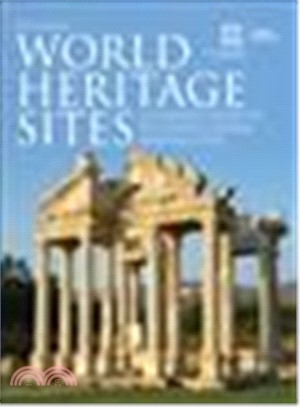
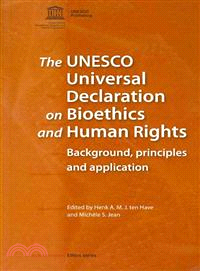
Updated to include two years of changes in the World Heritage Sites list. World Heritage Sites are designated by UNESCO which judges them under strict criteria with a view to the aim that they ref
This book explores the international legal framework developed by UNESCO to identify and protect world heritage and its implementation at the national level. Drawing on close policy analysis of UNESCO
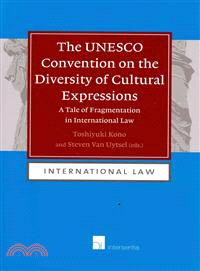
The 2005 UNESCO Convention on Cultural Diversity is a landmark agreement in modern international law of culture. It reflects the diverse and pluralist understanding of culture, as well as its growing
This book fills a gap in the literature on how the UNESCO Convention for the Protection and Promotion of the Diversity of Cultural Expressions positions itself within the bigger field of public intern
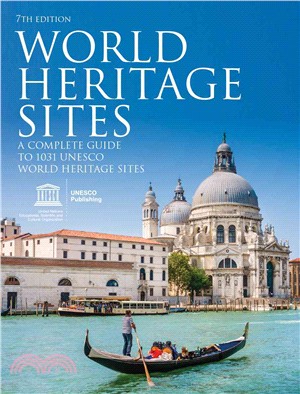
Updated for 2012, this guide fully describes every official UNESCO World Heritage site. In 1959, UNESCO launched an international campaign to safeguard the world's most important cultural, natural
The World Heritage Regime offers the first detailed analysis of the way the UNESCO World Heritage Convention of 1972 has been implemented. It examines multiple aspects of the UNESCO World Heritage reg
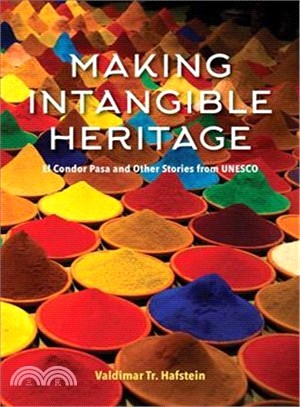
In Making Intangible Heritage, Valdimar Tr. Hafstein—folklorist and official delegate to UNESCO—tells the story of UNESCO’s Intangible Heritage Convention. In the ethnographic tradition, Hafstein peer
In Making Intangible Heritage, Valdimar Tr. Hafstein—folklorist and official delegate to UNESCO—tells the story of UNESCO’s Intangible Heritage Convention. In the ethnographic tradition, Hafstein peer
Reviews of previous editions: "No school, public, or academic library could go wrong including the very affordable World Heritage Sites in both reference and circulating collections." -- Booklis
The mission of the United Nations Educational, Scientific and Cultural Organization (UNESCO), as defined just after the end of World War II, is to construct intellectual and moral solidarity in order
Southeast Asia’s 36 UNESCO World Heritage Sites make a significant contribution to their respective country’s national prestige and identity, international profile and tourism development plans. Yet,
Southeast Asia’s 36 UNESCO World Heritage Sites make a significant contribution to their respective country’s national prestige and identity, international profile and tourism development plans. Yet,
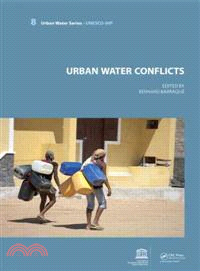
Urban water conflicts manifested first in Europe in the 19th century and are observed nowadays in various forms throughout the world; in particular, in developing countries. Main causes of these confl
UNESCO-IHE PhD ThesisIn this work, several modelling approaches are explored to represent spatial pattern dynamics of aquatic populations in aquatic ecosystems by the combination of models, knowledge
This book engages globalization in its complexity, one in which economy, politics, society, culture, environment, history, and technology combine to make places at multiple scales. Rooted theoreticall
"No school, public, or academic library could go wrong including the very affordable World Heritage Sites in both reference and circulating collections." -- BooklistIn 1959, UNESCO launched an intern