Lincoln at Cooper Union explores Lincoln's most influential and widely reported pre-presidential address -- an extraordinary appeal by the western politician to the eastern elite that propelled him t
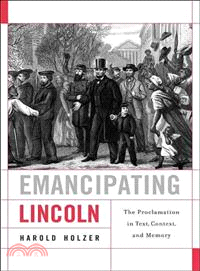
Emancipating Lincoln seeks a new approach to the Emancipation Proclamation, a foundational text of American liberty that in recent years has been subject to woeful misinterpretation. These seventeen h
In A Just and Generous Nation, the eminent historian Harold Holzer and the noted economist Norton Garfinkle present a groundbreaking new account of the beliefs that inspired our sixteenth president to
In A Just and Generous Nation, the eminent historian Harold Holzer and the noted economist Norton Garfinkle present a groundbreaking new account of the beliefs that inspired our sixteenth president to
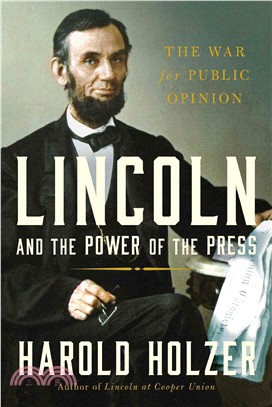
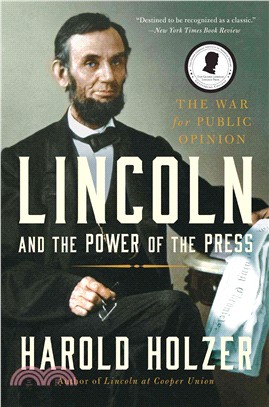
“Lincoln believed that ‘with public sentiment nothing can fail; without it, nothing can succeed.’ Harold Holzer makes a significant contribution to our understanding of Lincoln’s leadership by showing
“Lincoln believed that ‘with public sentiment nothing can fail; without it, nothing can succeed.’ Harold Holzer makes a significant contribution to our understanding of Lincoln’s leadership by showing
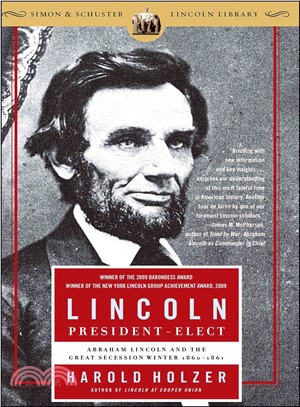
One of our most eminent Lincoln scholars, winner of a Lincoln Prize for his Lincoln at Cooper Union, examines the four months between Lincoln's election and inauguration, when the president-elect mad
A new book—and companion to the Steven Spielberg film—tracing how Abraham Lincoln came to view slavery...and came to end it.Steven Spielberg focused his movie Lincoln on the sixteenth president's tumu
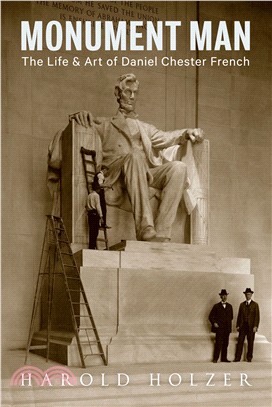
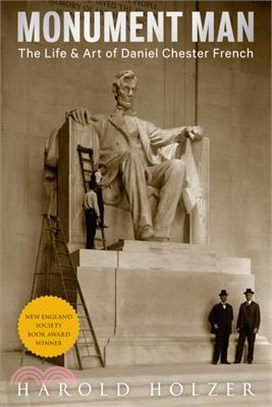
The artist who created the statue for the Lincoln Memorial, John Harvard in Harvard Yard, and The Minute Man in Concord, Massachusetts, Daniel Chester French (1850–1931) is America's best-known
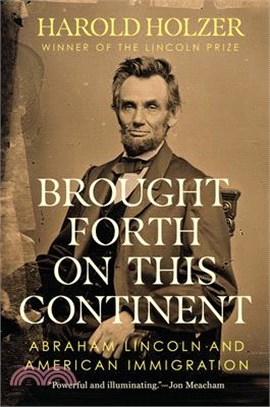
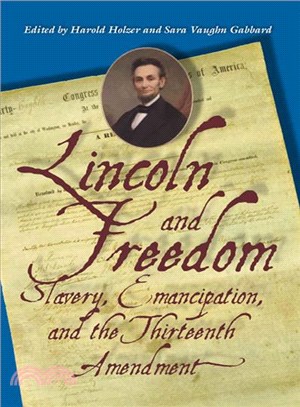
How did President Abraham Lincoln come to believe that slavery was "morally wrong," and that Congress needed to pass a law to abolish it once and for all? What did he do in January 1865—three months b
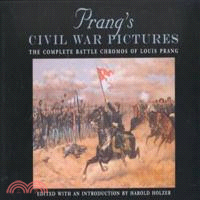
During the 1880s, a German-born, Boston-based picture publisher successfully commissioned the most ambitious series of battle prints ever published. Louis Prang, best known as the father of the Christ
During his four years in the White House, Abraham Lincoln received between 250 and 500 letters a day—not only correspondence from public officials, political allies, and military leaders but fr
In A Just and Generous Nation, the eminent historian Harold Holzer and the noted economist Norton Garfinkle present a groundbreaking new account of the beliefs that inspired our sixteenth president to
To commemorate the 150th anniversary of President Lincoln's assassination, one of the country's leading authorities on Lincoln and the political culture of the Civil War era recreates one of the most
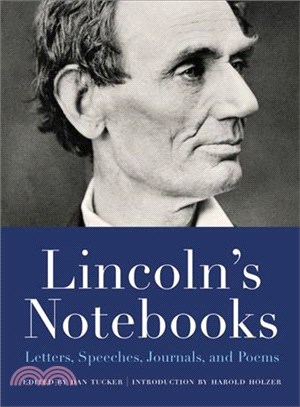
The latest volume in Black Dog & Leventhal's notebook series features a rich selection of the public and private letters, notes, telegrams, speeches, eulogies, proposals, debate transcriptions, an
Sifting through letters, diary entries, books, and speeches for information about Lincoln the man, the author unearthed evidence that he was a terrible dresser, loved baudy jokes and stories, and was
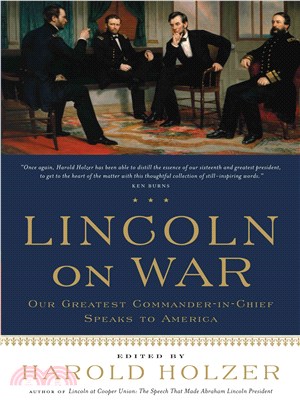
President Lincoln used his own weapons--his words--to fight the Civil War as brilliantly as any general who ever took the field. In Lincoln on War, historian Harold Holzer gathers and interprets Linco
As president, Abraham Lincoln received between two hundred and five hundred letters a day?correspondence from public officials, political allies, and military leaders, as well as letters from ordinary
During the Civil War, Americans felt themselves to be on intimate terms with their commander in chief, sending President Abraham Lincoln between two hundred and five hundred pieces of mail every day—l
The seven debates between Abraham Lincoln and Stephen Douglas held during the Illinois senatorial race of 1858 are among the most important in American history. Classics of political rhetoric, the deb
Lincoln at Cooper Union explores Lincoln's most influential and widely reported pre-presidential address, which propelled him toward the Republican nomination for president. The Cooper Union speech di
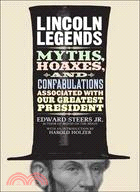
In the more than 140 years since his death, Abraham Lincoln has become America’s most revered president. The mythmaking about this self-made man began early, some of it starting during his camp
Chronicling the private lives of the Lincolns through their personal photographic collection The Lincoln Family Album offers a rare and revealing glimpse into the private life of Abraham Lincoln and t
Lincoln at Cooper Union explores Lincoln's most influential and widely reported pre-presidential address—an extraordinary appeal by the western politician to the eastern elite that propelled him towar
On the occasion of the 200th anniversary of Abraham Lincoln’s birth and in conjunction with the Library of Congress 2009 Bicentennial Exhibition, In Lincoln’s Hand offers an unprecedented look at perh
Across the country, in the middle of busy city squares and hidden on quiet streets, there are nearly 200 statues erected in memory of Abraham Lincoln. No other American has ever been so widely commemo
In the more than 140 years since his death, Abraham Lincoln has become America’s most revered president. The mythmaking about this self-made man began early, some of it starting during his camp
Lincoln’s reelection in 1864 was a pivotal moment in the history of the United States. The Emancipation Proclamation had officially gone into effect on January 1, 1863, and the proposed Thirtee
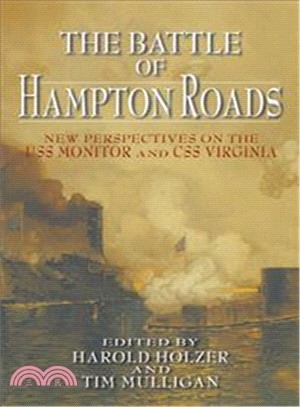
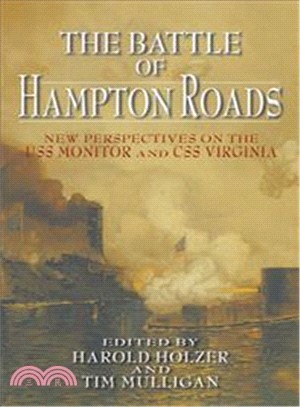
On March 8 and 9, 1862, a sea battle off the Virginia coast changed naval warfare forever. It began when the Confederate States Navy's CSS Virginia led a task force to break the Union blockade of Hamp
Each year, hundreds of scholars and other enthusiasts mark the anniversary of the Gettysburg Address by gathering together in Gettysburg, Pennsylvania for the Lincoln Forum. There, leading historians
On March 8 and 9, 1862, a sea battle off the Virginia coast changed naval warfare forever. It began when the Confederate States Navy's CSS Virginia led a task force to break the Union blockade of Ham
The parents and widow of Lou Gehrig were so concerned about the potential desecration of his grave that they considered moving his ashes to the Hall of Fame. Officials embraced the idea of creating a
This unique and beautiful book captures an overlooked but vital aspect of Lincoln: his face. While he was known as an ugly man, and he even joked about that reputation, Lincoln's contemporaries often