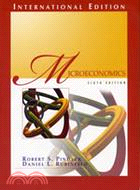
An Applied Approach To MicroThis text incorporates over 100 real-world examples into the flow of the text, rather than as segregated boxed features. These examples highlight the application of microec
For courses in intermediate microeconomics, microeconomic theory, price theory, and managerial economics, Pindyck/Rubinfeld’s Microeconomics 6e is the Intermediate Micro text that uses vivid and excit
Emoticoncert follows intensities and absences across different bodies and scales. Broken up into musical “movements,” each section serves as its own composition. As a whole, the book works as a concer
Microeconomics: An Asian Perspective, is written to show students how microeconomics can be used as a practical tool for decision-making in various aspects of life. The book provides a treatment of mi
This book discusses the characteristics of the demand for energy -- its response overtime to changes in prices and in levels of economic activity and the role that energy plays as aconsumption good an
NOTE: Before purchasing, check with your instructor to ensure you select the correct ISBN. Several versions of Pearson's MyLab & Mastering products exist for each title, and registrations are not tran
NOTE: This edition features the same content as the traditional text in a convenient, three-hole-punched, loose-leaf version. Books a la Carte also offer a great value; this format costs significantly
NOTE: Before purchasing, check with your instructor to ensure you select the correct ISBN. Several versions of Pearson's MyLab & Mastering products exist for each title, and registrations are not
NOTE: This edition features the same content as the traditional text in a convenient, three-hole-punched, loose-leaf version. Student Value Editions also offer a great value; this format cos
Microeconomicsexposes students to topics that play a central role in microeconomics. From game theory and competitive strategy, to the roles of uncertainty and information, and the analysis of pricing
How should firms decide whether and when to invest in new capital equipment, additions to their workforce, or the development of new products? Why have traditional economic models of investment faile