This volume tracks the crucial role of Reiner Schürmann’s engagement with the work of Michel Foucault between 1983 and 1991. Drawing on Foucault’s highly original reading of the philo
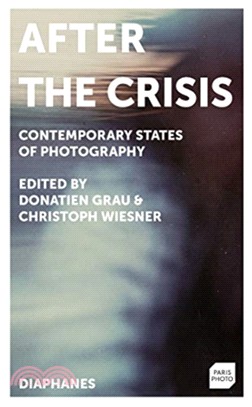
After the Crisis offers a platform for discussions between some of today's leading artists, writers, theorists, curators, and historians aimed at questioning the very status of photography today. Cont
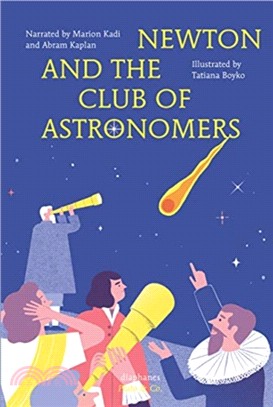
We know Isaac Newton as a brilliant polymath, inventor of the calculus and the person who first began to suss out the fundamental laws of physics. But in this delightful account of his life and though
Sergei Eisenstein’s cinematic adaptation of Karl Marx’s Capital was never realized, yet it has haunted the imagination of many filmmakers, historians, and philosophers to the present day.
When a meteor crashes into greaser Rockabilly’s backyard, a ripple of strange events ensues. The tattoo of a pin-up girl on his back comes to life and begins to exert her murderous control over
Resonating at the heart of Neolithic Childhood. Art in a False Present, c. 1930 is the question whether art has present, past, and future functions. The modernist assertion of the autonomy of art was
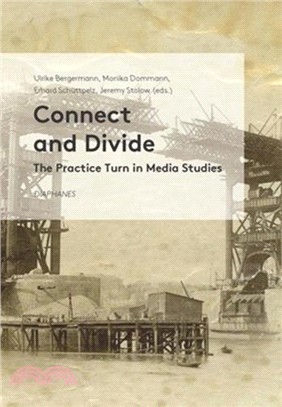
Media is a kind of gatekeeper, connecting disparate entities and shielding them from one another at the same time. When we speak of media, we often refer to those entities themselves—to persons,
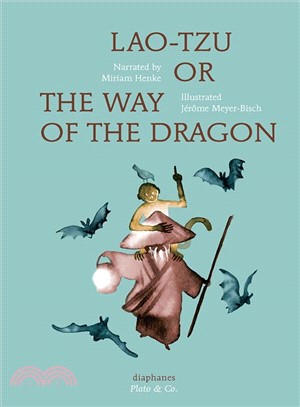
At its most basic, philosophy is about learning how to think about the world around us. It should come as no surprise, then, that children make excellent philosophers! Naturally inquisitive, pint-size
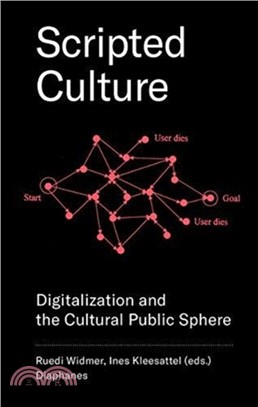
When we look at the cultural public sphere through the lens of digitalization, a paradoxical picture emerges. In some ways, the digital age seems to have brought the goals of the Enlightenment to thei
“The devil is at our heels . . . . at the heart of the city’s aberrations.” Picture a lost city in northern England during the momentous winter of 1978—the final winter before the onset of the Thatche
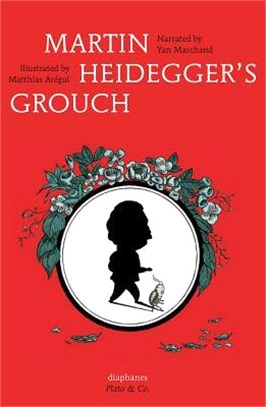
At its most basic, philosophy is about learning how to think about the world around us. It should come as no surprise, then, that children make excellent philosophers! Naturally inquisitive, pint-size