This series introduces simple science topics using everyday situations and objects that readers can recognize in the world around them. Activities and questions are presented to encourage active think
"This book explores the food chains and webs that exist in a mountain habitat. It equips readers with crucial vocabulary, using examples from that habitat to explain the roles of producers, consumers
"This book explores the food chains and webs that exist in river habitats. It equips readers with crucial vocabulary, using examples from that habitat to explain the roles of producers, consumers and
"This book explores the food chains and webs that exist in a desert habitat. It equips readers with crucial vocabulary, using examples from that habitat to explain the roles of producers, consumers an
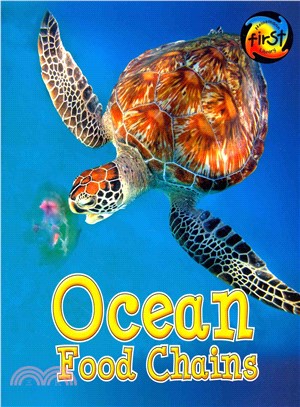
"This book explores the food chains and webs that exist in an ocean habitat. It equips readers with crucial vocabulary, using examples from that habitat to explain the roles of producers, consumers an
"This book explores the rich food chains and webs that exist in a rain forest habitat. It equips readers with crucial vocabulary, using examples from that habitat to explain the roles of producers, co
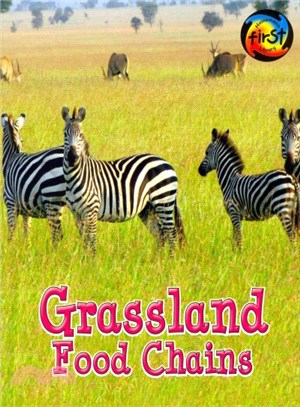
"This book explores the food chains and webs that exist in a grassland habitat. It equips readers with crucial vocabulary, using examples from that habitat to explain the roles of producers, consumers
Introduces the life cycle of a dog, using a golden retriever as an example and describing various stages of her life, from newborn puppy to adult dog having puppies of her own.
Describes how methods of transportation add to global warming, introduces theoretical and current technology that reduces carbon emissions of vehicles, and explores how individuals can produce less ca
Examines possible alternative sources of energy for the future, discussing the problems of global warming, and the methods that could be used to obtain energy from wind, water, the Sun, the atom, and