Science has long treated religion as a set of personal beliefs that have little to do with a rational understanding of the mind and the universe. However, B. Alan Wallace, a respected Buddhist scholar
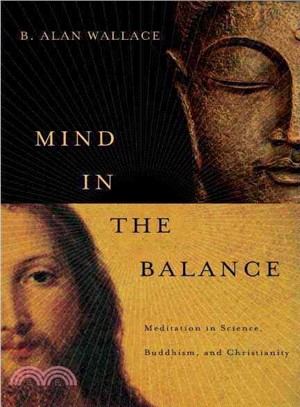
By establishing a dialogue in which the meditative practices of Buddhism and Christianity speak to the theories of modern philosophy and science, B. Alan Wallace reveals the theoretical similarities u
Bridging the gap between the world of science and the realm of the spiritual, B. Alan Wallace introduces a natural theory of human consciousness that has its roots in contemporary physics and Buddhism
By establishing a dialogue in which the meditative practices of Buddhism and Christianity speak to the theories of modern philosophy and science, B. Alan Wallace reveals the theoretical similarities u
Bridging the gap between the world of science and the realm of the spiritual, B. Alan Wallace introduces a natural theory of human consciousness that has its roots in contemporary physics and Buddhism
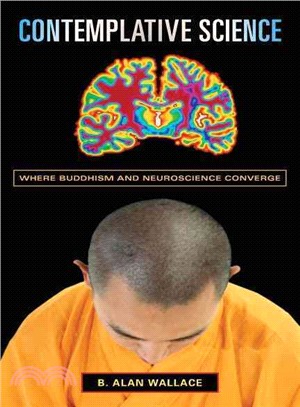
For centuries Tibetan Buddhist contemplatives have directly explored consciousness through carefully honed rigorous techniques of meditation. B. Alan Wallace explains the methods and experiences of t
This book takes a bold new look at ways of exploring the nature, origins, and potentials of consciousness within the context of science and religion. Alan Wallace draws careful distinctions between f
B. Alan Wallace points out the many assumptions required to adopt the realist view, and the nihilism implicit in the instrumentalist position. He then proposes a radical philosophical alternative base
A renowned Buddhist philosopher identifies the power of traditional Buddhist meditations to clarify the mind's role in the natural world, explaining the value of skepticism in Buddhism while exploring
A renowned Buddhist philosopher identifies the power of traditional Buddhist meditations to clarify the mind's role in the natural world, explaining the value of skepticism in Buddhism while exploring