In this exploration of a radical approach to the psychoanalytical treatment of people on the verge of mental breakdown, Christopher Bollas offers a new and courageous clinical paradigm. He suggests th
In this exploration of a radical approach to the psychoanalytical treatment of people on the verge of mental breakdown, Christopher Bollas offers a new and courageous clinical paradigm. He suggests th
This reader brings together a selection of seminal papers by Christopher Bollas. Essays such as "The Fascist State of Mind," "The Structure of Evil," and "The Functions of History" have established hi
This reader brings together a selection of seminal papers by Christopher Bollas. Essays such as "The Fascist State of Mind," "The Structure of Evil," and "The Functions of History" have established hi
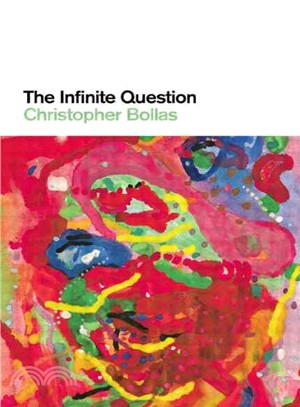
In his latest book Christopher Bollas uses detailed studies of real clinical practice to illuminate a theory of psychoanalysis which privileges the human impulse to question. From earliest childhood t
In The Evocative Object World Christopher Bollas builds on Freud's account of dream formation, combining it with perceptive clinical, theoretical and cultural insights to show how the psychoanalytical
Each person invests many of the objects in his life with his or her own unconscious meaning, each person subsequently voyages through an environment that constantly evokes the self's psychic history.
Hysteria has disappeared from contemporary culture only insofar as it has been subjected to a repression through the popular diagnosis of 'borderline personality disorder'.In Hysteria the distinguishe
In The Mystery of Things, Christopher Bollas takes the reader right to the heart of psychotherapy, examining the mysterious aspects of the self that are revealed by analysis. The method of enquiry at
In Being a Character , Christopher Bollas argued that Freud's vision of the dream process is a model for all unconscious mental experience. In Cracking Up he extends his exploration of the inner world