"How had the pair of elderly Jewish lesbians survived the Nazis?” Janet Malcolm asks at the beginning of this extraordinary work of literary biography and investigative journalism. The pair, of
"How had the pair of elderly Jewish lesbians survived the Nazis?” Janet Malcolm asks at the beginning of this extraordinary work of literary biography and investigative journalism. The pair, of
In two previous books, Janet Malcolm explored the hidden sides of, respectively, institutional psychoanalysis and Freudian biography. In this book, she examines the psychopathology of journalism. Usin
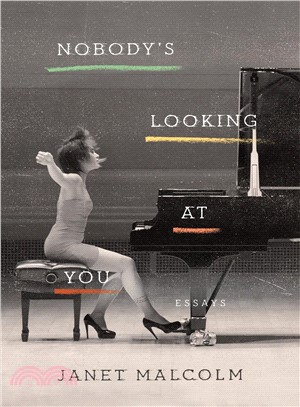
Janet Malcolm's previous collection, Forty-One False Starts: Essays on Artists and Writers, was "unmistakably the work of a master" (The New York Times Book Review). Like Forty-One False Starts, Nobod
“One of the premier narrative non-fiction writers of her time.” —The New RepublicJanet Malcolm’s previous collection, Forty-One False Starts: Essays on Artists and Writers, was “unmistakably the work
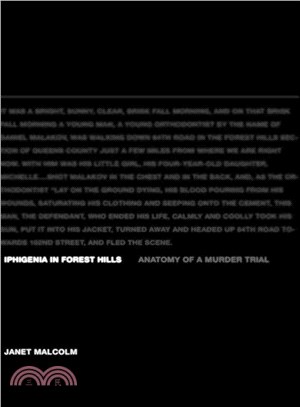
Examines in detail the trial of a young physician who was accused of hiring an assassin to kill her husband in the presence of their 4-year-old daughter and looks at the many issues surrounding events
"She couldn't have done it and she must have done it." This is the enigma at the heart of Janet Malcolm's riveting new book about a murder trial in the insular Bukharan-Jewish community of Forest Hil
Over the course of three summers in New England, Janet Malcolm gathered leaves of the burdock plant, a "large rank weed" with medicinal properties "that grows along roadsides and in waste places and
To illuminate the mysterious greatness of Anton Chekhov’s writings, Janet Malcolm takes on three roles: literary critic, biographer, and journalist. Her close readings of the stories and plays are int
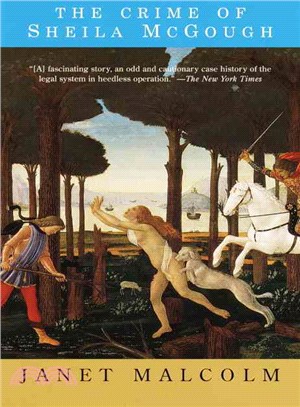
"[N]o other writer tells better stories about the perpetual, the unwinnable, battle between narrative and truth." --The New York Times Book ReviewThe Crime of Sheila McGough is Janet Malcolm's brillia
The Purloined Clinic is a retrospective of essays, reviews, and reports that reflect the range and depth of Janet Malcolm's engagement with psychology, criticism, art, and literature.She examines aspe