This brand-new series highlights some of the major contributions women have made in the world of science.From studying stars and discovering comets to flying into space as pioneering astronauts, women have been central to learning about space. Female astronomers gave us our first understanding of how large the universe really is and how much matter it contains. They were key to designing humans’ first rocket-powered flights into space. And as soon as women could go into space themselves, they were eager to do so: some 65 women have now become space travelers. This book tells their stories and describes their vital contributions.
This brand-new series highlights some of the major contributions women have made in the world of science.What shapes our planet? Women have been answering the question for centuries on many levels. Scientists such as Marie Curie have investigated the building blocks of matter, and the physical forces that act upon them. Geologists have studied the rocks beneath our feet by venturing dangerously close to erupting volcanoes, and have figured out what lies at Earth’s center and why its surface moves as it does. Women have also led the way in exploring the planet’s atmosphere and the causes and effects of climate change, the most urgent problem scientists are trying to solve. This book tells their stories and describes their vital contributions.
This brand-new series highlights some of the major contributions women have made in the world of science.What shapes our planet? Women have been answering the question for centuries on many levels. Scientists such as Marie Curie have investigated the building blocks of matter, and the physical forces that act upon them. Geologists have studied the rocks beneath our feet by venturing dangerously close to erupting volcanoes, and have figured out what lies at Earth’s center and why its surface moves as it does. Women have also led the way in exploring the planet’s atmosphere and the causes and effects of climate change, the most urgent problem scientists are trying to solve. This book tells their stories and describes their vital contributions.
This brand-new series highlights some of the major contributions women have made in the world of science.From studying stars and discovering comets to flying into space as pioneering astronauts, women have been central to learning about space. Female astronomers gave us our first understanding of how large the universe really is and how much matter it contains. They were key to designing humans’ first rocket-powered flights into space. And as soon as women could go into space themselves, they were eager to do so: some 65 women have now become space travelers. This book tells their stories and describes their vital contributions.
This humorous picture book helps children explore the big questions around what makes each of us unique. Questions include: Who am I? What are memories? Why do I have feelings? Do I need language to t
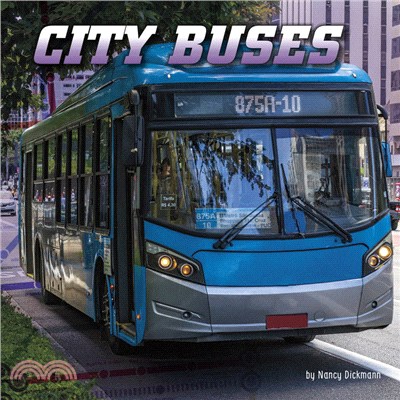
You need to get to another part of a big city quickly. What can you do? Take the city bus! City buses take people where they need to go day after day. They help people get to workplaces, stores, and m
Delivery trucks carry millions of packages around the country each day. In New York City alone, 1.5 million packages are delivered every day! Young readers will learn about the types of delivery truck
Smoke pours out of a window. Call 911. A fire truck is on its way! Fire trucks carry the equipment needed to put out fires and help people in emergencies. Young readers will find out about fire trucks
Did you know that the average American produces about 4.5 pounds of waste every day? That’s a lot of garbage! Garbage trucks are hard at work picking up this garbage. They carry the trash to landfills
Whoosh! Snow flies into the air as a snowplow pushes it out of the way. These big machines help keep drivers safe. Besides moving snow, they can put sand and salt on roads to make them safer. Young re
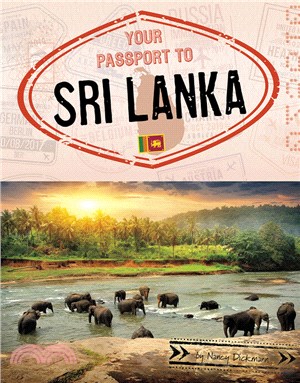
What is it like to live in or visit Sri Lanka? What makes Sri Lanka's culture unique? Explore the geography, traditions, and daily lives of Sri Lankan people.
Illustrated series introducing children to various aspects of nature, through a Q&A formatHave you ever wondered why zebras have stripes, how animals change colour or why lizards like to sit in th
Illustrated series introducing children to various aspects of Nature, through a Q&A format.Have you ever wondered why flowers are colourful, what roots do or why plants have fruits? Read this book
Illustrated series introducing children to various aspects of Nature, through a Q&A format.Have you ever wondered why pine trees have needles, how bushfires start or why there are no trees at the
Illustrated series introducing children to various aspects of Nature, through a Q&A formatHave you ever wondered where the Sun goes at night, what air is made of or how fossils form? Read this boo
Illustrated series introducing children to various aspects of Nature, through a Q&A format. Have you ever wondered why we have seasons, where the wind comes from or how we predict the weather? Rea
Illustrated series introducing children to various aspects of Nature, through a Q&A format.Have you ever wondered what scabs are made of, how muscles work or why you can't see in the dark? Read th
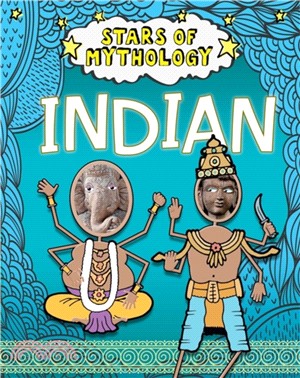
Perfect for children studying Indian culture or myths, this book takes a light-hearted look at the characters and creatures from the Hindu mythological stories. The stories involve a huge cast of char
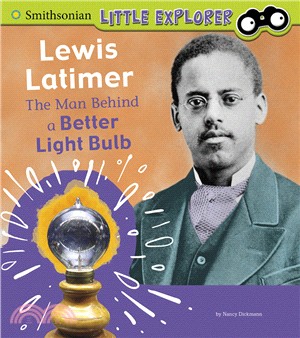
Why is Lewis Latimer important? His invention of the carbon filament made light bulbs more afforable and longer lasting. Readers follow his journey from working with Alexander Graham Bell to improving
Why is Benjamin Franklin important? He invented the lightning rod and much more! Readers follow the journey of this inventor and founding father. Franklin created the lightning rod and other invention
Discover how people all around the world are putting the planet first and helping the environment in new and exciting ways! All sorts of natural power can be harnessed to make energy, from the sun and
A history of World War I describes why it started, the weapons used, what trench warfare was like, the different fronts, how it affected civilians, the role of medicine, how it ended, and its lasting
A history of World War II describes how it started, the different sides involved, the weapons used, where it was fought, why so many civilians died, the war crimes committed, how it ended, and its las
Strap in for a journey to the center of the Earth–and watch out for volcanoes! Readers are in for a fiery ride as they explore geothermal energy and its technologies, both past and future. On the way,
This weather forecast calls for power! Readers will learn about humanity’s long history of harnessing wind energy, journeying on boats along the Nile River, past windmills pumping water in ancient Chi
As technology rapidly develops across the globe, we need to remember the roots of our energy sources: plants and other biological substances. This timely volume teaches readers about humanity’s comple
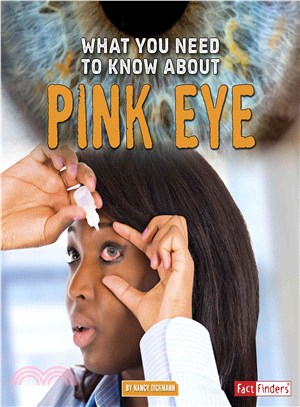
Everything a young reader needs to know about pink eye: what it is, how it happens, what the symptoms are, and how it is treated. The text also presents real-life stories of kids who experience pink e
Unlock the secrets of the mighty Romans—one of history’s greatest people. Journey across the world as you track down the Roman Empire. Find out what it meant to be a slave and how you could work your
Step back in time to Ancient Greece—one of history’s greatest civilizations. Find out how the fearsome hoplite soldiers fought. Discover Greek’s gorgeous goddesses and mighty gods. Find out how sooths
Everything a young reader needs to know about allergies: what they are, how they are caused, what the symptoms are, and how they are treated. The text also presents real-life stories of kids who exper
"This important book shows how the use of fossil fuels is changing Earth's climate and what scientists are doing to find sustainable forms of energy that will secure our planet's future. We live in an
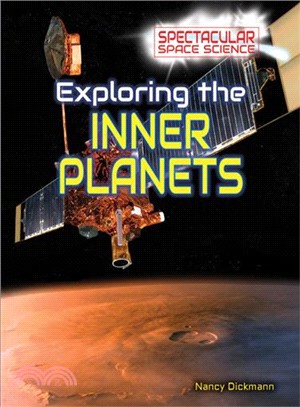
"Stargazers have observed Mercury, Venus, and Mars--the other small, rocky planets in our solar system besides Earth--for thousands of years. More recently, we have begun to explore our neighbors in o