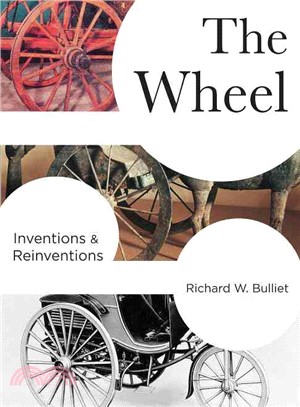
In this book, Richard W. Bulliet focuses on three major phases in the evolution of the wheel and their relationship to the needs and ambitions of human society. He begins in 4000 B.C.E. with the first
A preeminent Middle East scholar argues that beginning in the 1950s American policymakers misread the Muslim world. Instead of focusing on the growing discontent with the unpopular governments, the po
The End of Middle East History and Other Conjectures is an unapologetic collection of imaginative essays from thought-provoking Middle East scholar Richard W. Bulliet. Not your ordinary think pieces,
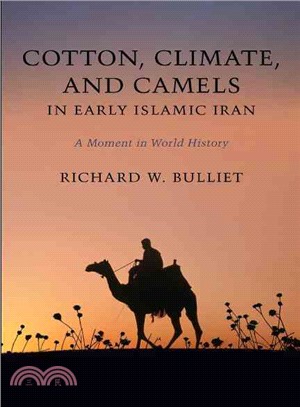
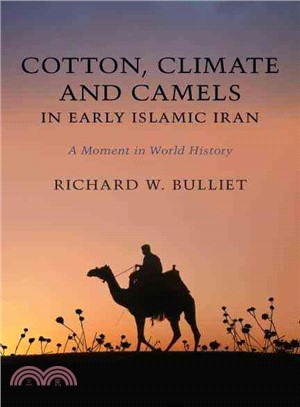
A boom in the production and export of cotton made Iran the richest region of the Islamic caliphate in the ninth and tenth centuries. Yet in the eleventh century, Iran's impressive agricultural econom
A boom in the production and export of cotton made Iran the richest region of the Islamic caliphate in the ninth and tenth centuries. Yet in the eleventh century, Iran's impressive agricultural econom
Richard W. Bulliet has long been a leading figure in the study of human-animal relations, and in his newest work, "Hunters, Herders, and Hamburgers," he offers a sweeping and engaging perspective on t
Conventional wisdom maintains that the differences between Islam and Christianity are irreconcilable. Pre-eminent Middle East scholar Richard W. Bulliet disagrees, and in this fresh, provocative book
Richard W. Bulliet has long been a leading figure in the study of human-animal relations, and in his newest work, "Hunters, Herders, and Hamburgers," he offers a sweeping and engaging perspective on t
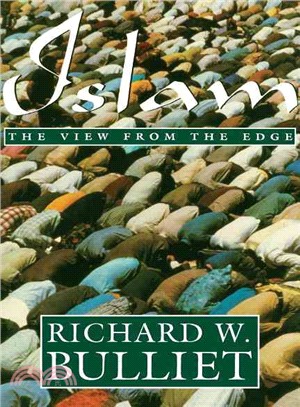
Bulliet abandons the historian's habit of viewing Islamic history "from the center," that is, focusing on the rise and fall of imperial dynasties. Instead, he derives an understanding of how and why I
Reprint, with new preface, of a classic first published in 1975. Moving across disciplines from anthropology to technology to zoology, Bulliet (history, Columbia U.) shows how this particular domestic
Richard Bulliet's timely account provides the essential background for understanding the contemporary resurgence of Muslim activism around the globe. Why, asks Bulliet, did Islam become so rooted in t