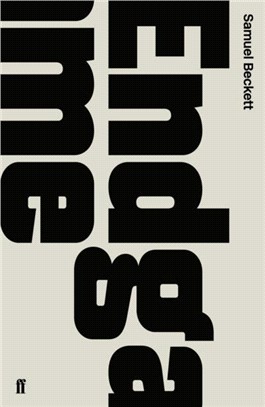
Originally written in French and translated into English by Beckett, Endgame was given its first London performance at the Royal Court Theatre in 1957.HAMM: Clov!CLOV: Yes.HAMM: Nature has forgotten u
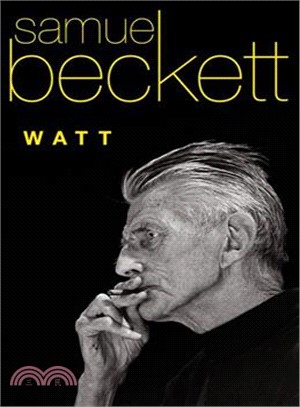
In prose possessed of the radically stripped-down beauty and ferocious wit that characterize his work, this early novel by Nobel Prize winner Samuel Beckett recounts the grotesque and improbable adven
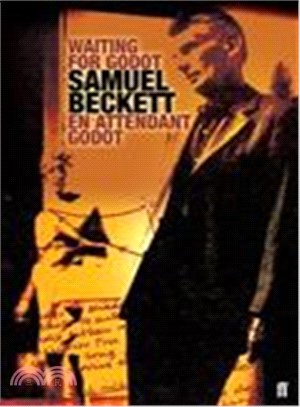
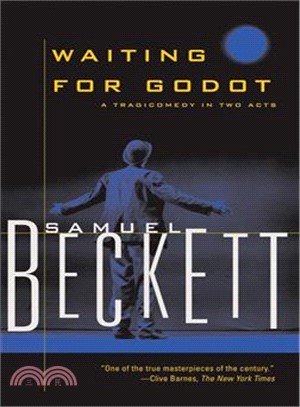
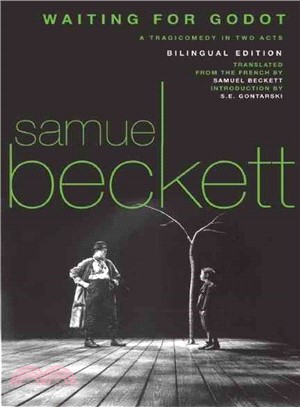
Written in French and first performed at the Theatre du Bablyone in Paris, in 1953, En attendant Godot was subsequently translated by Samuel Beckett into English as Waiting for Godot.
Samuel Beckett is recognized as one of the pivotal geniuses of modern literature. His literary output included novels, stories, poems, and plays, including Waiting for Godot, widely considered one of
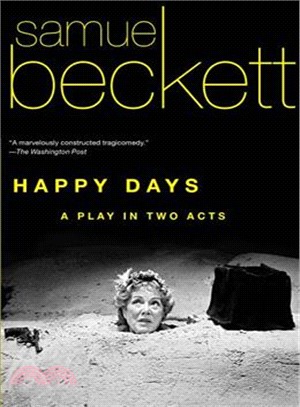
In Happy Days, Samuel Beckett pursues his relentless search for the meaning of existence, probing the tenuous relationships that bind one person to another, and each to the universe, top time past and
From an inauspicious beginning at the tiny Left Bank Théâtre de Babylone in 1953, followed by bewilderment among American and British audiences, Waiting for Godot has become one of the most
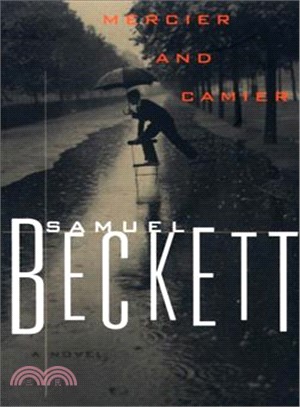
Mercier and Camier, Beckett’s first postwar novel and his first in French, has been described as a forerunner of his most famous work, Waiting for Godot. Like the play, Mercier and Camier revol
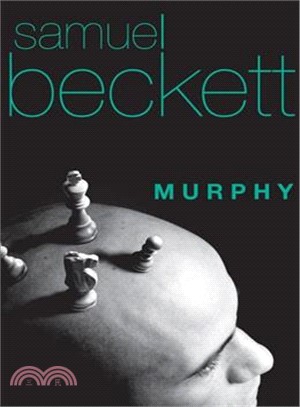
Murphy, Samuel Beckett’s first published novel, is set in London and Dublin, during the first decades of the Irish Republic. The title character loves Celia in a striking case of love req
Samuel Beckett, the great minimalist master and winner of the 1969 Nobel Prize for Literature, produced some of his most widely praised work for the stage in the form of the short play. This complete
Subtitled "A tragicomedy in two Acts", and famously described by the Irish critic Vivien Mercier as a play in which 'nothing happens, twice', "En attendant Godot" was first performed at the Theatre de
Happy Days was written in 1960 and first produced in London at the Royal Court Theatre in November 1962. WINNIE: [ . .] Well anyway - this man Shower - or Cooker - no matter - and the woman - hand i
Mrs Rooney, old and unwieldy, is dragging herself towards the railway station on a Saturday lunchtime to meet her blind husband on his way back from the office, and guide him home. She passes the time
It was as a poet that Samuel Beckett launched himself in the little reviews of 1930s Paris, and as a poet that he ended his career. This new selection, from Whoroscope (1930) to 'what is the word' (19
These four stories were originally written in French in 1946, to be translated by Beckett and appear in English from 1954 to 1973. Beckett spoke of the teller of these tales as a deadbeat, but the lon
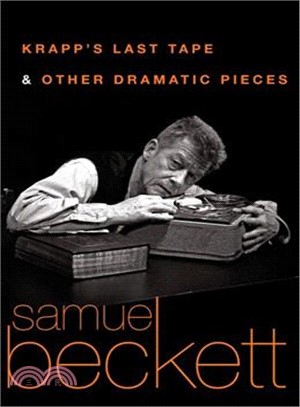
This collection of Nobel Prize winner Samuel Beckett’s dramatic pieces includes a short stage play, two radio plays, and two pantomimes. The stage play Krapp’s Last Tape evolves a shattering drama out
Few works of contemporary literature are so universally acclaimed as central to our understanding of the human experience as Nobel Prize winner Samuel Beckett’s famous trilogy. Molloy, the first of th
Features four last prose fictions by Samuel Beckett that were originally published individually, and their composition spanned the final decade of his life. This edition also includes several short pr
Krapp's Last Tape was first performed by Patrick Magee at the Royal Court Theatre in October 1958, and described as 'a solo, if that is the word, for one voice and two organs: one human, one mechanica
Beckett explores human alienation and loneliness in four works that include portraits of a solitary woman in a rocking chair and an old man, alone in the night, reflecting on the past and the people h
Molloy, the first of the three masterpieces which constitute Samuel Beckett’s famous trilogy, appeared in French in 1951, followed seven months later by Malone Dies (Malone meurt) and two years
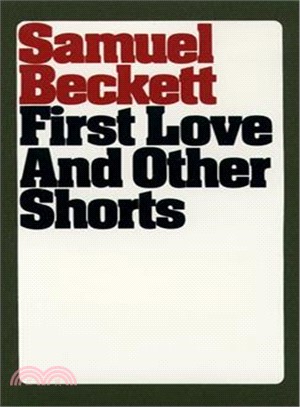
'First Love', a man's musings about his youth occasioned by his visit to his father's grave, was first written by Samuel Beckett in French in 1945, but it wasn't until 1973 that he completed this the
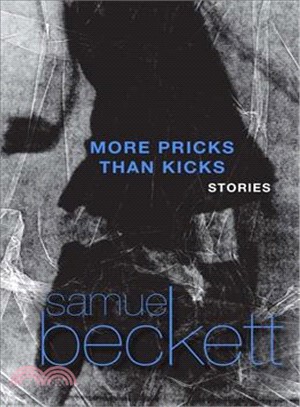
Samuel Beckett, the recipient of the 1969 Nobel Prize for Literature and one of the greatest writers of our century, first published these ten short stories in 1934; they originally formed part of an
“It is one thing to be informed by Shakespeare that life “is a tale told by an idiot signifying nothing”; it is something else to encounter the idea literally presented in a novel b