In many settings influenza is recognized as a major cause of disease and death. In other parts of the world however, its epidemiology and the degree of its impact on human health remain relatively unc
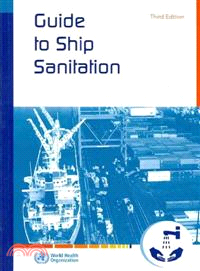
Since the plagues of the Middle Ages, ships have been shown to play a significant role in the global transmission of infectious diseases. In this update of the 1987 and 1967 editions, the World Health
The set of modules that comprise this Sourcebook are intended for use in pre-service and in-service training of health professionals. It is expected that this publication will also be of use to health
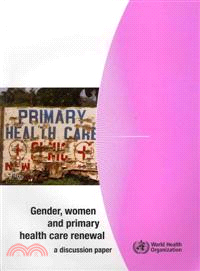
This discussion paper from the Department of Gender, Women and Health of the World Health Organization collects evidence and experiences from around the world to show how to make health systems more g
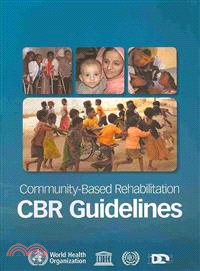
Community-based rehabilitation (CBR) was initiated in 1978 by the WHO to improve access to rehabilitation services for people in low-income and middle-income countries. For this print/CD-ROM resource
In this report of the World Health Organization, which is intended for female leaders, policy makers, economists, educators, health scientists, researchers, and activists, a group of researchers and a
This document compiles the principles and methods that the World Health Organization and the Food and Agriculture Organization--both agencies of the United Nations--use to asses the environmental and
A result of the Priority Medical Devices project initiated in 2007 by the Dutch Ministry of Health, Welfare and Sport and the World Health Organization, this report describes a health-based approach t
It is estimated that approximately 32% of all suicide deaths have occurred in the Western Pacific Region. Suicide rates in some countries/areas like Japan, the Republic of Korea, Taiwan and China have
In a folder, no binding, 12 heavily laminated pages (each two-sided), present information for laboratory and field workers responsible for diagnosing malaria by Giemsa microscopy. The pages feature te
Every year, the harmful use of alcohol kills 2.5 million people, including 320,000 young people between 15 and 29 years of age. It is the eighth leading risk factor for deaths globally, and harmful us
Campylobacter is a leading cause of enteric infections in many countries. The principal reservoir of pathogenic Campylobacter spp. is the alimentary tract of wild and domesticated mammals and birds. P
Poor people encounter high rates of illness and premature deaths from preventable causes and are thus more vulnerable to disease. In the WHO South-East Asia Region, many Member countries carry a signi
Road traffic injury is one of the fastest growing epidemics in the WHO South-East Asia Region. TheRegional Report on Status of Road Safety provides an opportunity to depict the extent and scale of thi
This manual is designed to be used by the trainee at Special Program for Research and Training in Tropical Diseases and Good Laboratory Practice training workshops. It contains an introduction which h
Inorganic Chromium (III) Compounds provides summaries of the relevant scientific information concerning the potential effects of these chemicals upon human health and/or the environment. Chemical safe
Despite considerable progress in the past decades, societies continue to fail to meet the health care needs of women at key moments of their lives, particularly in their adolescent years and in older
In order to promote greater implementation of effective, affordable and sustainable trauma systems globally, the World Health Organization and the International Association for Trauma Surgery and Inte
This course workbook is designed to introduce readers to the fundamentals of emergency exercise design and to prepare readers to design and conduct an in-house emergency exercise training course of th
The fourth edition of this World Health Organization report on the effects of anthrax on humans and animals has been updated to reflect new scientific research in 2007 as well as expert conclusions dr
This report draws attention to the threat of viruses as a risk to public health when they are present in food. Viruses play a major role in the burden of infectious intestinal disease and require spec
This manual presents an overview of iodine deficiency disorders (IDD) and provides detailed instructions in the monitoring and evaluation of IDD control and prevention programs. Health and nutrition p
Social inequality is widely recognized as an important cause of conflict and the social determinants of health in conflict settings reflect and reinforce these inequalities. This publication explores
In the Eastern Mediterranean Region, the knowledge base on social determinants and how these influence health is sparse. This publication reviews the social determinants of health in seven countries o
This report on integrating mental health into primary care, which was developed jointly by the World Health Organization (WHO) and the World Organization of Family Doctors (Wonca), presents the justif
THIS IS THE LARGE PRINT VERSION OF ICF FOR THE VISUALLY IMPAIREDInternational Classification of Functioning (ICF) is a classification of health and health-related domains that provides a standard lang
The Water, Sanitation and Health Electronic Library, 5th edition, includes more than 220 documents of new and current publications. The documents provide information on water supply and sanitation, re
The 68th meeting of the Joint FAO/WHO Expert Committee on Food Additives (JECFA) was held in Geneva, Switzerland in June 2007, and this World Health Organization Report summarizes the toxicological mo
Population ageing and urbanization are two global trends that together comprise major forces shaping the 21st century. At the same time as cities are growing, their share of residents aged 60 years an
The World Health Organization estimates that 7.6 million people died of cancer in 2005 and 84 million people will die in the next 10 years if action is not taken. More than 70% of all cancer deaths oc
This up-to-date, comprehensive and consolidated guideline on essential intrapartum care brings together new and existing WHO recommendations that, when delivered as a package, will ensure good-quality
The recommendations in these guidelines provide overarching, evidence-based guidance on how risk communication should be practiced in an emergency. During public health emergencies, people need to kno
This report presents the recommendations of the thirty-ninth WHO Expert Committee on Drug Dependence (ECDD). The ECDD is responsible for the assessment of psychoactive substances for possible scheduli
Powerful demographic and economic forces are shaping health workforce needs and demands worldwide.Effectively addressing growing population need and economic demand for health workers stands as one of
This volume contains monographs prepared at the eighty-second meeting of the Joint FAO/WHO Expert Committee on Food Additives (JECFA), which met in Geneva, Switzerland, from 7 to 16 June 2016. The tox
Skin cancer is the most common form of cancer among light-skinned populations. The chief environmental cause of skin cancer is ultraviolet radiation (UVR). UVR exposure comes mainly from the sun, but
The National Health Inequality Monitoring: A Step-by-Step Manual was designed to serve as a highly accessible, practical reference for the practice of health inequality monitoring. Organized according
This report presents the recommendations of the 38th WHO Expert Committee on Drug Dependence (ECDD). The ECDD is responsible for the assessment of psychoactive substances for possible scheduling under
This report represents the conclusions of a Joint FAO/WHO Expert Committee convened to evaluate the safety of various contaminants or groups of contaminants in food. The first part of the report conta