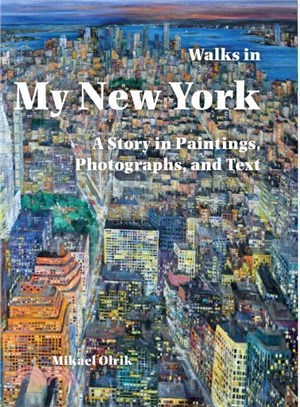
This is a book about New York City, as seen through the eyes and sensibilities of Danish architect and artist Mikael Olrik. The combination of watercolor, photograph and text offers the reader an orig
Cities are evolving entities, and as pushcarts became vans and horse-drawn streetcars became mechanized, so the streetscape and its buildings and landmarks and accesses changed. In the process there w
Raritan documents the growth of a Raritan River town from the 1800s through the 1970s. With intriguing photographs and text, it explores the emergence of a quiet farming area as, first, a bustling ind
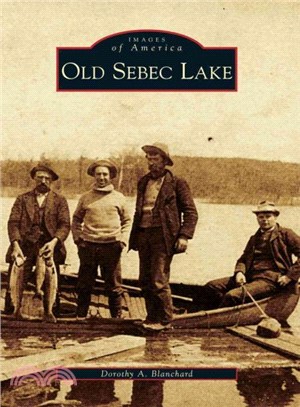
Old Sebec Lake is an intriguing look at one ofMaine's most beautiful and historically interestingareas, containing a series of photographs as well asaccompanying text that document the most colorful e
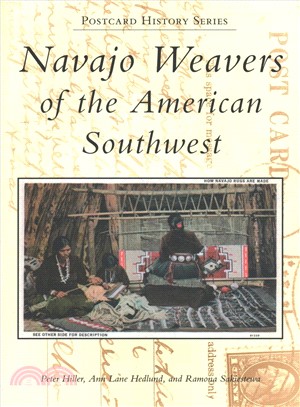
From the mid-17th century to the present day, herding sheep, carding wool, spinning yarn, dyeing with native plants, and weaving on iconic upright looms have all been steps in the intricate process of
Quaben, the Nipmuc Indian word for "many waters," was the name originally given to the area of central Massachusetts that is now known as the Quabbin Valley. The abundance of ponds, lakes, and streams
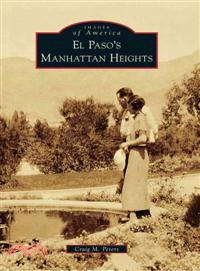
Manhattan Heights Historic District can trace its beginnings to June 9, 1899, when paperwork was filed by El Paso and New York investors to begin the process of opening the Federal Copper Company. By
Maple Sugaring in New Hampshire is a photographic history depicting the process, equipment, structures, and social aspects of maple sugaring from the 1700s to the present day. Maple products are made
Founded in 1881, the Cincinnati Art Museum is one of the oldest art museums in the United States. Public art museums were still rare, especially as far west as Cincinnati. But the city had emerged as
In 1833, the British Hudson's Bay Company established the first Fort Nisqually as a fur trading post in the area now known as DuPont, Washington. When the second Fort Nisqually closed in 1870, its las
Harrington has long been nicknamed the "Hub of Delaware." The nickname comes from its earliest days as a stagecoach stop, and the area continues to serve as a vital junction. First established on Sept
As early as the late 19th century, there was a small community of Assyrians in Yonkers, New York. By 1914 and 1915, many Assyrians fled Ottoman Turkey and Persia seeking refuge from genocide, and with
In the "City of Brotherly Love," there are few things taken as seriously as local bragging rights. In a city that lives and dies with its sports heroes, basketball is no exception. This volume traces
Congress designated Highway 20 as a federal highway in 1926. The result of this was the evolution of Highway 20 as the most important road traversing northern Illinois. From Chicago to the Mississippi
The idyllic community of Sunriver sits at the crossroads of Central Oregon. The region was inhabited as early as 11,500 years ago by native tribes. The first non-native explorers filtered through the
Established as one of many frontier Army posts in 1849 following the Mexican-American War, Fort Bliss, Texas, has endured as an Army installation when most other frontier posts have faded from memory.
The Lafayettes, as indicated in the title of this book, refer to Lafayette and West Lafayette in Northwest Indiana. Postcards of that area emerged in the late 1800s as the population began to grow. Si
From villages and cities in Lithuania, immigrants came to America to find what they were denied in Eastern Europe, which was freedom from tyranny and want as well as freedom to worship and live as the
Wokokon Inlet appeared on maps drawn by Englishman John White as early as the 1580s. The name evolved into Ocracoke, and by 1715, pilots were established on the island in order to safely navigate ship
The music that has been produced in Memphis over the past 100 years is as unique and diverse as the city itself. Growing out of the Mississippi Delta, the Memphis blues have been transported worldwide
Although settlers moved into Norwood as early as 1787, Norwood was not incorporated as a city until 1902. Apart from the city of Cincinnati, Norwood is the second largest city within Hamilton County,
Joint Base Langley-Eustis (JBLE) has served for over 100 years as a cornerstone of American military aviation. The base has served as a flight test center for US Navy seaplanes and observation/spotter
Sacramento has enjoyed baseball since the Gold Rush. As early as 1869, the first professional baseball team in America, the Cincinnati Red Stockings, came to Sacramento and played against a locally or
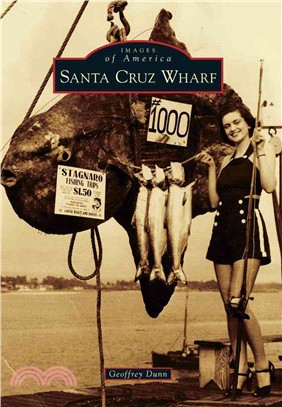
For a century now, the Santa Cruz Wharf has shone as one of the crown jewels of the Pacific Coast, and today it serves as a gateway to the Monterey Bay National Marine Sanctuary. What began as a shipp
The history of High Bridge is intertwined with the development of the iron and steel industry in the United States. As early as the 1700s, the framework of this little hamlet had already been created
From humble beginnings to magnificent gains, there are few cities that can boast as much growth as Chelsea, Alabama. Where Creek Indians once hunted and roamed, successful businesses, neighborhoods, s
Inaugurated in 1877 as a camp meeting ground by eastern Massachusetts residents who believed in communication with the dead, Onset quickly emerged as the nation's leading spiritualist summer community
As early as 1615, Frenchmen settled along the St. Clair River in the area now known as Algonac and Clay Township to trade furs with Native Americans. Despite Louis XIV's determination to build a colon
As the US Navy recovered from the devastating attack on Pearl Harbor, the aircraft carrier earned a place alongside the battleship, and the Navy grew its air force. Pilots were needed as fast as Ameri
Pryor Creek, originally named Coo-y-yah (Cherokee for "huckleberry"), incorporated as a city in 1894. Also known as Pryor by the US Postal Service, it is located in northeastern Oklahoma and
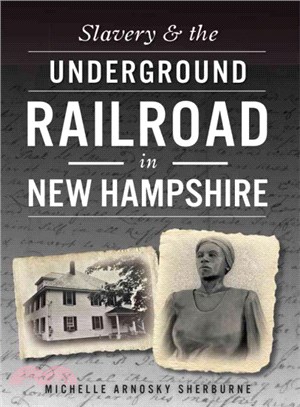
New Hampshire was once a hotbed of abolitionist activity. But the state had its struggles with slavery, with Portsmouth serving as a slave-trade hub for New England. Abolitionists such as William Lloy
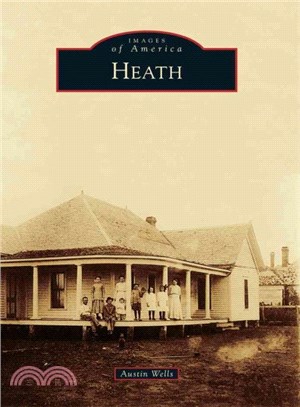
When John O. Heath first settled in the area now known as Heath in 1848, wild turkey and deer were as plentiful as the area's timber and rich, black soil. The fertile land and convenient location alon
As early as 1765, Acadians began to settle near St. Martinville in the center of an area known as Cote Gelee, or "Frozen Hill," due to seasonal cold temperatures that covered the Mis
From its days as the site of a Revolutionary War battle to its modern-day appeal as a restaurant mecca, Arlington, at its heart, is a community of active citizens. Once agricultural, Arlington is now
Once known as the "Rubber Capital of the World," Akron now hails as the "City of Invention." As the fifth-largest city in Ohio, it has grown from an industrial cent
Though detectives denied it, the Italian mafia was operating in Detroit as early as 1900, and the city was forever changed. Bootleggers controlled the Detroit River and created a national distributio
Born from opportunity and a promotional scheme hatched by founding father Charles B. Eddy, Carlsbad started life as a tent city on a desolate landscape. As the investment money started to flow, the Pe
First gaining notoriety as the "shoe city," Brockton grew and flourished toward the end of the 19th century. As the halcyon days of the shoe industry waned, however, Brockton experie
Beneath Austin's shiny veneer lies a dark past, filled with murder, lechery and deceit. Legislators, lawmen and lawyers killed, robbed and lied just as well and just as often as the drifters and grift