A thoughtful exploration of the role genes play in human behavior concludes that many of the big human concerns--body image, money, addiction, violence, and the search for happiness--are influenced by
The medieval Catholic Church, widely considered a source of intolerance and inquisitorial fervor, was not anti-science during the Dark Ages?in fact, the pope in the year 1000 was the leading mathemati
No matter what efforts we make to halt global warming, sea level rise will be an unavoidable part of our future. In The Flooded Earth, species extinction expert Peter D. Ward describes in intricate d
?Balanced without being bland, lucid in the telling, Thomas Kidd’s chronicle corrects the excesses both of those who overstate the degree to which America was founded as a ?Christian nation’ and of th
A biologist presents the natural history of feathers, applying the findings of paleontologists, ornithologists, biologists, engineers, and art historians to answer questions about the origin of feathe
A report on China's aggressive global crusade to secure natural resources offers insight into the way commodity markets work while profiling China's economic development goals and how they are influen
From the author of the acclaimed Men of Fire, the next stage of the clash between Union general Ulysses S. Grant and Confederate hero Nathan Bedford Forrest, following these opposing giants through th
Acclaimed historian, Philipp Blom, retraces the fortunes and characters of the men, that from the 1750s to the 1770s in the Paris salon of Baron Paul Thirty Holback had debated with intellectual darin
First discovered in 1930, the diamonds of Sierra Leone have funded one of the most savage rebel campaigns in modern history. These ?blood diamonds” are smuggled out of West Africa and sold to legitim
A cartoon history of the Latino experience in America serves up irreverent, hard-hitting, humorous socio-political commentary on everything from Manifest Destiny to Selena. 35,000 first printing.
A latest guide to the statistical logic that is revolutionizing baseball outlines 20 arguments about how the game is played today, assessing topics ranging from the impact of steroids and the amateur
In Freedom is Not Enough, award-winning historian James Patterson narrates the birth, life, and afterlife of the explosive Moynihan report, which altered the way we view race in America. In 1965, Pre
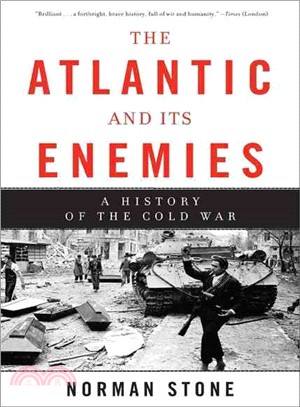
Pre-eminent historian Norman Stone’s The Atlantic and Its Enemies is a masterful history of the Cold War. As Soviet influence spread insidiously from nation to nation, the Americans and British were
This is a paperbound reprint of the highly praised 2007 popular science work. The authors state in their preface that their aim is "...to discover how these architectural marvels solve the ecological
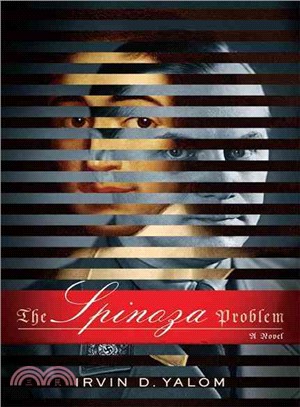
When sixteen-year-old Alfred Rosenberg is called into his headmaster’s office for anti-Semitic remarks he made during a school speech, he is forced, as punishment, to memorize passages about Spinoza f
They say you can’t teach an old dog new tricks. But what about relativity?Physics professor Chad Orzel and his inquisitive canine companion, Emmy, tackle the concepts of general relativity in this irr
A Cornell University professor draws on philosophy, literature and brain science to explain why the pursuit of happiness is a more complicated effort than understood by most people, sharing insights i
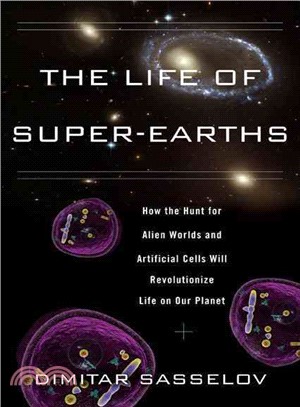
In 1543, Nicolaus Copernicus fomented a revolution when he debunked the geocentric view of the universe, proving instead that our planet wasn’t central to the universe. Almost five hundred years later
A Johns Hopkins foreign policy strategist explains America's vital role in achieving global stability, addressing four major areas of concern while outlining recommendations for a long-term plan to he
The first years of human life are more important than we ever realized. In Scared Sick, Robin Karr-Morse connects psychology, neurobiology, endocrinology, immunology, and genetics to demonstrate how c
In Leading Minds, Gardner and his research associate at Harvard Project Zero, Emma Laskin, apply a cognitive lens to leadership, drawing on Gardner’s groundbreaking work on intelligence and creativity
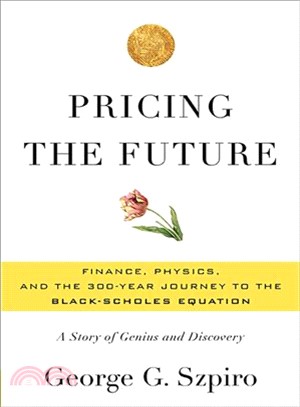
Options have been traded for hundreds of years, but investment decisions were based on gut feelings until the Nobel Prize?winning discovery of the Black-Scholes options pricing model in 1973 ushered i
Most Americans know Patrick Henry as a fiery speaker whose pronouncement ?Give me liberty or give me death!” rallied American defiance to the British Crown. But Henry’s skills as an orator?sharpened i
Great Britain in the 1970s appeared to be in terminal decline—ungovernable, an economic train wreck, and rapidly headed for global irrelevance. Three decades later, it is the richest and most influent
On December 29, 1890, five hundred American troops massed around hundreds of unarmed Lakota Sioux men, women, and children near Wounded Knee Creek, South Dakota. Outnumbered and demoralized, the Sioux
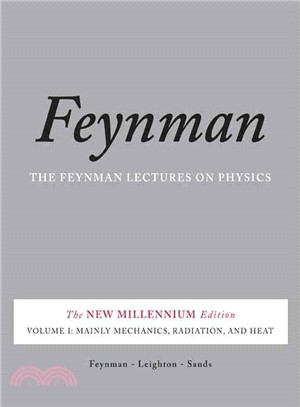
?The whole thing was basically an experiment,” Richard Feynman said late in his career, looking back on the origins of his lectures. The experiment turned out to be hugely successful, spawning publica
Citing America's cash-poor status following the economic crash of 2008, an analysis of the nation's prospects as a continuing super-power predicts how the United States will lose its ability to dictat
In 1960, the FDA approved the oral contraceptive that would come to be known as ?the pill.” Within a few years, millions of women were using it. At a time when the population was surging, many believe
In 1850, with Northerners demanding that slavery be outlawed in the vast new territory America had just acquired in the Mexican- American War, Southerners threatened to secede from the Union. Veteran
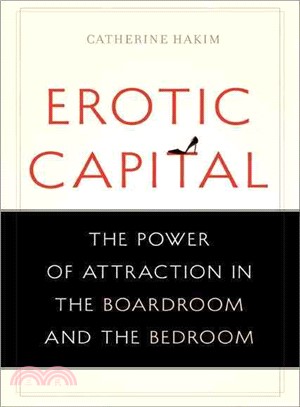
In 2010, pioneering sociologist Catherine Hakim shocked the world with a provocative new theory: In addition to the three recognized personal assets (economic, cultural, and social capital), each indi
Follows the author's attemps to understand her mother's life and suicide by piecing together information from court depositions, interviews, media coverage, and an unpublished novel.
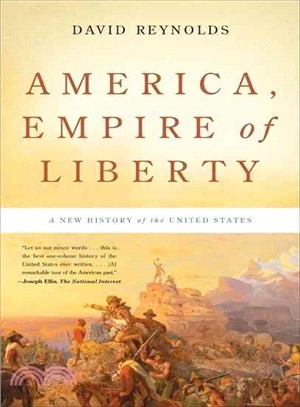
Thomas Jefferson envisioned the United States as a great "empire of liberty." In this single-volume history of the United States, David Reynolds takes Jefferson's phrase as a key to the American saga.
We've needlessly turned parenting into an unpleasant chore. Parents invest more time and money in their kids than ever, but the shocking lesson of twin and adoption research is that upbringing is muc
Merging cognitive science with educational agenda, Gardner makes an eloquent case for restructuring our schools by showing just how ill-suited our minds and natural patterns of learning are to the pre
As the income gap between developed and developing nations grows, so grows the cacophony of voices claiming that the quest to find a simple recipe for economic growth has failed. Getting Better, in s
Dudes, guys, geeks, hipsters: Are they men or are they boys? Influential social critic Kay S. Hymowitz shows why lots of people especially young women—aren't so sure, and why that matters to all of u
"The whole thing was basically an experiment," Richard Feynman said late in his career, looking back on the origins of his lectures. The experiment turned out to be hugely successful, spawning a book
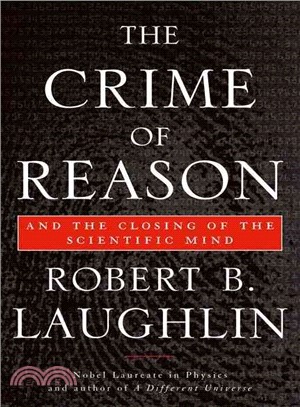
Many of us believe that in our modern, Internet-enabled world, information is more freely available than ever before. But according to physicist Robert Laughlin, this is a dangerous delusion. Not onl
How did we get to a place where vaccines are viewed with horror rather than as life-saving medicine? The answer is rooted in one of the most powerful and disturbing citizen a
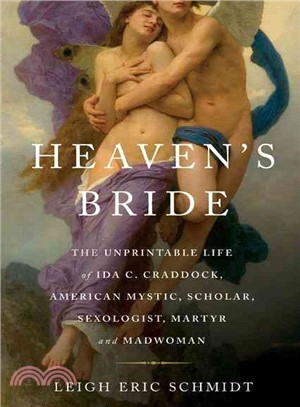
The nineteenth-century eccentric Ida C. Craddock was by turns a secular, freethinker, a religious visionary, a civil-liberties advocate—and deemed a grave danger to the public morality for her candor