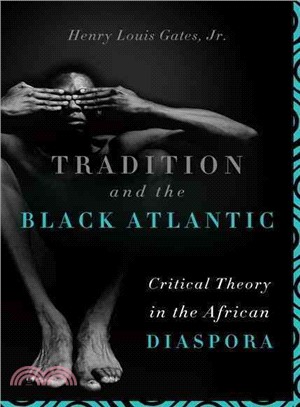
"Henry Louis Gates, Jr. s Tradition and the Black Atlantic is both a vibrant romp down the rabbit hole of cultural studies and an examination of the disciplines roots and role in contemporary thought.
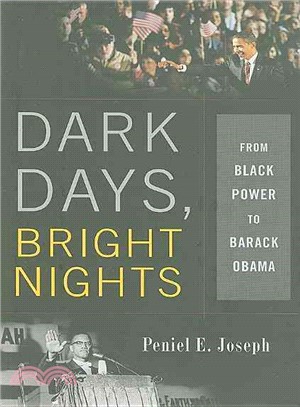
The Civil Rights Movement is now remembered as a long-lost era, which came to an end along with the idealism of the 1960s. In Dark Days, Bright Nights, acclaimed scholar Peniel E. Joseph puts this pa
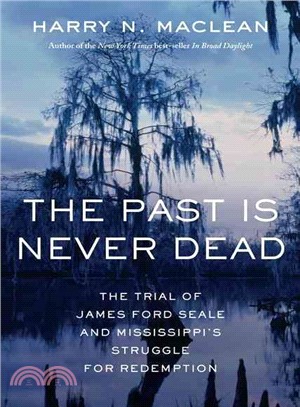
On May 2, 1964, Klansman James Ford Seale picked up two black hitchhikers and drowned both young men in the Mississippi River. Seale spent more than forty years a free man, before finally facing tria
In the 1920s, Southern record companies ventured to cities like Dallas, Atlanta, and New Orleans, where they set up primitive recording equipment in makeshift studios. They brought in street singers,
The night broke open in a storm of explosions and fire. The sound of shells whizzing overhead, screeching through the night like wounded pheasants, was terrifying. When the shells exploded prematurely
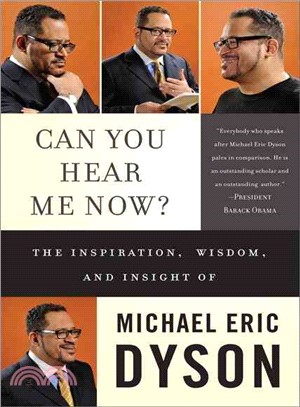
Over the last 20 years, Michael Eric Dyson has become one of America’s most visible—and quotable—public intellectuals. Whether in his sixteen books, or in countless newspapers, tele
In 1965, Paule Marshall was a fledgling novelist and a new mother, endeavoring to make her career as a writer. Without any warning, she received an invitation to join the poet Langston Hughes on a wh
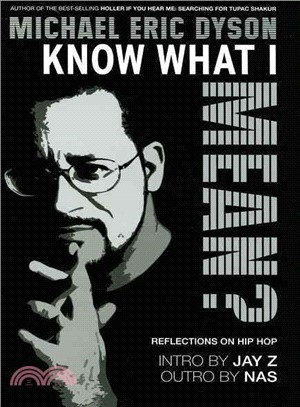
Know What I Mean? addresses salient issues within hip hop: the creative expression of degraded youth that has garnered them global exposure; the vexed gender relations that have made rap music a ligh
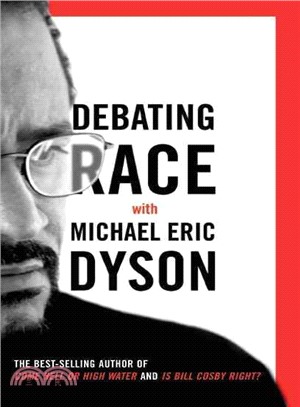
Whether chronicling the class conflict in the African-American community or exposing the failings of the government response in the wake of Hurricane Katrina, Michael Eric Dyson has never shied away
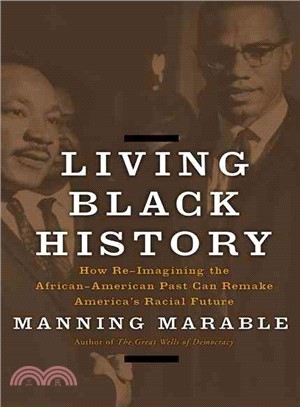
Are the stars of the Civil Rights firmament yesterday’s news? In Living Black History scholar and activist Manning Marable offers a resounding “No!” with a fresh and personal look a
Darryl Pinckney, the acclaimed author of the novel High Cotton and iconoclast known for his writings in The New York Review of Books, The New Yorker and elsewhere, affirms the literary power of the A
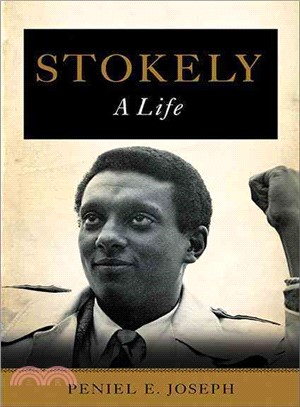
"Stokely Carmichael, the charismatic and controversial black activist, stepped onto the pages of history when he called for "Black Power" during a speech one humid Mississippi night in 1966. Carmichae