The Daring Book for Girls is the manual for everything that girls need to know—and that doesn't mean sewing buttonholes! Whether it's female heroes in history, secret note-passing skills, science proj
?Branley explains these powerful storms in simple terms young children can understand. He describes the funnel cloud and how it forms and [tells] what to do during a tornado. The book ends on a comfortable note, that the idea is not to panic but to know what to do to ensure safety.? ?BL. A Reading Rainbow Selection
Because you don't know how many bits make a byte Covers length, area, volume, weight, energy, temperature, time, geometry, speed, and more Contains up-to-date information, including computer file an
The human brain is behind everything you do. From taking your first step to creating the computer, this vital organ gives humans the ability to learn and adapt to an ever-changing world. Now award-wi
Nine years ago, French architect Jean-Pierre Houdin became obsessed by the centuries-old mystery of how the Great Pyramid was built. For ten hours a day, he labored at his computer to create exquisit
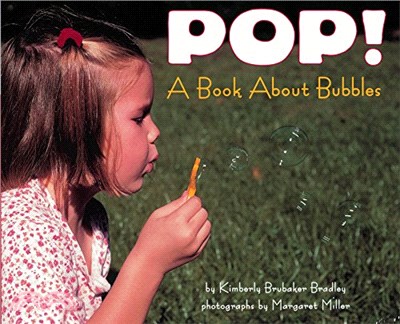
Bubbles What are bubbles made of? Why are they always round? Read and find out about the science behind soap bubbles, and learn why bubbles always go POP!
How can fish live in water? Why don’t they drown? The answer to this fishy question and more can be found in this latest addition to the Let’s-Read-and-Find-Out Science series. The book clearly explai
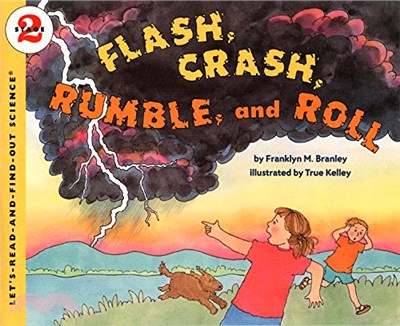
Did you know that lightning bolts can be over a mile long? Or that they may come from clouds that are ten miles high? Storms can be scary, but not if you know what causes them. Before the next thunderstorm, grab this book by veteran science team Franklyn Branley and True Kelley and learn what causes the flash, crash, rumble, and roll of thunderstorms!
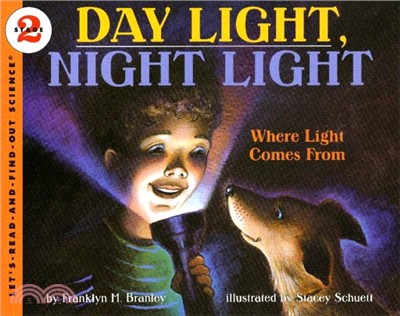
Moonlight is really sunlight!Did you know that the moon doesn't make its own light? Instead, it receives light from the sun and reflects it to us on the Earth. Read and find out about how the sun, the stars and light bulbs make light so we can see.Did you know that moonlight is really sunlight? The moon can't make its own light, so it receives light from the sun and then sends it to us here on the Earth.Any child who's ever wondered about the fascinating properties of light will want to read this classic science title. Readers will even learn how fast light can travel: from the moon to the Earth in less than three seconds! Veteran science author Franklyn M. Branley's lively text and Stacey Schuett's new illustrations combine fun facts and hands-on activities in this accessible introduction to the science of light. Did you know that moonlight is really sunlight? The moon can't make its own light, so it receives light from the sun and then sends it to us here on the Earth.Any child who's
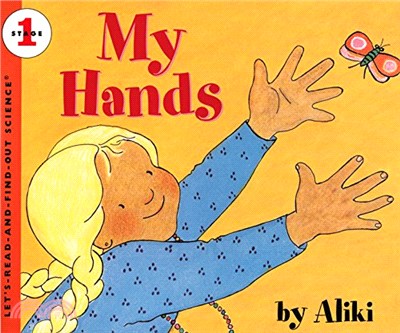
Hands Clapping, waving, pushing, pulling, scratching, digging, tickling--how many ways do you use your hands every day? Find out how important your hands are!
A compact introduction to ancient Greek culture and its lasting influence on the modern world cites the region's role in everything from mathematics and science to architecture and religion, in a refe
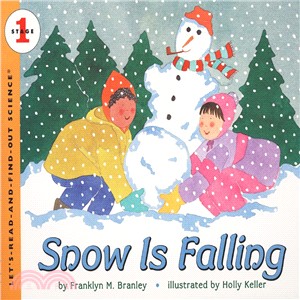
Snow is falling. Snow is wonderful - for sledding, for skiing, and for building snowmen. But did you know that snow can actually keep things warm? Find out how snow helpf plants, animals, and people to survive. But when a blizzard blows, watch out! The snow that is so useful can be dangerous too.Franklyn M. Branley and Holly Keller team up for a fun and colorful exploration of the world of snow, including experiments and activities for cold winter days. A Let's Read and Find Out Science book, for Stage 1.
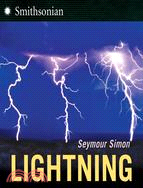
Lightning strikes the earth more than a hundred times every second. It's bright and dramatic, but it happens so fast that we rarely get a chance to see it. Now celebrated children's science writer Sey
Ever wonder what makes the wind blow? Or where clouds come from, or rain? Every day you experience weather, but why do you experience the weather you do? Award-winning science writer Seymour Simon and
In the 50 years since Sputnik's historic orbit kickstarted a race to the stars, spaceflight has moved from a speculative and experimental science to a staple of contemporary life. Space exploration h
From the Castro bathhouses to AZT and the denial of AIDS in South Africa, this sweeping look at AIDS covers the epidemic from all angles and across the world. Engel seamlessly weaves together science,
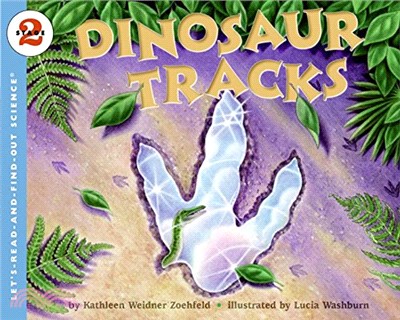
Millions of years ago, dinosaurs left their footprints all over the earth. With each discovery of a dinosaur footprint, ichnologists—scientists who study dinosaur tracks—learn more about these ancient
Thousands of animal species have vanished in the last two centuries, and many others, like the Amur leopard, are almost gone.Read and find out about the world's most fascinating endangered animals ...
Children love to explore. Each day brings new sights and sounds, new things to smell and taste and touch . Aliki's simple text and cheerful art in this enlarged edition introduce very young children t
How did those enormous dinosaur skeletons get inside the museum? Long ago, dinosaurs ruled the Earth. Then, suddenly, they died out. For thousands of years, no one knew these giant creatures had eve
Stegosaurus had spikes along its back. Triceratops had long, sharp horns. Tyrannosaurus rex was enormous. Millions and millions of years before the first people lived, these fascinating creatures rule
Stegosaurus had spikes along its back. Triceratops had long, sharp horns. Tyrannosaurus rex was enormous. Millions and millions of years before the first people lived, these fascinating creatures rule
When Mount Vesuvius blew up in A.D. 79, ash, cinders, and stones buried a great city below the mountain. Volcanoes are dramatic and powerful. There are thousands of them all over the earth. Franklyn
Some dinosaurs were big. How big? As long as four school buses in a row, as heavy as sixteen elephants.Some dinosaurs were small. How small? Read and find out!
Chirp! Chirp! Chirp! That's the sound crickets make. You've probably heard them chirp on a summer evening. But did you know that they make their chirping sounds by rubbing their wings together, and
Holly Keller has created vivacious new paintings for this favorite Reading Rainbow title about geology. Readers follow two enthusiastic rock hounds around the globe as they add to their collection. Al
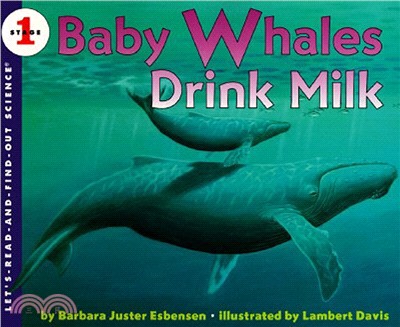
‘The title epitomizes Esbensen’s creative presentation of an important concept: how whales differ from the fish they seem to resemble and share characteristics with other mammals.… An excellent additi
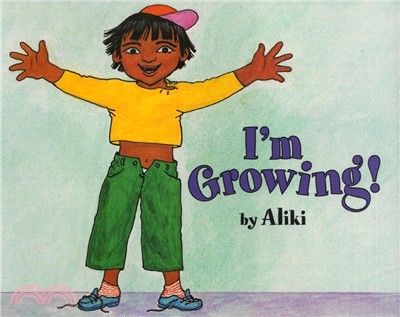
Look at me --I'm growing!With her trademark simple words and delightful pictures, Aliki explains how and why we grow. Our arms and legs, our hair and toenails, our muscles, bones, and skin all grow fr
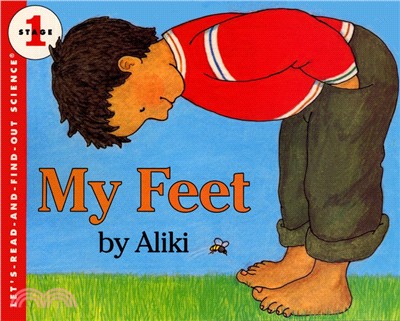
Walk, run, skip, march, kick. We use our feet all the time! With her trademark simple words and delightful pictures, Aliki explains the many ways our feet are important to us. Our feet hold us up, hel
SnakesSlithering, scaly, and sly -- snakes are fascinating reptiles. They are also hunters. Find out how snakes survive in the wild, and how they capture their prey.