People use smartphones to connect with their friends, take photos and videos, browse the internet, and so much more. Inside Smartphones introduces readers to the uses of smartphones, the hardware and
Hobbyists and tinkerers design new robots for fun, to race with each other, and even to engage in robot battles. Hobby and Competition Robots introduces readers to examples of these robots, the challe
Many people around the world don’t have clean water. Fog often goes unused by people. Fog nets can provide communities with clean, cheap water. Harvesting Fog for Water looks at the science behind the
Invasive species are taking over native plants’ habitats. Common control methods are dangerous or impractical. Some people are now turning to goats as a nontoxic and versatile way to deal with invasiv
Salt is the only rock people eat. The human body needs it to survive. But it does not need much. Your Body on Salt uncovers the nutritional benefits of salt, how it interacts with the body, and how to
People are adding carbon to the atmosphere. This causes Earth’s temperatures to warm. Scientists are developing fake trees that can capture and store carbon from the air. Capturing Carbon with Fake Tr
Some robots can dance, perform acrobatic stunts, and even have conversations with their owners. Entertainment Robots introduces readers to examples of these robots, the challenges faced by their desig
Today, robots are hard at work in hospitals around the world. Some simply help comfort patients or dispense medicine, while others are helping surgeons with complex operations. Medical Robots introduc
Surveillance is the close observation of a person or a group of people. Governments and organizations surveil people. Surveillance may help find and protect people from threats. But it can also be use
Sugar makes foods sweet. It is found naturally in many foods and is added to others. Too much sugar can cause health problems. Your Body on Sugar uncovers the nutritional benefits of sugar, how it int
The Dark Web is a part of the internet that is hidden and hard to access. It allows users to remain anonymous. Some people use the Dark Web because they fear for their safety. Others use the Dark Web
Dairy products come from a mammal’s milk. People around the world enjoy dairy. It has important nutrients. But some of the nutrients can be harmful in large amounts. And some people’s bodies cannot to
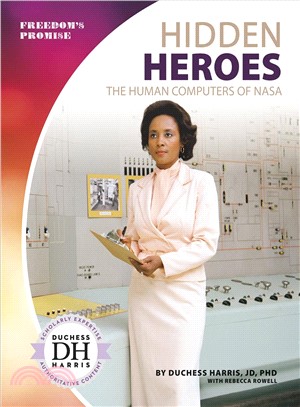
In the 1950s, NASA relied on human computers. These skilled women did calculations by hand. While astronauts and their accomplishments were well known, human computers often worked behind the scenes.
Motown music emerged in the United States in the 1960s. It launched the careers of many African American musicians. Motown music shaped culture and society during the American civil rights movement. T
President George Washington and his wife enslaved more than 150 people in the mid-1700s. In 1796, one of their slaves escaped. Her name was Oney Judge. Oney Judge: Escape from Slavery and the Presiden
In 1931, nine black teenagers were arrested in Alabama. The young men were accused of crimes they did not commit, including rape. This unjust arrest led to years of imprisonment and trials for the you
Barbara Jordan’s work as an educator, a lawyer, and a politician helped shape the American civil rights movement. Barbara Jordan: Politician and Civil Rights Leaderexplores her legacy. Easy-to-read te
After World War I, many African Americans found a welcoming home in Paris while the fight for civil rights continued in the United States. African American soldiers, writers, performers, and activists
In 1954, segregation in public schools was banned. But the road to desegregate American schools was long and difficult. Activist Daisy Bates helped nine black students integrate Little Rock Central Hi
Anthems, or songs of hope and praise, can help support communities through difficult times. Throughout the 1900s, the song “Lift Every Voice and Sing” evolved into an anthem for black people in the Un
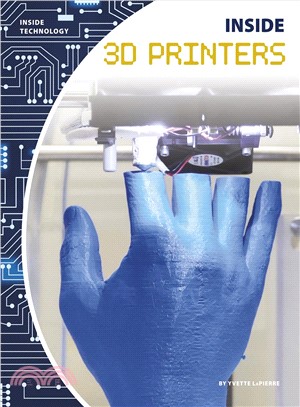
Today, people use 3D printers to build houses, airplane parts, food, and even living tissue. Inside 3D Printers introduces readers to the uses of 3D printers, the hardware and software that make 3D pr
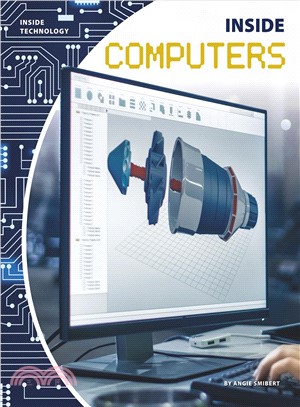
Some computers can do calculations in space, beat contestants at Jeopardy!, and create complex images and videos. Inside Computers introduces readers to the uses of computers, the hardware and softwar
Drones are hard at work in the sky and around the world. Some rescue swimmers in the ocean, while others deliver food and medical supplies to remote villages. Inside Dronesintroduces readers to the us
Today, GPS satellites orbit the earth. They send signals to GPS receivers in cars, smartphones, computers, and drones. Inside GPS introduces readers to the uses of GPS, the hardware and software that
Robotic aircraft soar over battlefields, robotic ground vehicles disarm bombs, and robotic submarines search for underwater threats. Military Robots introduces readers to examples of these robots, the
AT&T Stadium, home of the NFL’s Dallas Cowboys, is one of the newest and most advanced football stadiums in the country. Engineering AT&T Stadium discusses how the structure was designed, how workers
The Space Needle, a tower built for the 1962 World’s Fair, has become a famous landmark in Seattle, Washington. Engineering the Space Needle introduces readers to the designers and their inspirations,
The Mid-Atlantic region includes some of the most iconic and well-known places within the United States, such as the nation’s capital, Washington, DC. Exploring the Mid-Atlantic examines the features
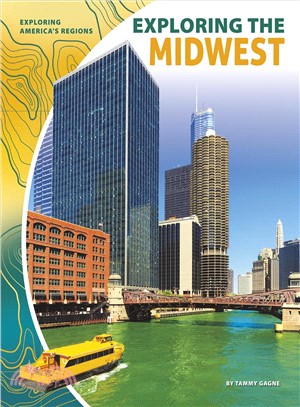
The Midwest region, also known as America’s Heartland, encompasses many of the nation’s major lakes and waterways. From rural areas to major cities such as Chicago, the Midwest is a region of varied l
The Southwest region of the United States encompasses vast canyons, high plateaus, sandy deserts, and the wide-open grasslands of the Great Plains. Exploring the Southwest introduces readers to the de
The West, the largest region in the United States, encompasses varied landscapes. It stretches across arid deserts, the Alaskan tundra, and the tropical Hawaiian islands. Exploring the West looks at t
The 2016 US presidential election introduced a new term to the media lexicon. The Fake News Phenomenon examines the spread of bogus news sources, the reasons they exist, and the difference between med
Every day throughout the world, people watch newscasts, read newspapers, and consume news online. But what goes into producing that news? How Journalists Work goes behind the scenes to give readers a
People throw away plastic every day. Lots of it ends up in the ocean. It can harm marine wildlife there. Scientists are developing technology that helps collect plastic from the ocean. Cleaning Up Pla
Many people enjoy eating meat. But livestock takes up a lot of land and resources. Bugs take less space, water, and food. They are also more nutritious than meat. Eating Bugs as Sustainable Food looks
People and farm animals make a lot of poop every day. Poop is often an untapped source for energy and fuel. Some people hope it will become popular as a sustainable energy source. Turning Poop Into Po
Computer networks allow people to easily share information. Organizations and entire cities rely on computer networks. Hackers can break into networks to disrupt systems or steal data. Hacking and oth
Many people store and share personal information online. This information is part of a person’s identity. Identity thieves can find and steal this information. Identity Theft explores how people can p
Most people around the world enjoy caffeine. This drug helps people feel awake. It can have some benefits, but it also has risks. Your Body on Caffeine uncovers the nutritional benefits of caffeine, i
Carbohydrates give the body energy. They are in many foods people eat each day. But some carbohydrates are healthier than others. Your Body on Carbohydrates uncovers the nutritional benefits of carboh