Laughing at the Devil is an invitation to see the world with a medieval visionary now known as Julian of Norwich, believed to be the first woman to have written a book in English. (We do not know her
Attending to the rich entanglements of scientific and critical theory, contributors to this issue scrutinize phenomena in nature to explore new territory in feminist science studies. With a special fo
Like China, Vietnam has one of the world’s fastest growing economies on account of its hybridized "market socialism" that combines elements of its official socialist system with free market capitalism
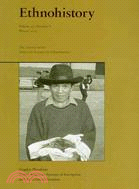
This special issue of Ethnohistory examines how Amerindian graphic codes interacted with alphabetic writing in the colonial polities of the Americas. Expanding on the common understanding of writing,
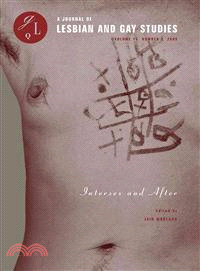
In this special issue of GLQ, experts from a variety of disciplines discuss the future of treatment for people with intersex conditions—those born with ambiguous genitalia—and consider wh
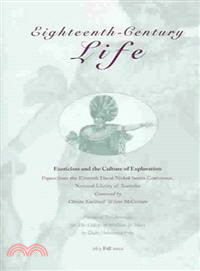
Historians use the phrase “the cult of the exotic” to describe the fascination with the foreign or strange that both led to and was intensified by the eighteenth century’s scientific and imperialistic
Terror and History brings together historians and leading scholars from around the world to examine, document, and reflect on the political and historical category of terror. Breaking with the traditi
The Uses of the Folk introduces a new way of understanding the relationship between artists and populations designated as "the folk" and the scholars who define them. The issue begins with the premise
In modern Japan, where the mechanisms of producing national consensus and social conformity operate with considerable force and efficacy, the democratic credentials of public life are a pressing quest
After the culture wars of the past two decades, a turn toward a more constructive and convivial social analysis and critique is occurring today. Along with such themes as cosmopolitanism and ethical p
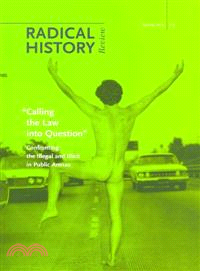
This special issue considers historical actors who have publicly tested what has been codified as illegal or cast as illicit, reflecting on how a critical and radical engagement with historical interp
This special issue of GLQ celebrates the twenty-fifth anniversary of the publication of Gayle Rubin’s groundbreaking essay, “Thinking Sex: Notes for a Radical Theory of the Politics of Sexuality.” Cre
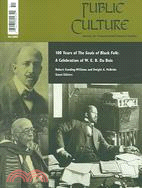
This special issue of Public Culture celebrates and considers the influence of W. E. B. Du Bois' The Souls of Black Folk during the last one hundred years. Featuring the work of a new generation of D
The contributors to Out Front take a hard look at the emergent relationship between sexual politics and the labor movement. With a fundamental focus on the relationship between class and social identi
Renato Rosaldo's new prose poetry collection shares his experiences and those of his group of twelve Mexican-American Tucson High School friends known as the Chasers as they grew up, graduated, an
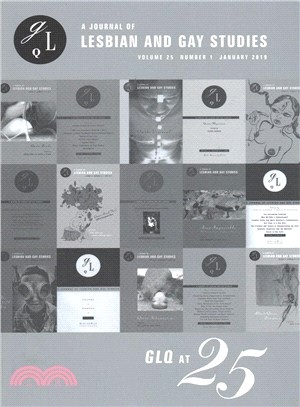
The journal GLQ: A Journal of Lesbian and Gay Studies is where queer theory has defined and transformed itself. On the occasion of the GLQ’s twenty-fifth anniversary, the editors, authors, and r
The conventional idea of the commons—a resource managed by the community that uses it—might appear anachronistic as global capitalism attempts to privatize and commodify social life. Against these tre
The contributors to this special issue examine the role successive colonialisms played in forging a distinct Taiwanese identity and the theoretical implications the Taiwanese experience of colonialism
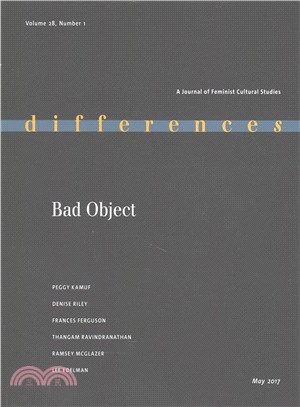
Before her death in 2001, Naomi Schor was a leading scholar in feminist and critical theory and a founding co-editor of differences: A Journal of Feminist Cultural Studies. This issue takes as its sta
In bringing together a geographically and temporally broad range of interdisciplinary historical scholarship, this issue of Radical History Review offers an expansive examination of gender, violence,
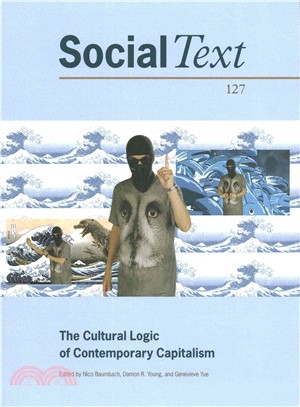
In 1984 Fredric Jameson wrote that “everything in our social life—from economic value and state power to practices and to the very structure of the psyche itself—can be said to have become ‘cultural’
Staging a much-needed conversation between two often-segregated fields, this issue addresses the promising future of queer and area studies as collaborative formations. Within queer studies, the turn
This issue theorizes what questions of value might contribute to our understanding of sound and music. Divesting sound and music from notions of intrinsic value, the contributors follow various avenue
From steamships to steam rooms and sweat lodges to sweatshops, processes of pleasures and desire have shaped the regulation and classification of bodies in a wide variety of colonial settings. On beac
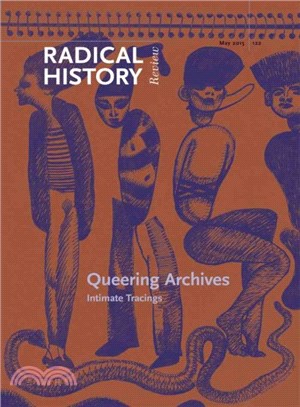
“Queering Archives: Intimate Tracings” is the second of two themed issues fromRadical History Review (numbers 120 and 122) that explore the ways in which the notion of the “queer archive” is increasin
Who gets to define what transgender is, or who is transgender? The very notion of a transgender population poses numerous political and technical challenges. How are trans people counted, by whom, and
This special issue offers a broad range of social and cultural insights into the history of French gastronomy. At a moment when French cuisine no longer dominates the world of fine dining, the history
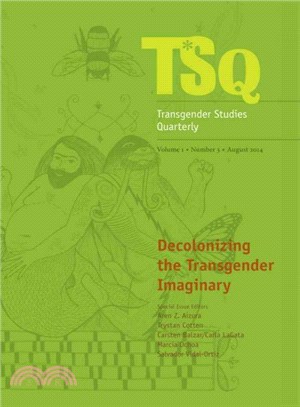
What is at stake in acknowledging transgender studies' Anglophone roots in the global North and West? What kinds of politics might emerge from challenging the assumption that biological sex—or the cat
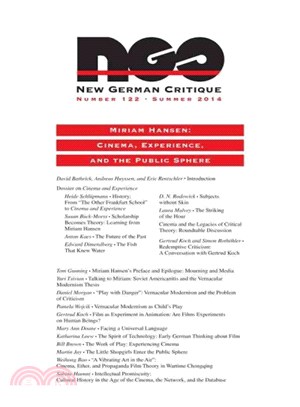
This issue is dedicated to the thought and writing of Miriam Hansen, whose contributions broke ground in film history, film theory, and the politics of mass culture and the public sphere. The collecti
The technological and intellectual impact of the digital humanities on the university is undeniable. Even as some observers hail the digital humanities as a savior of humanistic disciplines in crisis,
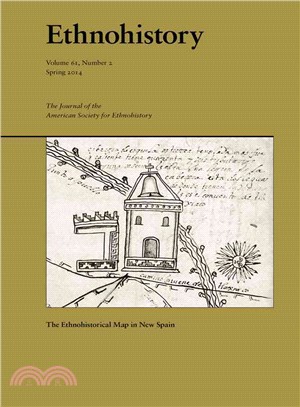
This special issue brings together a multidisciplinary group of scholars to examine the relationship between cartography and the expression of ethnicity in the Viceroyalty of New Spain from 1521 to 18
In recent years we have witnessed massive demonstrations of denial, refusal, and rejection exploding in one country after another. The squares of the world have become organizational focal points for
This issue follows the punk movement’s lingering aftereffects, investigating its unruly profligacy of meanings within music and popular culture and outside and beyond genre. The contributors track pun
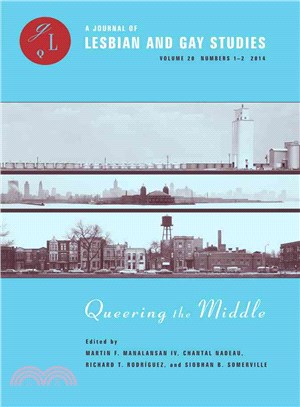
When imagined in relation to other regions of the United States, the Midwest is often positioned as the norm, the uncontested site of white American middle-class heteronormativity. This characterizati
Interrogating the totalizing perspectives on Chinese gender studies that typically treat China only in binary opposition to the West, “Other Genders, Other Sexualities” focuses on the dynamics of diff
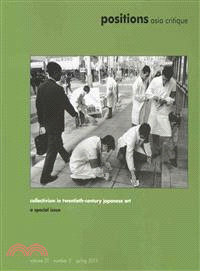
This special issue explores the significance of collectivism in modern and contemporary Japanese art. Japanese artists banded together throughout the twentieth century to work in collectives, reflecti
Throughout the summer of 2012, drought conditions in North America, Asia, and Africa raised worldwide concern over grain shortages and rising food prices. Meanwhile, catastrophic floods displaced thou
The visual arts operated as a touchstone for French philosopher Jean-Francois Lyotard, influencing his thinking on everything from epistemology to politics. Building on the recent publication of a bil
This special issue of Ethnohistory highlight new aspects of the use of Nahuatl as a lingua franca during the colonial period. The language of the Aztecs, Nahuatl was also spoken by mestizos, mulatos,
This special issue argues that our cultural moment marks a point of crisis and transition in the history of the novel. Discussing mostly twenty-first-century writers, including Michael Chabon, Vikram