The next few decades will see a profound energy transformation throughout the world. By the end of the century (and perhaps sooner), we will shift from fossil fuel dependence to rely primarily on rene
Cities are the world’s future. Today, more than half of the global population—3.7 billion people—are urban dwellers, and that number is expected to double by 2050. There is no question that cities are
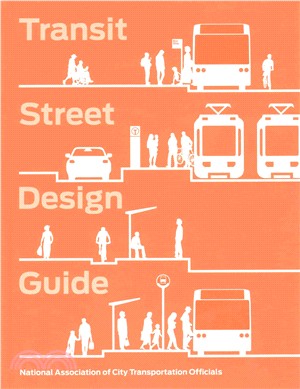
Transit and cities grow together. As cities work to become more compact, sustainable, and healthy, their work is paying dividends: in 2014, Americans took 10.8 billion trips on public transit, the hig
There exists a category of American cities in which the line between suburban and urban is almost impossible to locate. These suburban cities arose in the last half of twentieth-century America, based
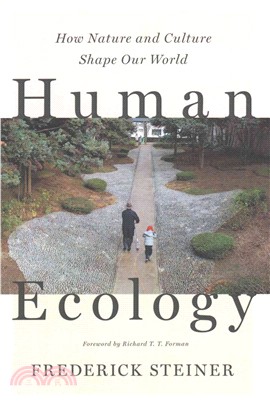
Humans have always been influenced by natural landscapes, and always will be—even as we create ever-larger cities and our developments fundamentally change the nature of the earth around us. InHuman E
How long should a leaf live? When should blueberries ripen? And what should a clever moose eat? Questions like these may seem simple or downright strange—yet they form the backbone of natural
During his three terms as mayor of Curitiba, Brazil in the 1970s and ‘80s, architect and urbanist Jaime Lerner transformed his city into a global model of the sustainable and livable community. From t
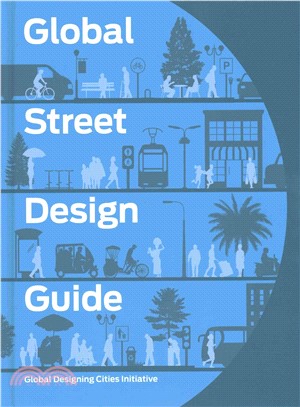
Each year 1.2 million people die from traffic fatalities, highlighting the need to design streets that offer safe and enticing travel choices for all people. Cities around the world are facing the sam
There has been a revolution in urban transportation over the past five years—set off by start-ups across the US and internationally. Sleek, legible mobility platforms are connecting people to cars, tr
In New Mexico's Gila Wilderness, 106 Mexican gray wolves may be some of the most monitored wildlife on the planet. Collared, microchipped, and transported by helicopter, the wolves are protected and c
What we make and buy is a major indicator of society’s collective priorities. Among twenty-four key trends,Vital Signs Volume 22 explores significant global patterns in production and consumption. The
What would it be like to live in a world with no predators roaming our landscapes? Would their elimination, which humans have sought with ever greater urgency in recent times, bring about a pastoral,
Google, Apple, Amazon, Uber: companies like these have come to embody innovation, efficiency, and success. How often is the environmental movement characterized in the same terms? Sadly, conservation
In 2011, adventurer and conservationist John Davis walked, cycled, skied, canoed, and kayaked on an epic 10-month, 7,600-mile journey that took him from the keys of Florida to a remote seashore in nor
From New York City's urban forest and farmland in Virginia to the vast Sonoran Desert of Arizona and riverside parks in Vancouver, Washington, green infrastructure is becoming a priority for cities, c
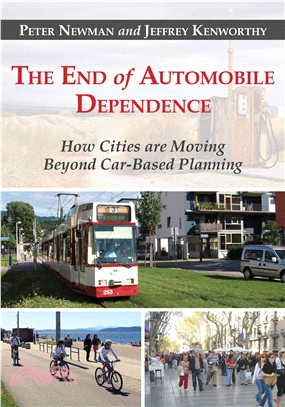
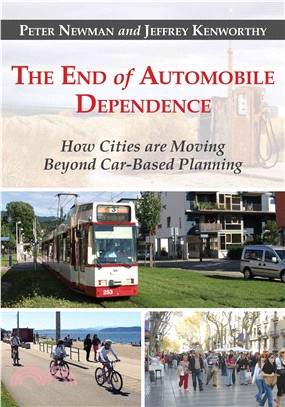
Cities will continue to accommodate the automobile, but when cities are built around them, the quality of human and natural life declines. Current trends show great promise for future urban mobility s
Cities will continue to accommodate the automobile, but when cities are built around them, the quality of human and natural life declines. Current trends show great promise for future urban mobility s
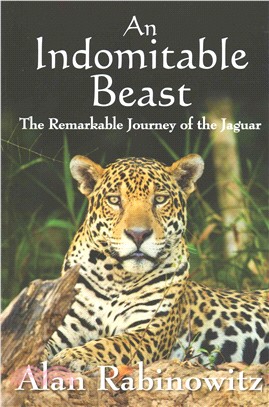
The jaguar is one of the most mysterious and least-known big cats of the world. The largest cat in the Americas, it has survived an onslaught of environmental and human threats partly because of an ev
As world population grows, and more people move to cities and suburbs, they place greater stress on the operating system of our whole planet. But urbanization and increasing densities also present our
As world population grows, and more people move to cities and suburbs, they place greater stress on the operating system of our whole planet. But urbanization and increasing densities also present our
The average parking space requires approximately 300 square feet of asphalt. That’s the size of a studio apartment in New York and enough room to hold 10 bicycles. Space devoted to parking in growing
In Roads Were Not Built for Cars, Carlton Reid reveals the pivotal—and largely unrecognized—role that bicyclists played in the development of modern roadways. Reid introduces readers to cycling person
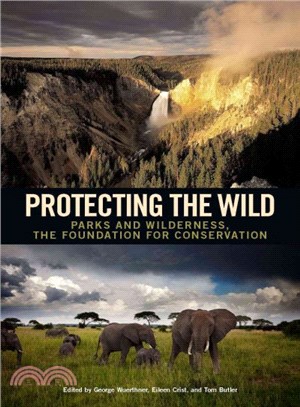
Protected natural areas have historically been the primary tool of conservationists to conserve land and wildlife. These parks and reserves are set apart to forever remain in contrast to those places
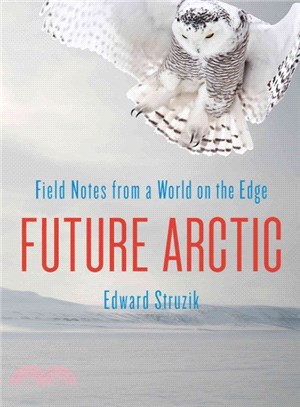
In one hundred years, or even fifty, the Arctic will look dramatically different than it does today. As polar ice retreats and animals and plants migrate northward, the arctic landscape is morphing in
In the race to feed the world’s seven billion people, we are at a standstill. Over the past century, we have developed increasingly potent and sophisticated pesticides, yet in 2014, the average percen
How can we plan and design stronger communities? From New Orleans to Galveston to the Jersey Shore, communities struck by natural disasters struggle to recover long after the first responders have lef
In the early 1970s, the environmental movement was underway. Overpopulation was recognized as a threat to human well-being, and scientists like Michael Soule believed there was a connection between an
Plum and pear trees shade park benches in Kamloops, British Columbia. Tomatoes and cucumbers burst forth from planters at City Hall in Provo, Utah. Strawberries and carrots flourish along the sunny si
Vital Signs Volume 21 is all about growth. From natural disasters to cars to organic farming, the two dozen trends examined here indicate both increasing pressure on natural resources and scaled up ef
Few industries in the U.S. are as stuck in the past as our utilities are. In the face of climate change and the need for energy security, a system that took more than a century to evolve must now be e
The jaguar is one of the most mysterious and least-known big cats of the world. The largest cat in the Americas, it has survived an onslaught of environmental and human threats partly because of an ev
Concern over climate change and the ongoing challenges of managing natural lands have made the field of ecological restoration a growing focus in the agendas of national and international conservation
Project Planning and Management for Ecological Restoration addresses a problem that is the reason many current restoration projects are not as effective or successful as they could be: a lack of under
What would it mean to live in cities designed to foster feelings of connectedness to the ocean? As coastal cities begin planning for climate change and rising sea levels, author Timothy Beatley sees o
Climate change is no laughing matter—but maybe it should be. The topic is so critical that everyone, from students to policy-makers to voters, needs a quick and easy guide to the basics. The Cartoon I
The 2007 bridge collapse in Minneapolis-St. Paul quickly became symbolic of the debilitated interstate highway system?and of what many critics see as America’s disinvestment in its infrastructure. The
Is it time to embrace the so-called “Anthropocene”—the age of human dominion—and to abandon tried-and-true conservation tools such as parks and wilderness areas? Is the future of Earth to be fully dom
What would it be like to live in a world with no predators roaming our landscapes? Would their elimination, which humans have sought with ever greater urgency in recent times, bring about a pastoral,
Produced biennially, The World's Water is the most comprehensive and up-to-to date source of information and analysis on freshwater resources. Each new volume examines critical global trends and offer
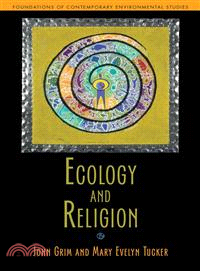
From the Psalms in the Bible to sacred rivers in Hinduism, the natural world has been integral to the world’s religions. John Grim and Mary Evelyn Tucker argue that today’s growing environmental chall