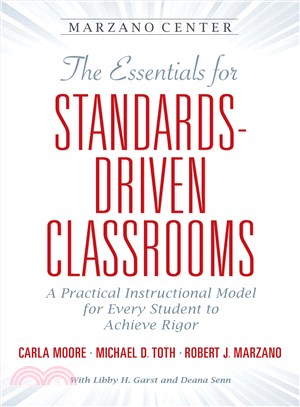
To reach true academic rigor, learners need high levels of both cognitive complexity and student autonomy. Moving them in this direction, however, requires teachers to become skilled at using research
Schools define themselves by state metrics. But when we dig down into the numbers, questions remain: Do good schools get positive numbers despite good instruction, or because of it? Do lower performin
Improving education in America is hard, because it doesn't have an education system...It has 13,491 of them. Dr. Dylan Wiliam is the world's foremost authority on formative assessment and has worked f
Students have an endless capacity of positive energy that can be harnessed into deeper understanding. This notion lies at the heart of Ron Nash’s Power of We, and through a powerful combination of fir
When teaching literacy, the challenge is knowing how to move students beyond phonetic interpretation of words and rote memory recall to higher-level thinking. Good readers must possess the skills to p
With 35 years of successful turnaround leadership, author Lillie Jessie provides a goldmine of life-changing tips that impact teachers, students, and parents. Some of the principles it highlights incl
Practical, effective, time-saving STEM strategies that are proven in the classroom. Teachers of all grade levels are increasingly moving into STEM (Science, Technology, Engineering, and Mathematics) i
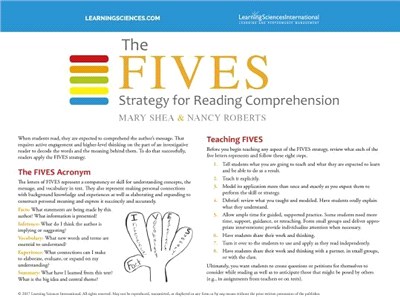
To reach full comprehension of content and meet rigorous standards, learners need to go far beyond just reading the words. They must deepen their understanding by asking questions about information, p
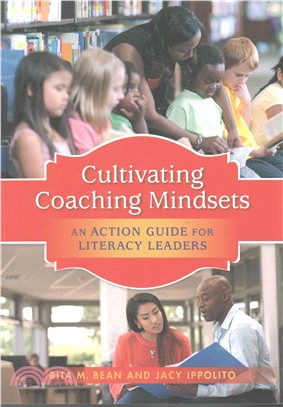
A Joint Publication with the International Literacy Association Literacy leaders are working to provide highly effective, rigorous teaching and learning as they work with families, communities, indivi
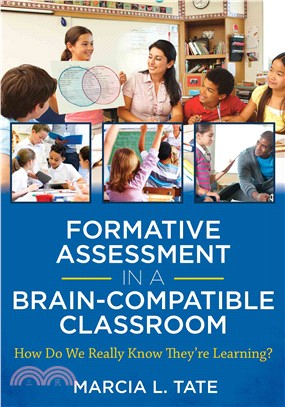
How can students knock the top off any test? That’s one of the 14 key questions that Dr. Marcia L. Tate answers in Formative Assessment in a Brain-Compatible Classroom: How Do We Really Know They're L
Effective leaders inspire growth and improved performance in those they lead.The United States workforce will change significantly in the coming decades. Today’s students need teachers to prepare them
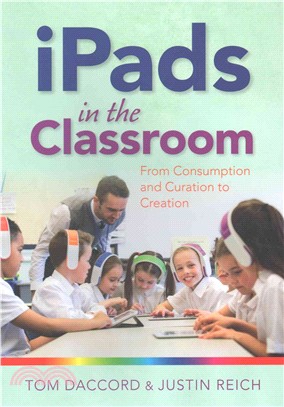
Many educators see iPads only as game stations or replacements for notebooks and textbooks. In iPads in the Classroom, authors Tom Daccord and Justin Reich explain how iPads present a tremendous oppor
Technology is transforming the human brain. Students are engaging with new information in different ways, so educators must shift their instructional practice accordingly. In Engaging the Rewired Brai
In Leading School Improvement: A Framework for Action, author Joseph Murphy pulls together 14 practitioner-based articles to present a cohesive narrative about the unique and critical role that leader
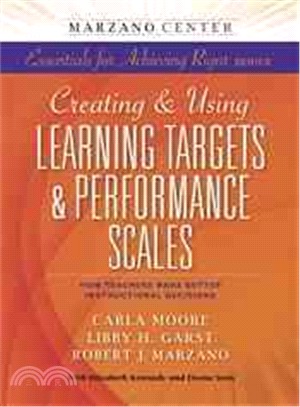
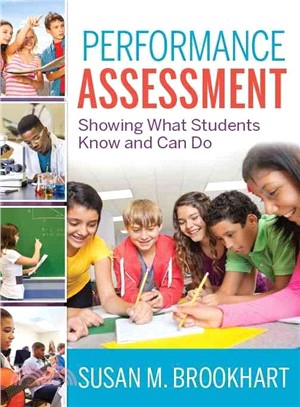
It's not just about what students know. What can students do with their knowledge? Tests show us what learners know, but well-designed performance assessment goes much further. It shows students the t
Academic standards call for increased rigor, but simply raising complexity is not enough. Students must also be able to examine similarities and differences within the critical content they are learni
Do your students know which content is most important to learn? Academic standards call for increased rigor, but simply raising complexity is not enough. Students must also take responsibility for the
The traditional "lecture, discuss, test" instructional format doesn't close achievement gaps; student engagement does. When students are meaningfully involved and emotionally invested in con