Redrawing French Empire in Comics by Mark McKinney investigates how comics have represented the colonization and liberation of Algeria and Indochina. It focuses on the conquest and colonization of Alg
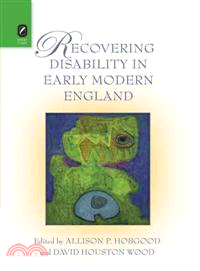
While early modern selfhood has been explored during the last two decades via a series of historical identity studies involving class, race and ethnicity, and gender and sexuality, until very recently
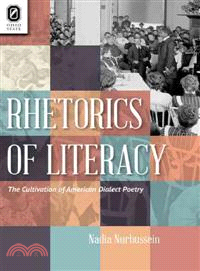
Rhetorics of Literacy: The Cultivation of American Dialect Poetry explores the production and reception of dialect poetry in late nineteenth- and early twentieth-century America and investigates the g
Witches, Goddesses and Angry Spirits: The Politics of Spiritual Liberation in African Diaspora Women’s Fiction explores African diaspora religious practices as vehicles for Africana women’s spiritual
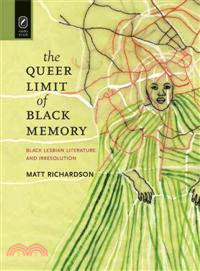
The Queer Limit of Black Memory: Black Lesbian Literature and Irresolution identifies a new archive of Black women’s literature that has heretofore been on the margins of literary scholarship and Afri
For Geoffrey Chaucer and many of his contemporaries, the literary life of England began in ancient Troy. In Translating Troy: Provincial Politics in Alliterative Romance, Alex Muellerexplores Middle E
Throughout the Middle Ages, witnessing was a crucial way religious and legal “truths” were understood and produced. Religious and secular officials alike harnessed the power of testimony to assert doc
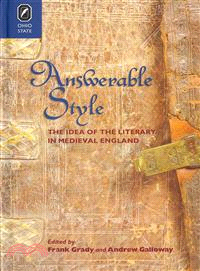
Renewed interest in aesthetics, in form, and the idea of the literary has led some scholars to announce the arrival of a “new formalism,” but the provisional histories of such a critical rebirth tend
Dreaming America: Popular Front Ideals and Aesthetics in Children’s Plays of the Federal Theatre Project by Leslie Elaine Frost traces how the tumultuous politics of the late 1930s shaped the stories
Sundays at the Priory, the salons that George Eliot and George Henry Lewes conducted throughout the winter seasons during their later years in the 1870s, have generally earned descriptions as at once
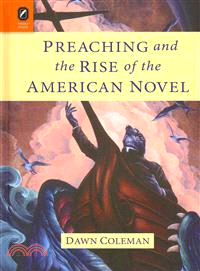
Preaching and the Rise of the American Novel by Dawn Coleman recovers a crucial moment in the history of the intimate yet often contentious relationship between religion and literature. Coleman’s book
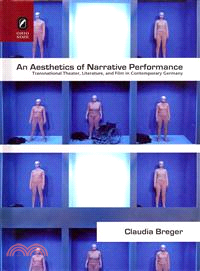
The contemporary moment has been described in terms of both a “narrative” and a “performative turn,” but the overlap between these two has largely escaped attention. This curious gap is explained by t
19th-century Ireland and Britain existed as "alter-nations" in the realm of political writings and cultural production, as the nationhood of each was conceived materially and discursively in dialectic
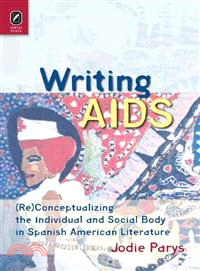
Writing AIDS: (Re)Conceptualizing the Individual and Social Body in Spanish American Literature by Jodie Parys examines the ways in which AIDS has pervaded the personal and social imaginings of the bo
Based on new readings of some of the least-read texts by some of the best-known scribes of later medieval England, Scribal Authorship and the Writing of History in Medieval England reconceptualizes me
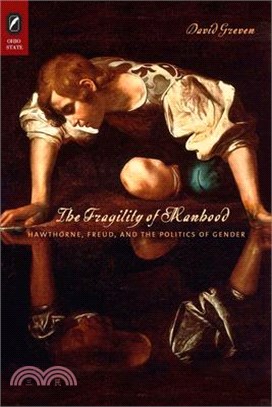
Merging psychoanalytic and queer theory perspectives, The Fragility of Manhood: Hawthorne, Freud, and the Politics of Gender reframes Nathaniel Hawthorne’s work as a critique of the normative construc
While John Winthrop might have famously uttered the phrase “city upon a hill” on the way to Massachusetts, the strands of millennialism and exceptionalism that remain so central to U.S. political disc
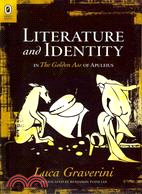
Literature and Identity in TheGolden Ass of Apuleius is the first English translation of a work published in 2007 as Le Metamorfosi di Apuleio: Letteratura e identita, by Luca Graverini. The second-ce
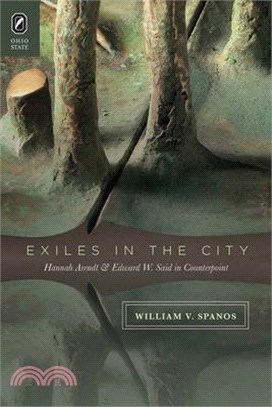
Exiles in the City: Hannah Arendt and Edward W. Said in Counterpoint, by William V. Spanos, explores the affiliative relationship between Arendt’s and Said’s thought, not simply their mutual emphasis
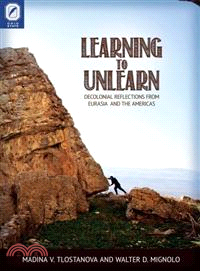
Learning to Unlearn: Decolonial Reflections from Eurasia and the Americas is a complex, multisided rethinking of the epistemic matrix of Western modernity and coloniality from the position of border e
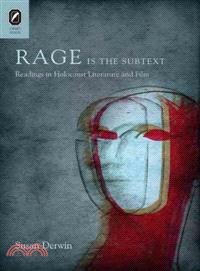
Rage Is the Subtext charts the internal shifts of Holocaust survivors who tell their stories of suffering, loss, and endurance. Susan Derwin locates the healing effect of literary testimony in its cap
As the eighteenth century is entirely bereft of narratives written by African women, one might assume that these women had little to no impact on British literature and the national psyche of the peri
?Hemingway and the Black Renaissance, edited by Gary Edward Holcomb and Charles Scruggs, explores a conspicuously overlooked topic: Hemingway’s wide-ranging influence on writers from the Harlem Renais
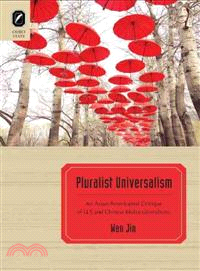
?Pluralist Universalism: An Asian Americanist Critique of U.S. and Chinese Multiculturalisms by Wen Jin is an extended comparison of U.S. and Chinese multiculturalisms during the post–Cold War era. He
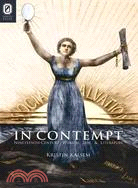
?In Contempt: Nineteenth-Century Women, Law, and Literature, by Kristin Kalsem, explores the legal advocacy performed by nineteenth-century women writers in publications of nonfiction and fiction, as
In The Vitality of Allegory Gary Johnson argues that the rumors of allegory’s death have been greatly exaggerated. Surveying the broad landscape of modern and contemporary narrative fiction, including
?In the first book of its kind, Joseph Fruscione examines the contentious relationship of two titans of American modernism—William Faulkner and Ernest Hemingway. At times, each voiced a shared literar
Narrative theorists have lavished attention on beginnings and endings, but they have too often neglected the middle of narratives. In this groundbreaking collection of essays, Narrative Middles: Navig
Over the course of the nineteenth century in both Europe and the United States, the state usurped the traditional authority of the church in regulating sexual expression and behavior. In the same cent
The fourteen essays that comprise Collections in Context: The Organization of Knowledge and Community in Europe interrogate questions posed by French, Flemish, English, and Italian collections of all
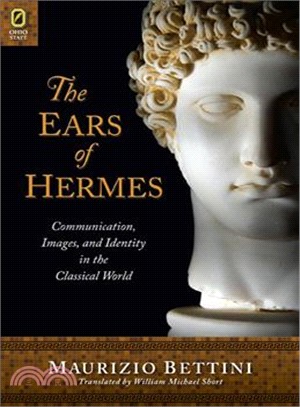
?Though in many respects similar to us moderns, the Greeks and Romans often conceived things differently than we do. The cultural inheritance we have received from them can therefore open our eyes to
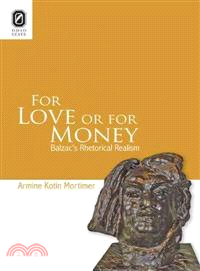
?Everyone agrees that Balzac is a realistic writer, but what do we actually mean when we say that? This book examines the richness and variety of Balzac’s approaches to realism, employing several diff
Understanding Tolstoy recreates Tolstoy’s lifelong artistic and spiritual journey, taking readers to the core of the writer’s world through nuanced close readings of his major novels and novellas. And
Through the use of several iconic early American authors (Anne Bradstreet, James Kirkpatrick, Benjamin Franklin, and Edgar Allan Poe), Jim Egan’s Oriental Shadows: The Presence of the East i
Form and Reform: Reading across the Fifteenth Century challenges the idea of any definitive late medieval moment and explores instead the provocatively diverse, notably untidy, and very rich literary
“Mandelstam had no teacher,” marveled Anna Akhmatova, reflecting on his early maturity and singularity. But Mandelstam himself spoke of the need and even duty to study a poet’s literary roots. So how
?How to Make a Human: Animals and Violence in the Middle Ages tracks human attempts to cordon humans off from other life through a wide range of medieval texts and practices, including encyclopedias,
?Raimund E. Goerler, acclaimed archivist and historian, has written the definitive guidebook to the history of The Ohio State University, one of the world's largest universities and a prominent land-g
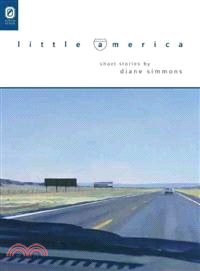
Little America is for anyone who has ever considered just getting in the car and driving away. Here the ribbon of Western road is a metaphor for the heart’s strange longings, providing hard, so
?This volume takes a new approach to the study of late eighteenth-century British actresses by examining the significance of leading actresses’ autobiographical memoirs, portraits, and theatrical role